The Claim
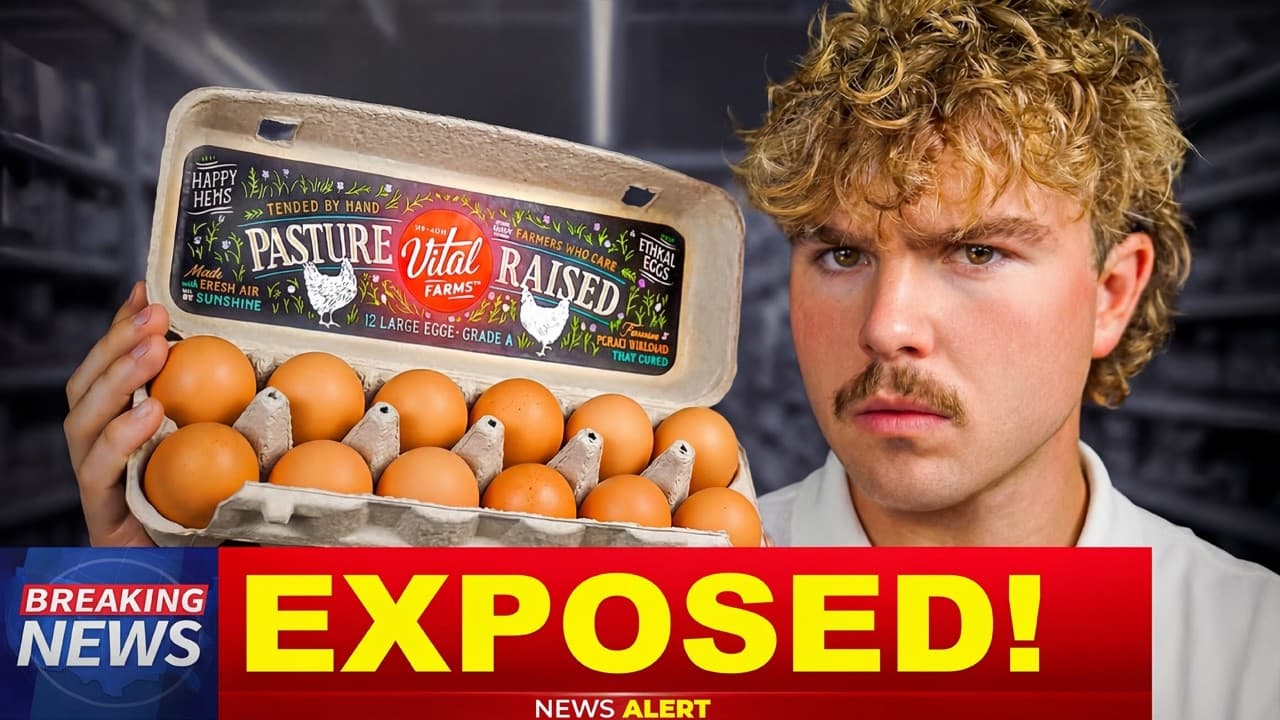
A naturally dark orange yolk, resulting from a chicken's diet of grasses, insects, and forage, is nutritionally distinct from a dark yolk produced by a diet of corn, soy, and added pigments, with the latter not indicating superior nutritional quality despite similar appearance.
What the research says
Not yet evaluated
We are still looking at what the research says.
These are independent scores, not a percentage. Higher-grade studies count more, so a single strong opposing study can outweigh several weaker ones.
If a chicken eats bugs and grass, its eggs have dark orange yolks that are naturally nutritious. But if the yolk is dark just because the chicken was fed corn, soy, or food with color added, that doesn’t mean the egg is healthier.
See the scientific wording
A naturally dark orange yolk results from a chicken's diet of grasses, insects, and forage, whereas a dark yolk from corn, soy, and added pigments does not indicate superior nutritional quality.
Score breakdown, mechanism chain, raw evidence, ideal studies needed
Not medical advice. For informational purposes only. Always consult a qualified healthcare professional before making health decisions.