The Claim
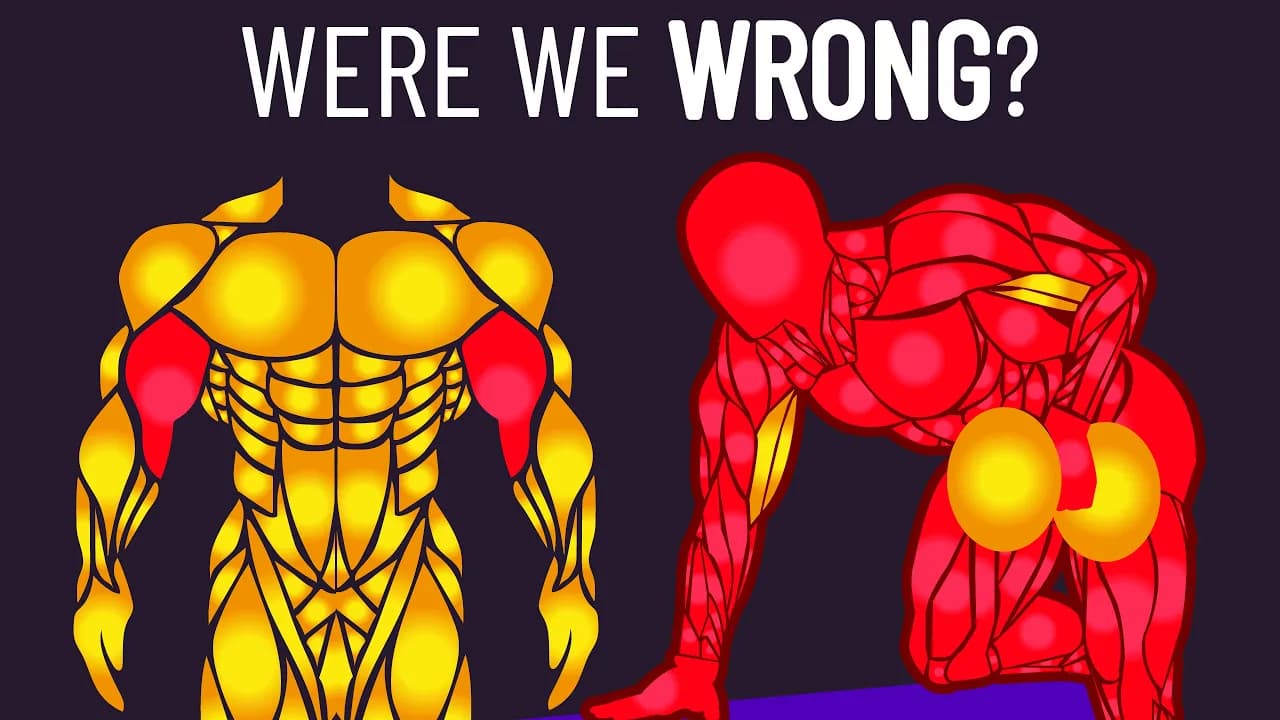
Acute muscle swelling (pump) induced by resistance exercise does not serve as a reliable predictor of long-term muscle hypertrophy, as evidenced by discordant results between acute swelling responses and longitudinal muscle growth outcomes across different muscle regions.
What the research says
Supports is higher
Support is ahead, but a single strong opposing study can change this.
These are independent scores, not a percentage. Higher-grade studies count more, so a single strong opposing study can outweigh several weaker ones.
When you lift weights and your muscles get bigger temporarily (that's called the 'pump'), that doesn't actually tell you if your muscles will grow bigger for real over time. Scientists found that muscles that swell a lot right after exercise don't always end up growing the most.
See the scientific wording
Acute muscle swelling (pump) is not a reliable predictor of long-term muscle hypertrophy, as demonstrated by discordant results between swelling and growth at certain muscle regions.
Muscles grow bigger over time when they are repeatedly stretched and contracted under load, which triggers chemical signals that tell the muscle to build more protein. The puffing up during exercise is just fluid entering the muscle temporarily and does not cause this growth. Even when muscles swell the same amount, they can grow differently depending on how much tension and metabolic stress they experience.
What the research says
1 studyWhen you lift weights and your muscles puff up right after (the 'pump'), that doesn’t mean they’ll get bigger over time — this study found that even when muscles swelled the same amount, they grew the same amount regardless of how the workout was done.
Related videos
Score breakdown, mechanism chain, raw evidence, ideal studies needed & 1 supporting studies
Not medical advice. For informational purposes only. Always consult a qualified healthcare professional before making health decisions.