The Claim
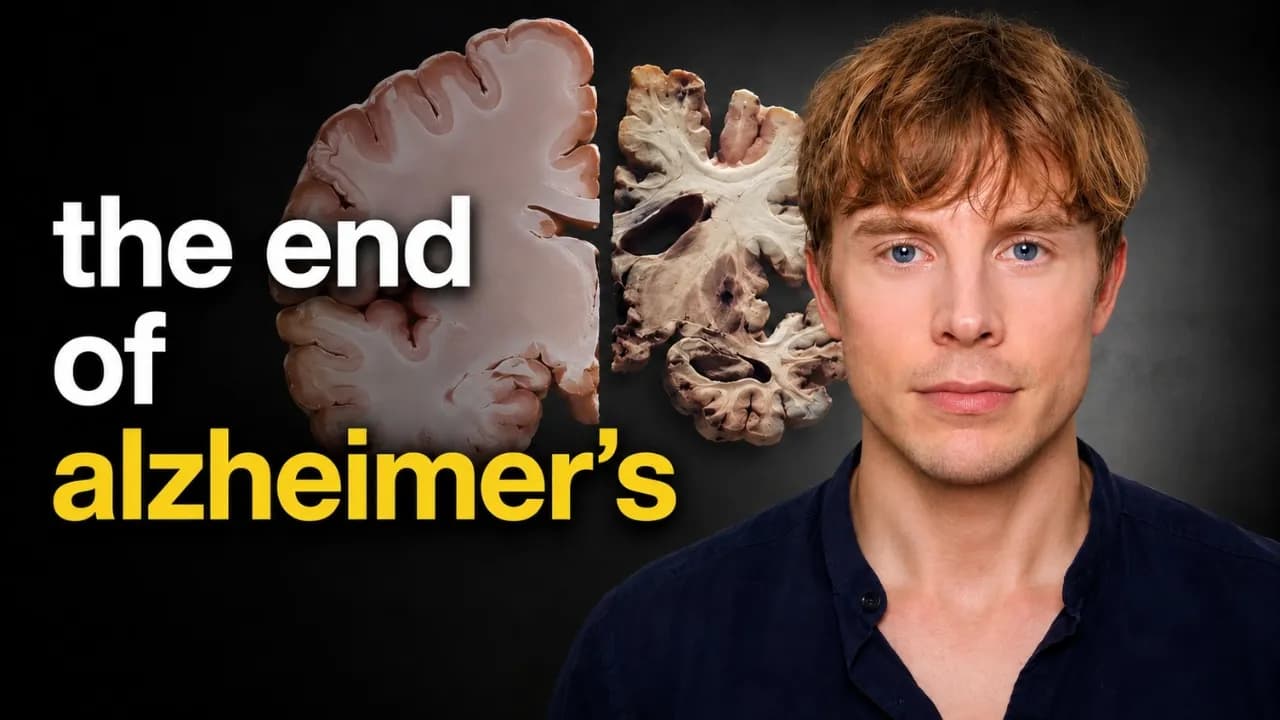
Amyloid-beta accumulation in the brain occurs approximately 20 years before the onset of clinical symptoms of Alzheimer's disease.
What the research says
Supports is higher
Support is ahead, but a single strong opposing study can change this.
These are independent scores, not a percentage. Higher-grade studies count more, so a single strong opposing study can outweigh several weaker ones.
Amyloid-beta builds up in the brain about 20 years before a person shows signs of Alzheimer's disease.
See the scientific wording
Amyloid-beta accumulation in the brain precedes clinical symptoms of Alzheimer's disease by approximately 20 years.
A harmful protein called amyloid-beta builds up in the brain for about 20 years before any memory problems appear. This buildup stresses brain cells and causes another protein, tau, to misfold and spread through key brain networks. As tau accumulates, it disrupts communication between brain regions, especially those involved in memory and emotion. The brain initially tries to compensate by increasing activity in these networks, but over time, the damage overwhelms the system, leading to cell failure and clinical symptoms.
What the research says
4 studiesThis study shows that the sticky amyloid protein builds up in the brain many years before people start forgetting things or showing signs of Alzheimer's — which matches the idea that it starts about 20 years earlier.
This study found that some older adults have amyloid plaques in their brains but still think and remember normally — meaning the plaques build up long before memory problems show up, which matches the claim.
Study: Neuropsychiatric Profiles and Cerebral Amyloid Burden in Adults without Dementia
This study found that people who haven’t been diagnosed with Alzheimer’s yet but are worried about their memory or whose caregivers notice they’re anxious or sad often have high levels of amyloid-beta in their brains—meaning the disease process starts many years before symptoms show up.
This study found that people who will later get Alzheimer’s start building up a harmful protein called amyloid-beta in their brains about 20 years before they show any memory problems — like a silent warning sign that starts long before symptoms appear.
Score breakdown, mechanism chain, raw evidence, ideal studies needed & 4 supporting studies
Not medical advice. For informational purposes only. Always consult a qualified healthcare professional before making health decisions.