The Claim
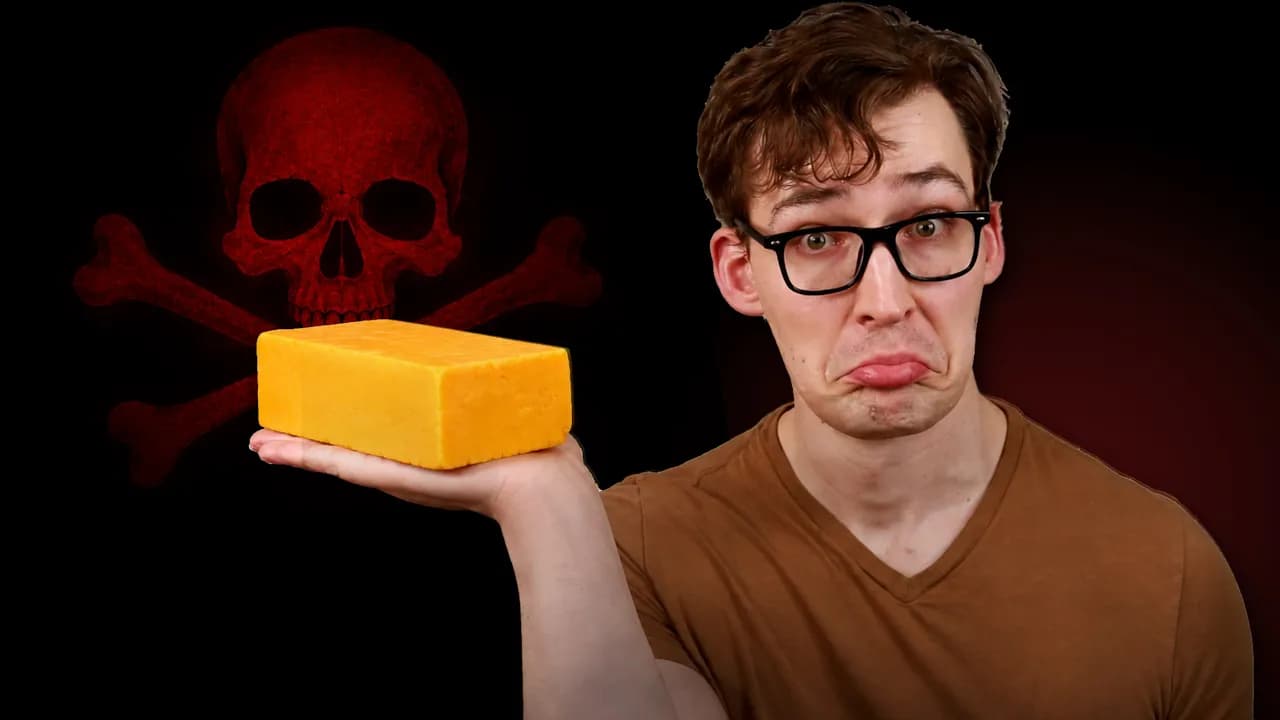
Cheese consumption is associated with a reduced risk of dementia.
What the research says
Supports is higher
Support is ahead, but a single strong opposing study can change this.
These are independent scores, not a percentage. Higher-grade studies count more, so a single strong opposing study can outweigh several weaker ones.
People who eat cheese have a lower incidence of dementia compared to those who do not.
See the scientific wording
Cheese consumption is associated with reduced risk of dementia.
Cheese provides vitamin K2, which enters the brain and activates a protein called Gas6 that protects nerve cells from dying and reduces brain inflammation. It also helps build and maintain the fatty insulation around nerve fibers, keeping brain signals strong and fast, which prevents memory loss and thinking problems.
What the research says
6 studiesStudy: Dairy Consumption, Lactase Persistence, and Mortality Risk in a Cohort From Southern Sweden
People who ate cheese every day were less likely to die during the study than those who didn’t, while people who drank a lot of milk were more likely to die. This suggests cheese might be good for long-term health, which could include protecting the brain.
People who eat cheese regularly were found to be less likely to develop dementia, according to a big review of many studies. Eating about an ounce of cheese a day was linked to a 19% lower risk.
Study: High- and Low-Fat Dairy Consumption and Long-Term Risk of Dementia
People who ate at least a small slice of full-fat cheese every day were less likely to develop dementia over 25 years, according to this study. Other dairy like milk or low-fat cheese didn’t show the same benefit.
This study found that people who ate a lot of cheese were less likely to die from stroke, which is a type of brain injury that can lead to dementia. So while it doesn’t prove cheese prevents dementia, it hints that cheese might help protect the brain in a related way.
Related videos
Score breakdown, mechanism chain, raw evidence, ideal studies needed & 6 supporting studies
Not medical advice. For informational purposes only. Always consult a qualified healthcare professional before making health decisions.