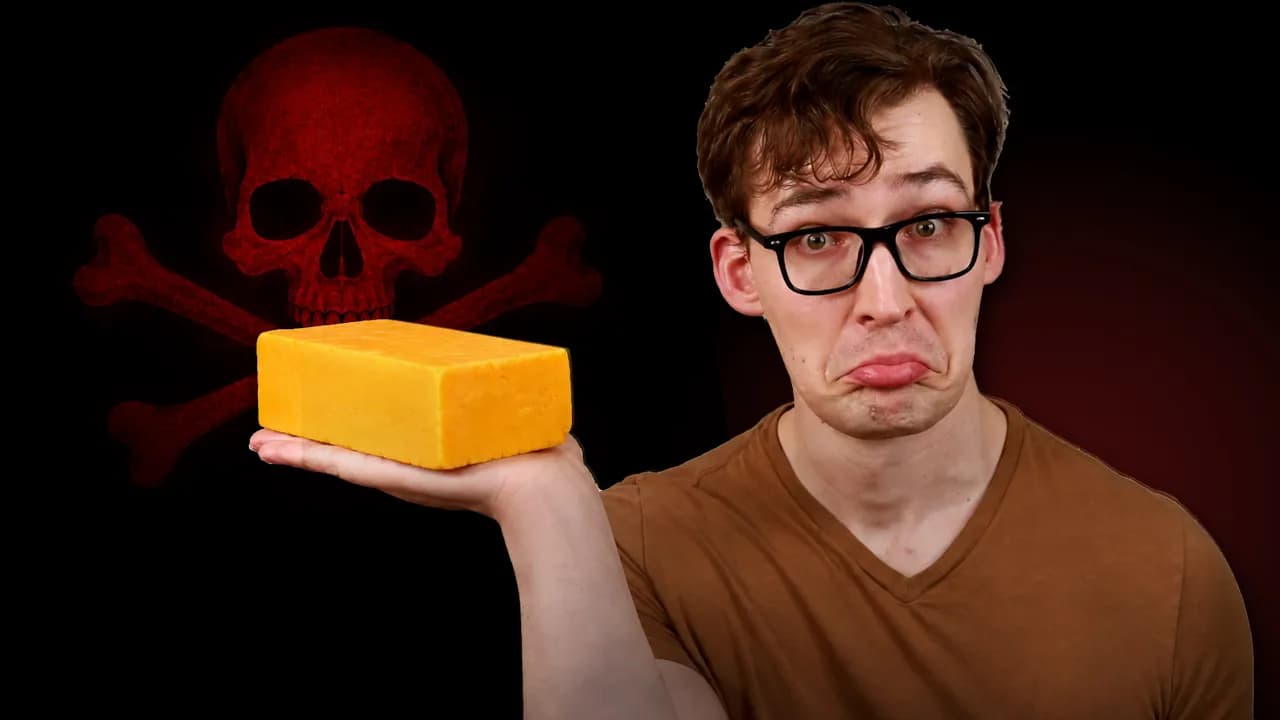
Eating cheese, regardless of how much, does not increase the risk of dying from any cause.
See the scientific wording
Cheese consumption is not associated with increased all-cause mortality at any intake level.
Correlational — new studies may shift this
Observational5 good-quality studies link this claim to the outcome, but causation is not established.
What the research says
5 studies reviewedSupporting
(5)Eating a small amount of cheese every day doesn't seem to make people more likely to die from any cause — and might even help a little. The study found no danger, even at higher amounts.
People who ate more cheese in this study were actually less likely to die from any cause, even those who ate a lot. So cheese doesn’t seem to make people die sooner.
Study: Dairy Consumption, Lactase Persistence, and Mortality Risk in a Cohort From Southern Sweden
The study found that people who ate cheese were less likely to die over time, even if they ate a lot of it. Unlike milk, cheese didn’t raise the risk of death — it might even help you live longer.
Contradicting
(0)No contradicting studies found yet
That doesn't mean it's settled — it just means no study has tested the opposite.
Quality-weighted scoring: we follow the GRADE framework — each study is rated High, Moderate, Low, or Very Low based on study design, methodology rigor, and risk of bias. A single high-quality RCT can outweigh several weaker observational studies.
Scores reflect study quality, not just count.
Cheese contains compounds that stop calcium from building up in blood vessels, reduce inflammation in the body, improve how the gut and liver handle fats and sugars, and protect brain cells. These effects prevent heart disease, stroke, diabetes, and dementia, which are the main reasons people die early.
Score breakdown, mechanism chain, raw evidence, ideal studies needed & 5 supporting studies
Related videos
How Fit Body Science checks a claim
- 1
We isolate the claim
Health advice from videos, articles and studies is broken down into single, testable claims.
- 2
We find the research
Each claim is matched against peer-reviewed studies, with every source cited by DOI.
- 3
We grade the evidence
Studies are scored on methodology, statistical rigor, transparency and publication quality.
The fitness and health internet is full of confident claims. We check them against real research.
Every claim on this site is traced back to peer-reviewed studies, scored on methodology and reporting quality, and given a verdict you can audit yourself — sources, DOIs and all.
- Full evidence breakdown and mechanism chains
- Ask our AI anything about a claim or its studies
- Get notified when new research changes a verdict