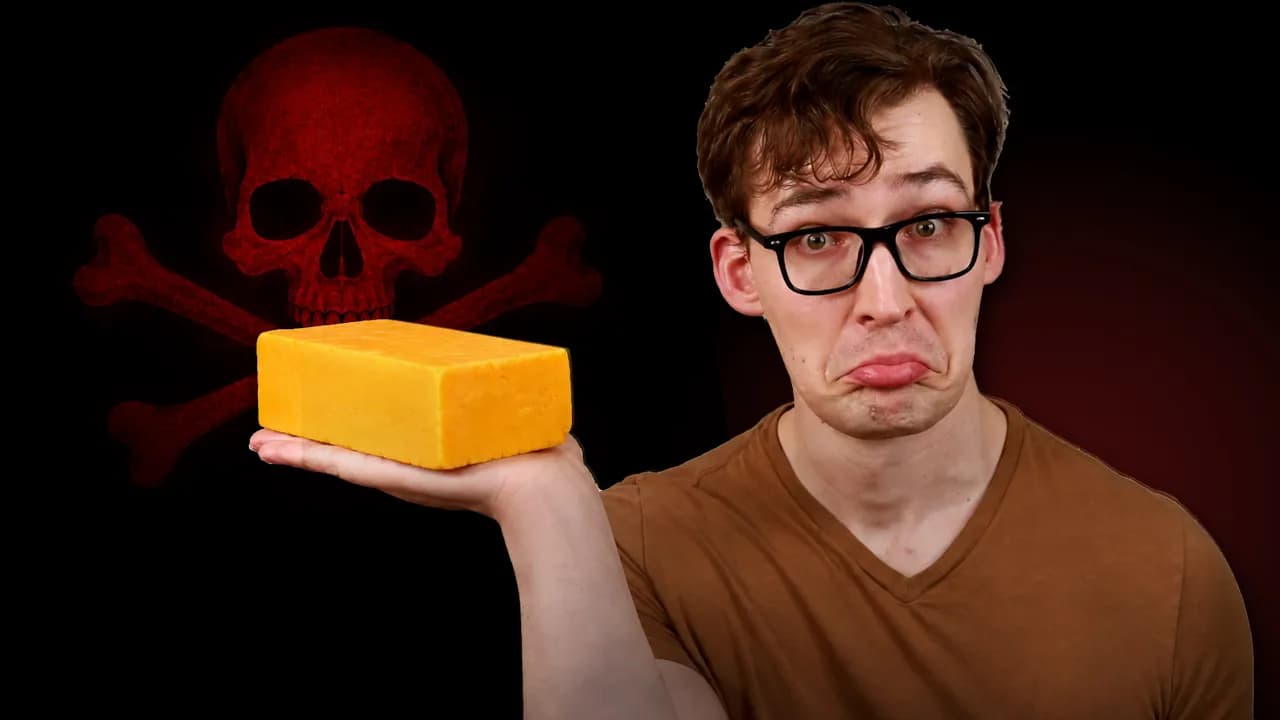
People who eat cheese do not have lower rates of death from cancer compared to those who eat less cheese.
See the scientific wording
Cheese consumption is not associated with reduced cancer mortality.
Correlational — new studies may shift this
Observational6 good-quality studies link this claim to the outcome, but causation is not established.
What the research says
6 studies reviewedSupporting (6)
Systematic Review With Meta-AnalysisMeta-analysis2023
The study looked at lots of people over time and found that eating cheese doesn't seem to lower the chance of dying from cancer.
Cohort StudyHuman2017
The study looked at what people ate and who died of cancer over 11 years, and found that eating cheese didn’t make people any less likely to die from cancer.
Dairy Consumption, Lactase Persistence, and Mortality Risk in a Cohort From Southern Sweden
Cohort StudyHuman2021
People who ate more cheese were less likely to die overall, which suggests cheese probably doesn’t make people more likely to die from cancer — and might even help.
Contradicting (0)
No contradicting studies found yet
That doesn't mean it's settled — it just means no study has tested the opposite.
Quality-weighted scoring: we follow the GRADE framework — each study is rated High, Moderate, Low, or Very Low based on study design, methodology rigor, and risk of bias. A single high-quality RCT can outweigh several weaker observational studies.
Scores reflect study quality, not just count.
Eating cheese does not change how fast cancer cells grow or how the body removes substances that cause cancer, so it does not lower the chance of dying from cancer.
Score breakdown, mechanism chain, raw evidence, ideal studies needed & 6 supporting studies
Related videos
How Fit Body Science checks a claim
- 1
We isolate the claim
Health advice from videos, articles and studies is broken down into single, testable claims.
- 2
We find the research
Each claim is matched against peer-reviewed studies, with every source cited by DOI.
- 3
We grade the evidence
Studies are scored on methodology, statistical rigor, transparency and publication quality.
The fitness and health internet is full of confident claims. We check them against real research.
Every claim on this site is traced back to peer-reviewed studies, scored on methodology and reporting quality, and given a verdict you can audit yourself — sources, DOIs and all.
- Full evidence breakdown and mechanism chains
- Ask our AI anything about a claim or its studies
- Get notified when new research changes a verdict