The Claim
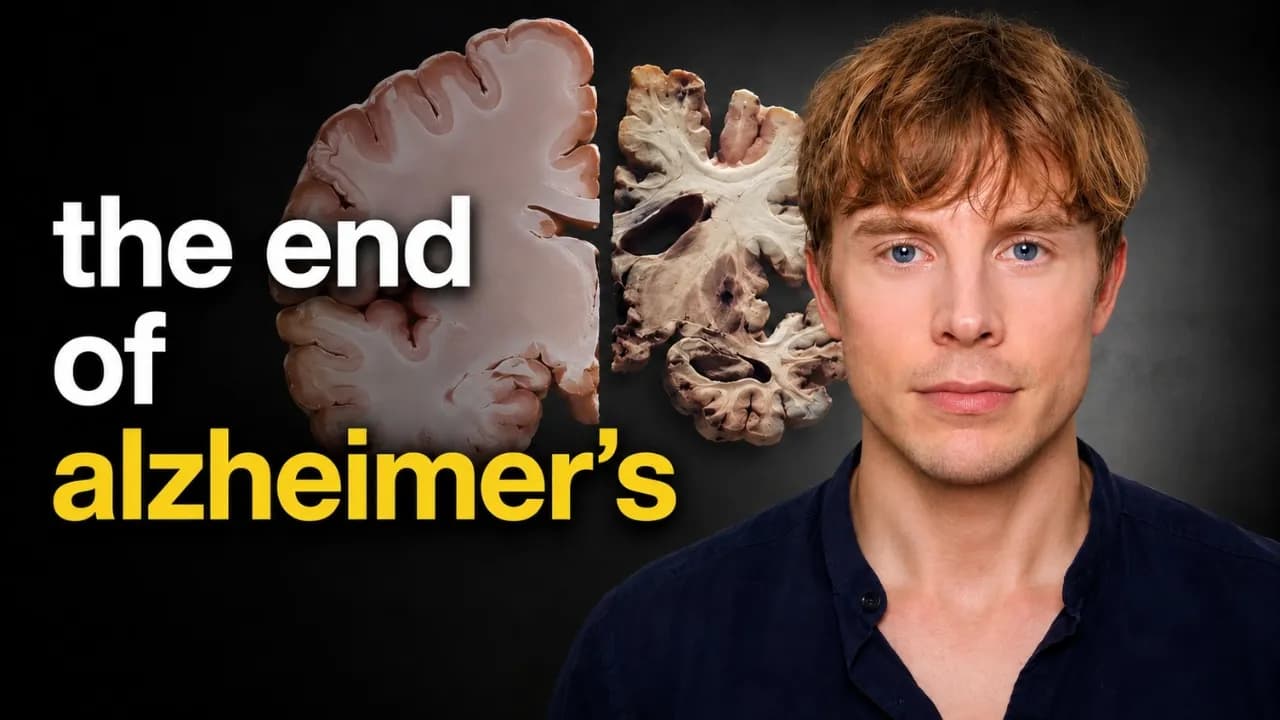
Cortical thinning and hippocampal atrophy are detectable by MRI three years before the onset of clinical symptoms of Alzheimer's disease.
What the research says
Supports is higher
Support is ahead, but a single strong opposing study can change this.
These are independent scores, not a percentage. Higher-grade studies count more, so a single strong opposing study can outweigh several weaker ones.
MRI scans can detect shrinkage in the brain's cortex and hippocampus three years before a person shows any signs of Alzheimer's disease.
See the scientific wording
Cortical thinning and hippocampal atrophy are detectable by MRI three years before clinical symptoms of Alzheimer's disease manifest.
Abnormal tau proteins clump together inside nerve cells in the memory center of the brain, killing the cells and causing the tissue to shrink. This shrinkage shows up on MRI scans years before a person starts having memory problems. As the damage spreads, other brain areas also lose tissue, which is visible on MRI before symptoms appear.
What the research says
3 studiesStudy: Disease stage-specific atrophy markers in Alzheimer’s disease
MRI scans can spot tiny shrinkage in key brain areas like the hippocampus and cortex up to three years before people start showing memory problems, even if the earliest shrinkage happens in a nearby area called the amygdala.
Scientists used MRI scans to look at people's brains before they showed signs of Alzheimer's and found that the memory areas of the brain were already shrinking three years earlier—this means MRI can spot the disease before symptoms start.
MRI scans can show the brain shrinking in areas linked to memory and speech long before people start forgetting things or getting confused. This study found that these changes start as early as your 30s or 40s, even if you still feel fine.
Score breakdown, mechanism chain, raw evidence, ideal studies needed & 3 supporting studies
Not medical advice. For informational purposes only. Always consult a qualified healthcare professional before making health decisions.