The Claim
There is no definitive interaction between rest interval duration and the volume-hypertrophy plateau point in human resistance training.
What the research says
Roughly balanced
Support and challenge are close. The picture may shift as more studies come in.
These are independent scores, not a percentage. Higher-grade studies count more, so a single strong opposing study can outweigh several weaker ones.
The amount of time between sets during weight training does not definitively change the point at which increasing workout volume no longer leads to more muscle growth.
See the scientific wording
Current evidence does not support a definitive interaction between rest interval duration and the volume-hypertrophy plateau point.
When muscles are worked with enough total weight and repetitions, the force and burn from the exercise trigger chemical signals inside muscle cells that tell them to build more protein, making the muscles thicker over time. How long you rest between sets doesn't change this process as long as the total weight lifted stays the same.
What the research says
3 studiesThis study found that how long you rest between sets doesn’t change how much your muscles grow — what matters most is how much total work you do. So, resting longer or shorter doesn’t shift the point where more workouts stop giving you more muscle.
When people lift weights, taking longer breaks between sets doesn’t make you grow more muscle if you’re doing the same total amount of work—what matters most is how much you lift overall, not how long you rest.
Study: Effects of Rest Interval Length on Muscle Hypertrophy in Amateur Bodybuilders
This study found that taking longer breaks between sets helps people build more muscle, because they can do more total work. This means rest time does matter — it’s not true that we don’t know if it affects muscle growth.
Related videos
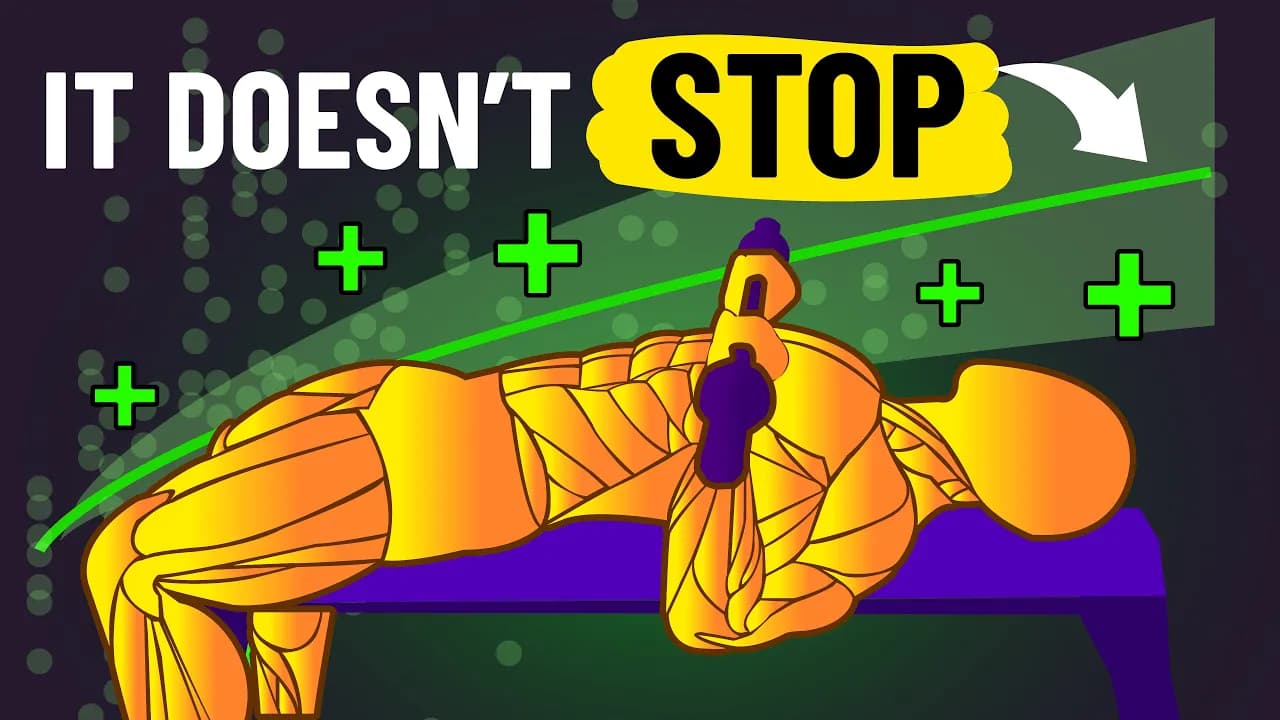
Score breakdown, mechanism chain, raw evidence, ideal studies needed & 3 supporting studies
Not medical advice. For informational purposes only. Always consult a qualified healthcare professional before making health decisions.