The Claim
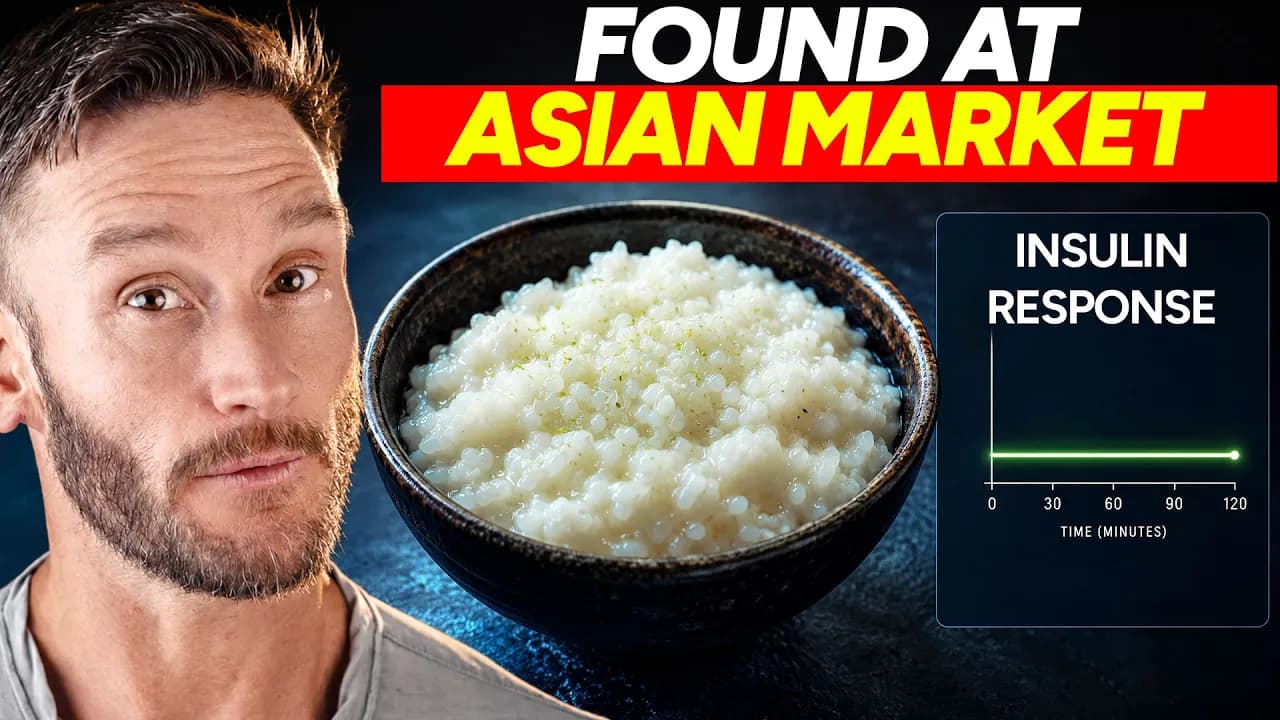
Different starch architectures in white rice cause markedly different postprandial glucose and insulin responses in humans, even when macronutrient composition is identical.
What the research says
Supports is higher
Support is ahead, but a single strong opposing study can change this.
These are independent scores, not a percentage. Higher-grade studies count more, so a single strong opposing study can outweigh several weaker ones.
White rice with different starch structures leads to different rises in blood glucose and insulin after eating, even when the total amount of carbohydrates, protein, and fat is the same.
See the scientific wording
Different starch architectures in white rice result in markedly different postprandial glucose and insulin responses despite identical macronutrient composition.
The way starch is arranged inside rice grains determines how quickly digestive enzymes can break it down. When starch is tightly packed, crystalline, or trapped inside intact plant cells, enzymes cannot reach it easily. This slows the release of glucose into the intestine, which means less glucose enters the bloodstream at once, leading to smaller spikes in blood sugar and insulin.
What the research says
6 studiesSome kinds of white rice, even with the same calories and carbs, make your blood sugar rise less because of how their starch is structured—like if it’s more stringy, less cooked, or in bigger chunks. The study proved this happens.
Even though both types of rice have the same carbs, protein, and fat, the special kind of rice called Koshinokaori makes your blood sugar rise less after eating because its starch is structured differently and digests slower.
Even if two bowls of white rice have the same carbs, protein, and fat, one that’s been frozen for weeks causes a much smaller blood sugar spike than fresh rice because its starch structure changes, making it harder for the body to digest quickly.
Some types of white rice are harder for your body to digest, so they don’t spike your blood sugar and insulin as much as others—even if they have the same calories and carbs. This study found that eating one type of rice (RD43) lowered blood sugar and insulin levels more than another type (Taiken9).
Related videos
Score breakdown, mechanism chain, raw evidence, ideal studies needed & 6 supporting studies
Not medical advice. For informational purposes only. Always consult a qualified healthcare professional before making health decisions.