The Claim
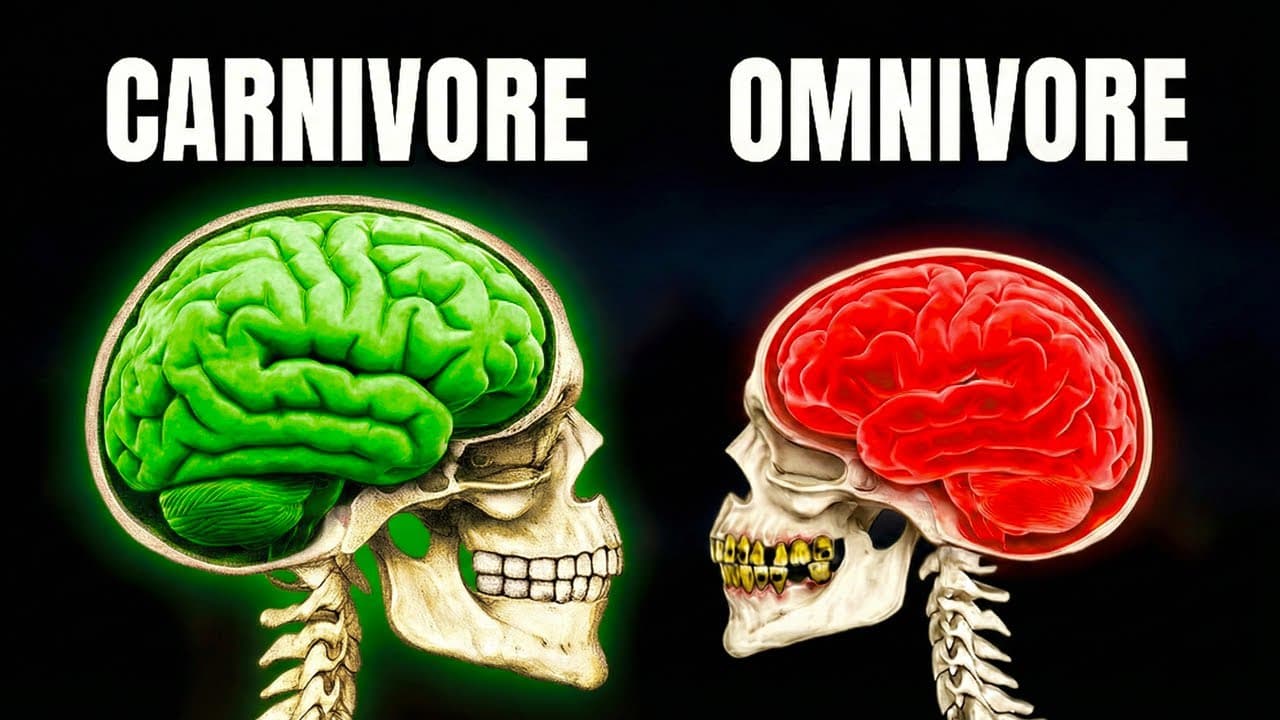
Human brain composition depends on the presence of preformed long-chain omega-3 fatty acids (C20–C22), as these cannot be synthesized in sufficient quantities from plant-derived precursors.
What the research says
Supports is higher
Support is ahead, but a single strong opposing study can change this.
These are independent scores, not a percentage. Higher-grade studies count more, so a single strong opposing study can outweigh several weaker ones.
The human brain requires specific long-chain omega-3 fatty acids found in animal sources, and the body cannot make enough of them from plant-based fats alone.
See the scientific wording
Human brain composition requires preformed long-chain omega-3 fatty acids (C20–C22), which are not efficiently synthesized from plant-derived precursors.
The human brain needs a specific fat called DHA to build its cells, but the body cannot make enough of it from plant fats like flaxseed oil. The liver can turn some plant fats into DHA, but the process is too slow and inefficient, especially in the final steps. The brain itself cannot make DHA at all, so it depends entirely on the liver sending it preformed DHA. When the liver doesn't produce enough, the brain cannot get what it needs.
What the research says
3 studiesStudy: Intrauterine fatty acid accretion rates in human brain: implications for fatty acid requirements.
The study shows that a baby's growing brain grabs special fats called DHA from the mom during pregnancy, which means the body can't make enough of these fats on its own from plants like flaxseeds.
The study found that even when mice ate plant oils that should turn into brain-boosting omega-3s, their brains didn’t get much of the key fatty acid (DHA). This means our bodies can’t make enough of it from plants alone—we need it from fish or other animal sources.
Score breakdown, mechanism chain, raw evidence, ideal studies needed & 3 supporting studies
Not medical advice. For informational purposes only. Always consult a qualified healthcare professional before making health decisions.