The Claim
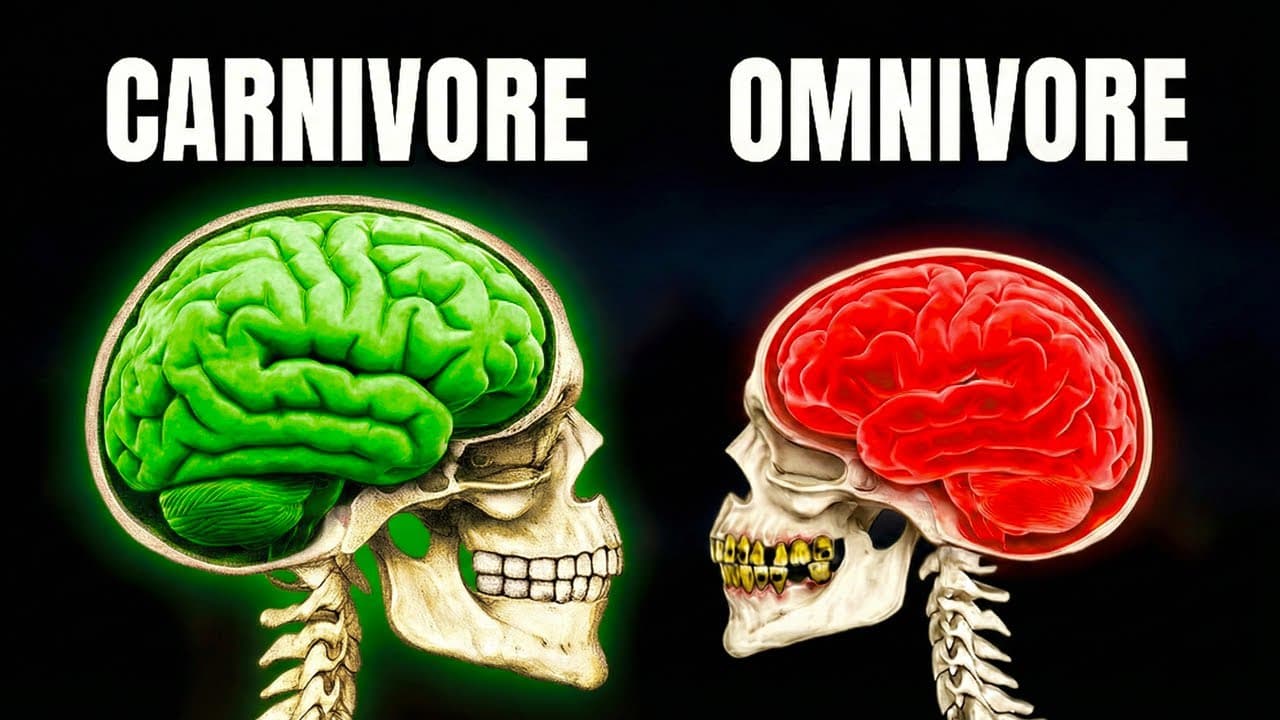
Human gastric pH is highly acidic and matches the gastric pH of carnivorous species to inhibit bacterial proliferation in meat-based diets.
What the research says
Not yet evaluated
We are still looking at what the research says.
These are independent scores, not a percentage. Higher-grade studies count more, so a single strong opposing study can outweigh several weaker ones.
Human stomach acid is as acidic as that of meat-eating animals, and this acidity prevents bacteria from growing in meat consumed in the diet.
See the scientific wording
Human gastric pH is highly acidic, matching that of carnivorous species, to inhibit bacterial proliferation in meat-based diets.
The stomach produces strong acid that kills most bacteria in food, especially meat, preventing them from reaching the intestines. Some bacteria survive by neutralizing acid around them, protecting their cells with thick walls, or hiding in clusters, but the acid still blocks most from causing infection.
What the research says
1 studyHuman stomach acid is super strong—strong enough to kill most germs that come in with food, especially meat—just like in meat-eating animals. Some tough bacteria can survive, but that doesn’t mean the acid isn’t doing its job.
Score breakdown, mechanism chain, raw evidence, ideal studies needed & 1 supporting studies
Not medical advice. For informational purposes only. Always consult a qualified healthcare professional before making health decisions.