The Claim
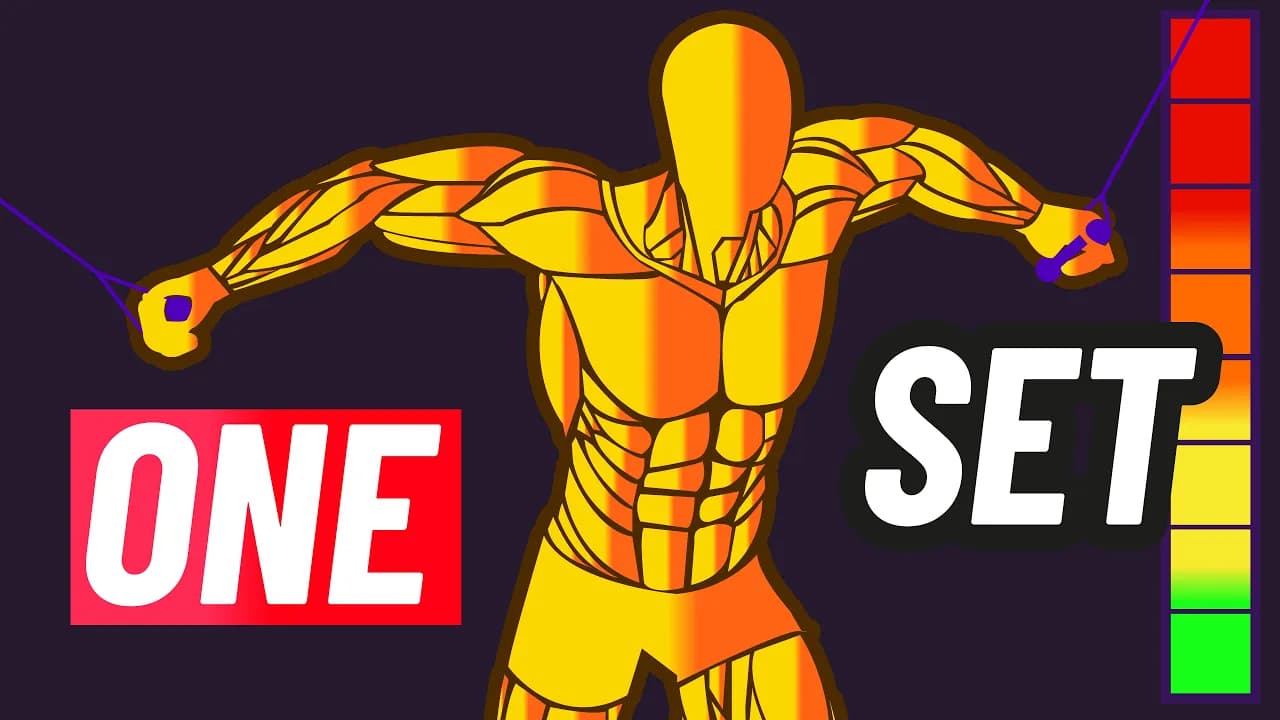
Low-volume resistance training, defined as one set per exercise, can effectively stimulate muscle hypertrophy in trained individuals, suggesting it is a time-efficient strategy for muscle growth.
What the research says
Supports is higher
Support is ahead, but a single strong opposing study can change this.
These are independent scores, not a percentage. Higher-grade studies count more, so a single strong opposing study can outweigh several weaker ones.
Doing just one set of each exercise can still help build muscle, even if you're already fit — and it saves time.
See the scientific wording
Low-volume resistance training (e.g., one set per exercise) can effectively stimulate muscle hypertrophy, even in trained individuals, making it a time-efficient option.
When muscles are worked to fatigue under resistance, the physical stretch and buildup of metabolic byproducts trigger molecular signals that turn on protein building and activate helper cells around muscle fibers. These signals increase the production of muscle proteins, while the helper cells prepare the muscle environment for growth, leading to thicker muscle fibers even with minimal sets.
What the research says
5 studiesEven if you're already fit, doing just one set of an exercise can still make your muscles bigger — at least for some people. This study shows that one set works for many older adults, so it's a quick way to build muscle without spending hours at the gym.
Even if you're already fit, doing just one tough set of exercises with lighter weights can still make your muscles bigger — just like lifting heavy weights, but it takes less time.
The study found that doing just one set of an exercise works about as well as doing three sets for building chest muscle in beginners. But we don’t know if it works the same way for people who are already fit.
The study found that doing just one set of an exercise works about as well as doing three sets for building chest muscle in beginners. This supports the idea that short workouts can still build muscle.
Related videos
Score breakdown, mechanism chain, raw evidence, ideal studies needed & 5 supporting studies
Not medical advice. For informational purposes only. Always consult a qualified healthcare professional before making health decisions.