The Claim
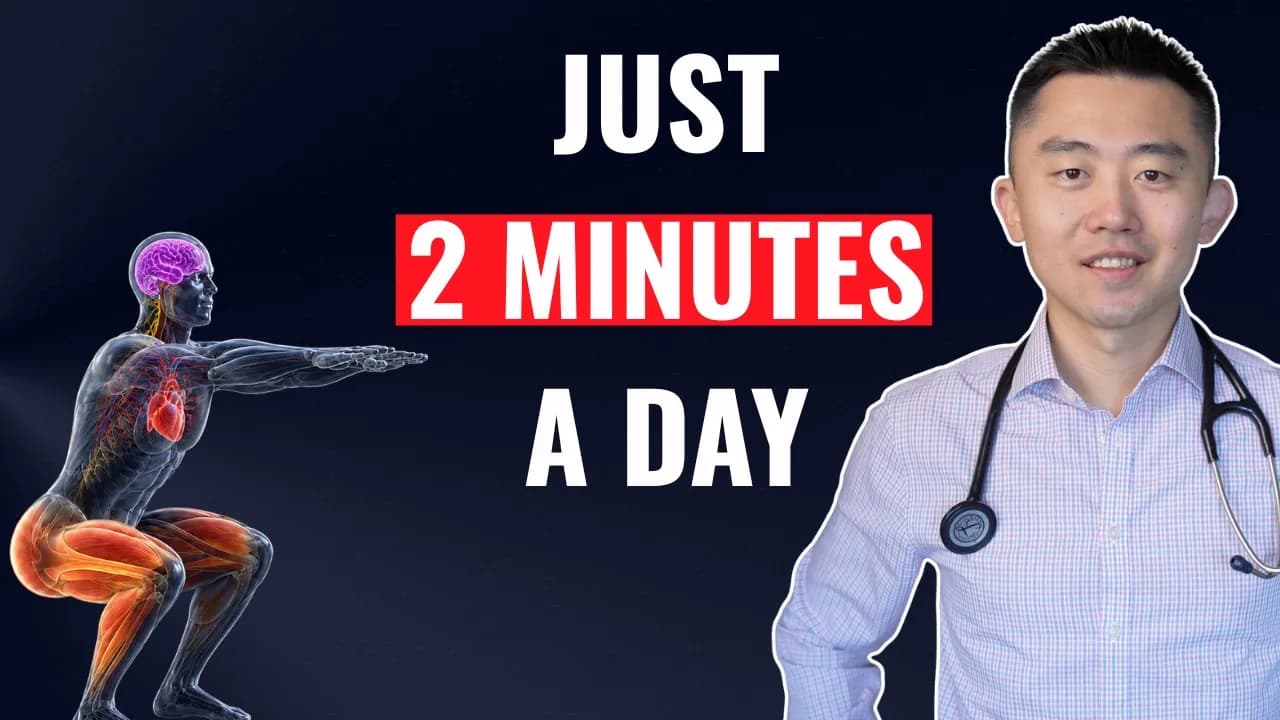
Muscle contraction increases circulating brain-derived neurotrophic factor (BDNF), which enhances neuroplasticity and neuronal health.
What the research says
Supports is higher
Support is ahead, but a single strong opposing study can change this.
These are independent scores, not a percentage. Higher-grade studies count more, so a single strong opposing study can outweigh several weaker ones.
Physical activity that causes muscles to contract raises levels of brain-derived neurotrophic factor in the blood, leading to improved adaptability and function of neurons in the brain.
See the scientific wording
Muscle contraction increases circulating brain-derived neurotrophic factor (BDNF), enhancing neuroplasticity and neuronal health.
When muscles contract during exercise, the brain becomes more active, which causes brain cells to make more BDNF. This BDNF is released into the fluid around the brain and enters the bloodstream. Higher levels of BDNF strengthen connections between brain cells and protect them from damage caused by stress.
What the research says
3 studiesEven though the study didn’t make people exercise, it found that people with more BDNF in their blood had less muscle damage — suggesting BDNF helps protect the brain and muscles, just like the claim says.
Study: Brain-derived neurotrophic factor in human cerebrospinal fluid is elevated after exercise.
When people exercise and their muscles move, their brain makes more of a special chemical called BDNF that helps brain cells grow and connect better. This study found that after cycling, the fluid around the brain had nearly three times more of this chemical in most people.
Study: Acute exercise increases BDNF and short-term memory in healthy adults.
When people exercise hard, their bodies make more of a brain-boosting chemical called BDNF, which happens about a day later. This study found that after cycling hard, people got better at remembering words and shapes, which suggests their brains worked better — even if we can't say for sure that BDNF caused it.
Related videos
Score breakdown, mechanism chain, raw evidence, ideal studies needed & 3 supporting studies
Not medical advice. For informational purposes only. Always consult a qualified healthcare professional before making health decisions.