The Claim
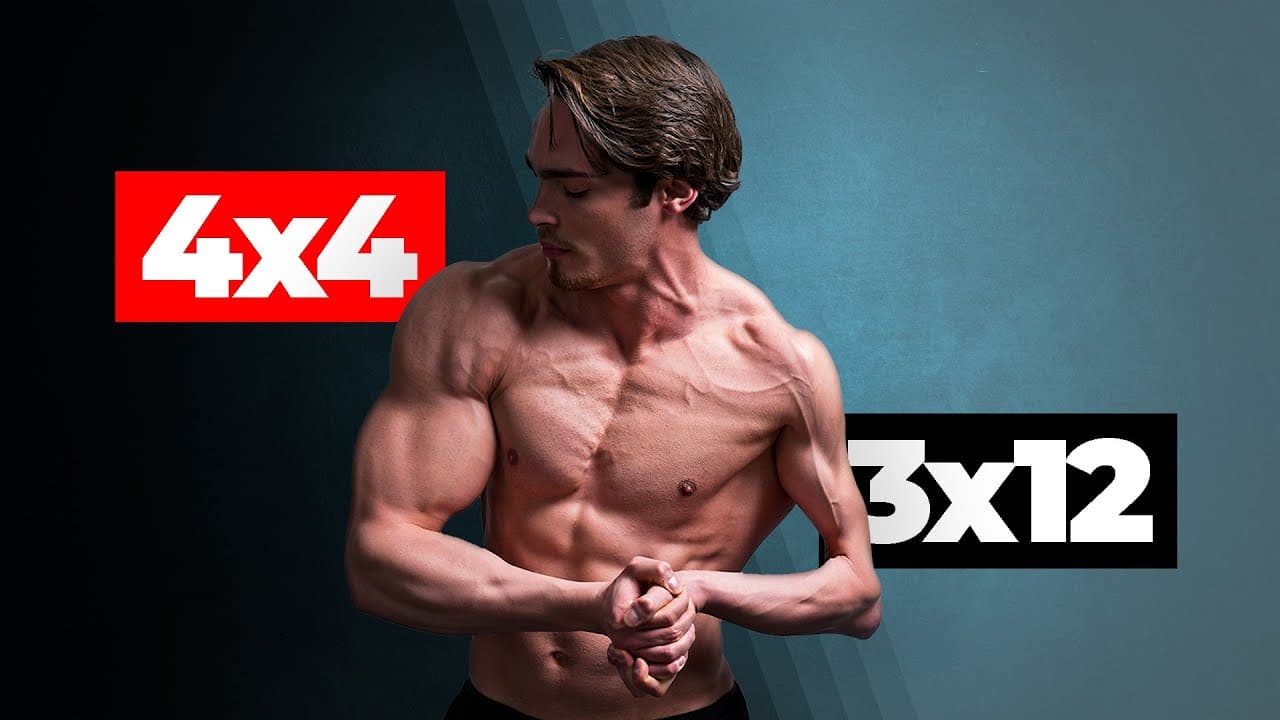
Muscle hypertrophy is driven by mechanical tension, which can be induced through either high-force/low-repetition or moderate-force/high-repetition resistance exercise protocols when sets are performed to near muscular failure.
What the research says
Supports is higher
Support is ahead, but a single strong opposing study can change this.
These are independent scores, not a percentage. Higher-grade studies count more, so a single strong opposing study can outweigh several weaker ones.
Muscle growth occurs when muscles are subjected to mechanical tension during resistance training, and this tension can be created by lifting heavy weights for few repetitions or moderate weights for many repetitions, as long as the set is taken close to the point of inability to continue.
See the scientific wording
Muscle hypertrophy is driven by mechanical tension, which can be achieved through either high-force/low-repetition or moderate-force/high-repetition protocols when sets are performed to near failure.
When muscles are worked hard until they can't move anymore, the force pulling on the muscle fibers and the buildup of waste chemicals inside the muscle turn on a molecular switch that tells the muscle to make more protein, causing the fibers to get bigger.
What the research says
5 studiesThis study found that lifting moderate weights until you can't do another rep makes your muscles grow, even if you're not lifting super heavy weights. So yes, you can build muscle with either heavy lifts or lighter lifts—as long as you push yourself to the limit.
This study found that climbers who lifted heavy weights for few reps and those who lifted light weights with a tight band around their arms both got stronger and their arms grew bigger—proving you don’t need to lift super heavy to build muscle, as long as you push yourself to near exhaustion.
Whether you lift heavy weights for few reps or lighter weights for more reps—as long as you push until you're really tired—you can grow your muscles. This study showed both ways worked well.
This study found that lifting heavy weights for fewer reps and lifting lighter weights for more reps both made muscles bigger, as long as people pushed themselves until they couldn’t do another rep. So, you don’t need to lift super heavy to grow muscles — just work hard.
Related videos
Score breakdown, mechanism chain, raw evidence, ideal studies needed & 5 supporting studies
Not medical advice. For informational purposes only. Always consult a qualified healthcare professional before making health decisions.