The Claim
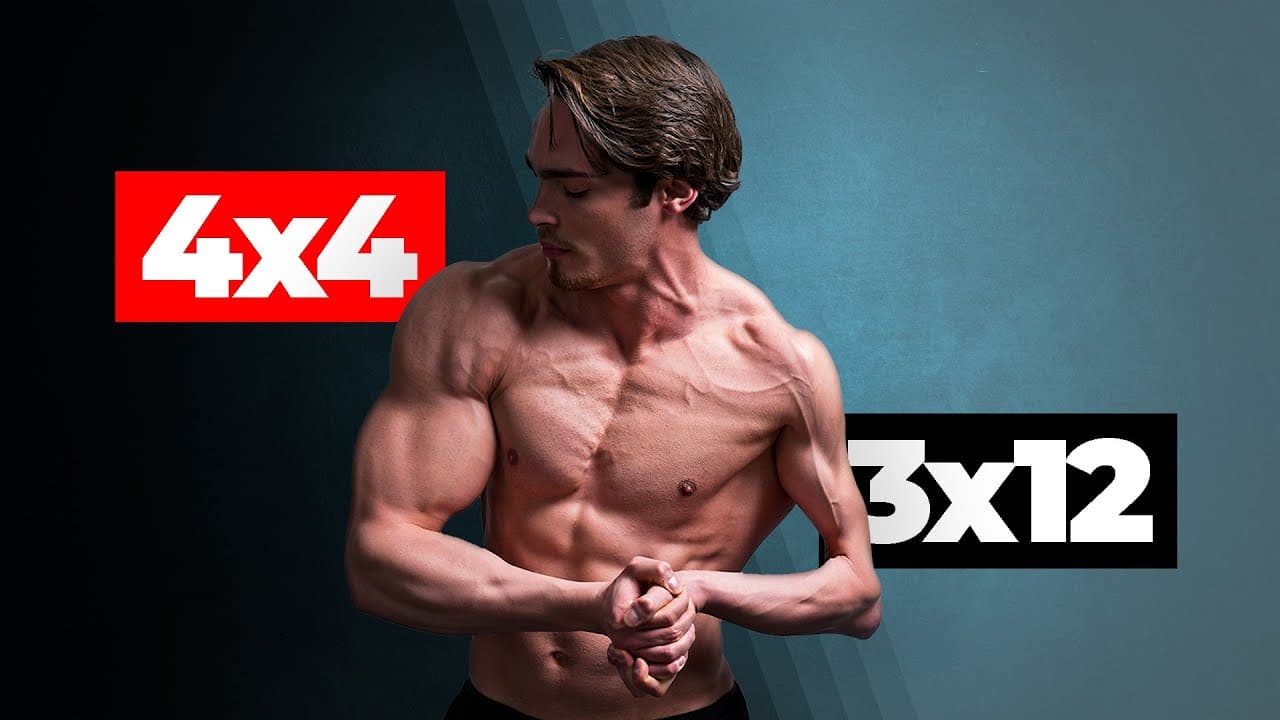
When training sets are performed to near failure, there is no significant difference in muscle hypertrophy between resistance training protocols utilizing 4 to 30 repetitions per set.
What the research says
Supports is higher
Support is ahead, but a single strong opposing study can change this.
These are independent scores, not a percentage. Higher-grade studies count more, so a single strong opposing study can outweigh several weaker ones.
When lifting weights until nearly exhausted, the amount of muscle growth is similar whether you use fewer repetitions with heavier weights or more repetitions with lighter weights.
See the scientific wording
Muscle hypertrophy is not significantly different between training protocols using 4 to 30 repetitions per set when sets are performed to near failure.
When you lift weights until you can barely do another rep, your muscles build up waste products like lactic acid and hydrogen ions, which, combined with the physical stretch and pull on the muscle fibers, turn on a molecular switch that tells the muscle to grow. This switch works the same whether you use light weights with many reps or heavy weights with few reps, as long as you push hard enough to exhaust the muscle.
What the research says
4 studiesWhen you lift weights until you can't do another rep, whether you use light weights with lots of reps or heavy weights with fewer reps, you end up growing your muscles about the same amount—as long as you push yourself to the limit.
When people lift weights until they can’t do another rep, whether they use light or heavy weights, their muscles get similarly tired and stimulated — which means they likely grow about the same.
This study found that lifting heavy weights for few reps and lifting lighter weights for more reps both made muscles grow about the same size, as long as people pushed themselves to near exhaustion. So, you don’t need to stick to one rep range to build muscle.
When people lift weights until they’re almost too tired to continue, whether they use heavier weights for fewer reps or lighter weights for more reps, they grow their muscles about the same amount. This study found that both ways worked equally well.
Related videos
Score breakdown, mechanism chain, raw evidence, ideal studies needed & 4 supporting studies
Not medical advice. For informational purposes only. Always consult a qualified healthcare professional before making health decisions.