The Claim
Olive oils with higher phenolic content produce multiple beneficial effects on brain health.
What the research says
Supports is higher
Support is ahead, but a single strong opposing study can change this.
These are independent scores, not a percentage. Higher-grade studies count more, so a single strong opposing study can outweigh several weaker ones.
Some olive oils are richer in natural compounds called phenolics. These olive oils help the brain in many ways.
See the scientific wording
Olive oils with higher phenolic content produce multiple beneficial effects on brain health.
Eating olive oil that has lots of natural plant chemicals (polyphenols) can help keep your brain healthy. These chemicals get into your blood and some even go into your brain. There, they help clean up harmful molecules and calm down inflammation, which is a fire in the body that can hurt the brain. They also help the good bacteria in your gut grow better, which sends signals that reduce inflammation throughout the body and make the protective shield around the brain stronger. This all helps keep your memory and thinking sharp as you get older.
What the research says
2 studiesStudy: Virgin olive oil supplementation and long-term cognition: the Predimed-Navarra randomized, trial
People who ate a Mediterranean diet with extra virgin olive oil performed better on memory tests and were less likely to have mild cognitive impairment than those on a low-fat diet, which supports the idea that olive oils with high plant chemicals (phenolics) are good for the brain.
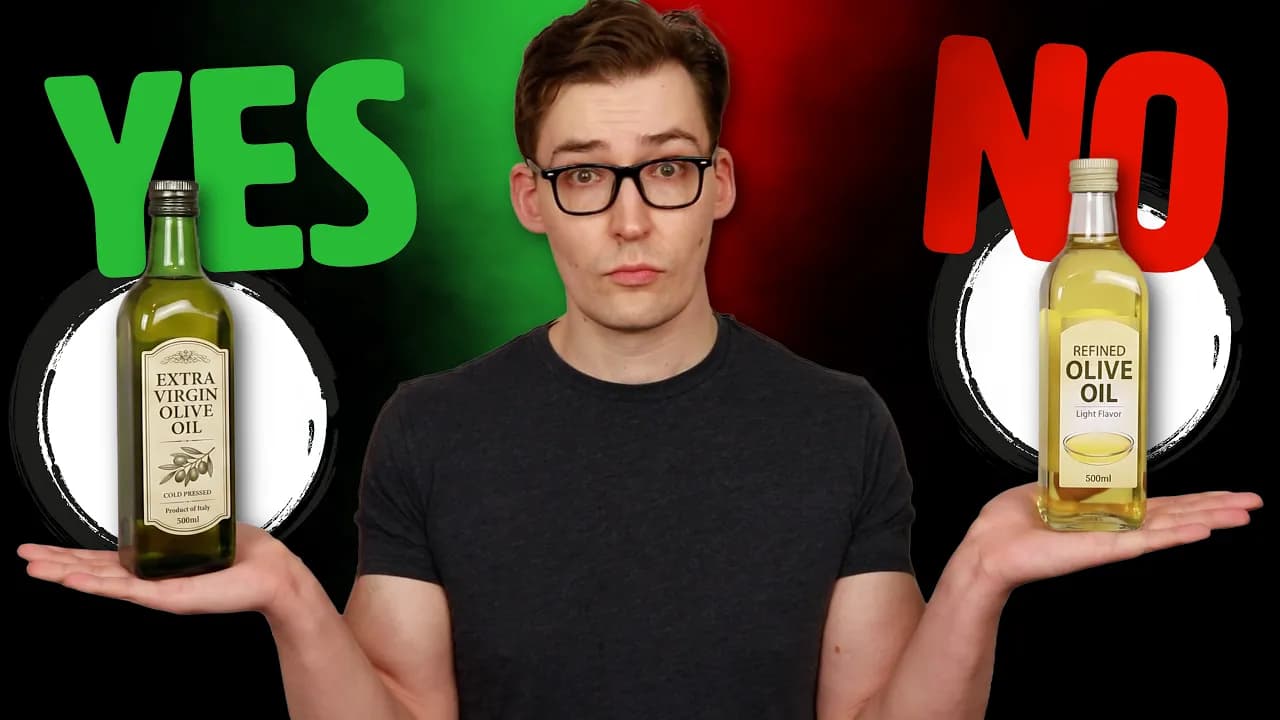
The study found that people who ate more virgin olive oil (which is rich in natural plant chemicals) had better memory and thinking, while those who ate more refined olive oil had worse memory. So it suggests that olive oils rich in natural chemicals are good for the brain.
Score breakdown, mechanism chain, raw evidence, ideal studies needed & 2 supporting studies
Not medical advice. For informational purposes only. Always consult a qualified healthcare professional before making health decisions.