The Claim
Repeated exposure to resistance training reduces muscle damage and inflammatory responses through adaptive mechanisms.
What the research says
Supports is higher
Support is ahead, but a single strong opposing study can change this.
These are independent scores, not a percentage. Higher-grade studies count more, so a single strong opposing study can outweigh several weaker ones.
Regular resistance training lowers markers of muscle damage and inflammation due to physiological adaptations.
See the scientific wording
Repeated exposure to resistance training reduces muscle damage and inflammatory responses through adaptive mechanisms.
When muscles are repeatedly stressed by resistance training, they repair themselves more efficiently by making more proteins to strengthen fibers, while specialized molecules from fats turn off inflammation and clean up damaged tissue. This reduces soreness and tissue damage over time.
What the research says
4 studiesRegular strength training, even when mixed with cardio, helps the body calm down inflammation and heal muscles better over time — just like the claim says.
Study: Eccentric exercise per se does not affect muscle damage biomarkers: early and late phase adaptations
When you first do a tough workout, your muscles get sore and inflamed, but if you keep doing the same workout, your body learns to handle it better—so you get less sore and less inflamed over time.
Even though the study used lighter weights with more reps, it found that doing the same workout over and over made muscles less sore and damaged over time—exactly what the claim says happens with repeated training.
Study: Combined aerobic and resistance training decreases inflammation markers in healthy men
Regular weight training, even when mixed with cardio, helps lower body inflammation over time — meaning your muscles and body become less sore and stressed after workouts because they adapt.
Related videos
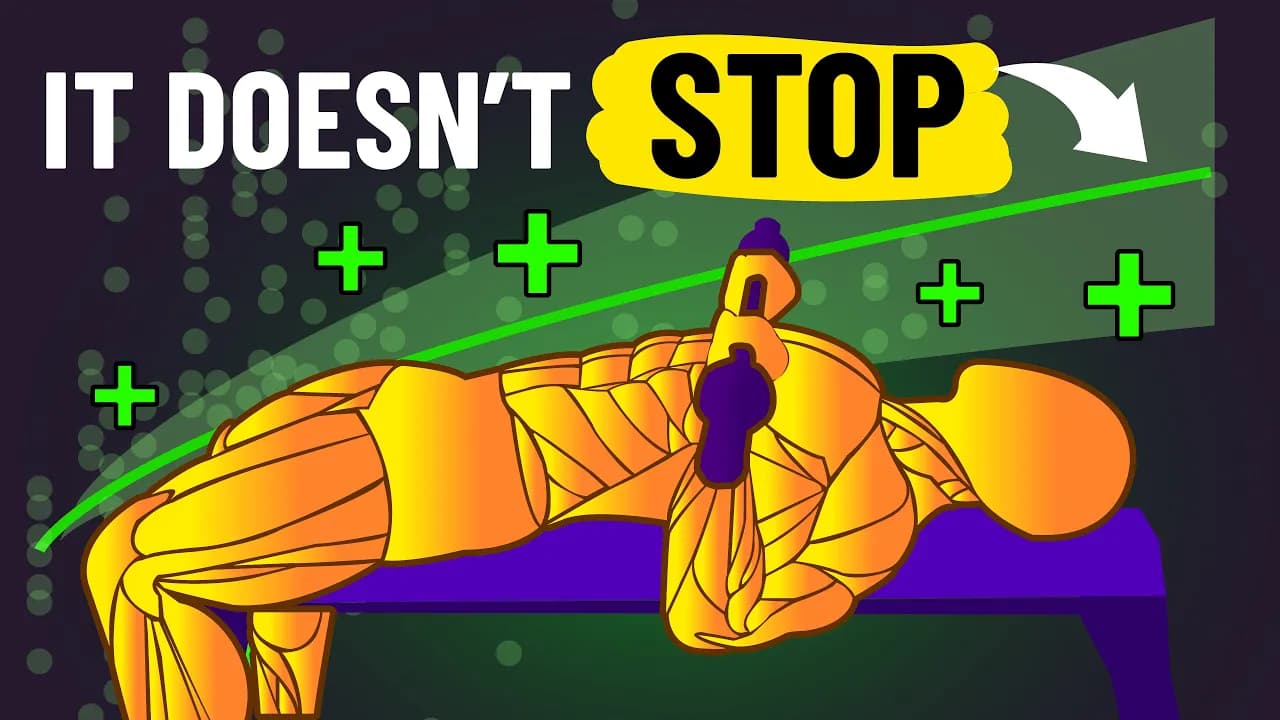
Score breakdown, mechanism chain, raw evidence, ideal studies needed & 4 supporting studies
Not medical advice. For informational purposes only. Always consult a qualified healthcare professional before making health decisions.