The Claim
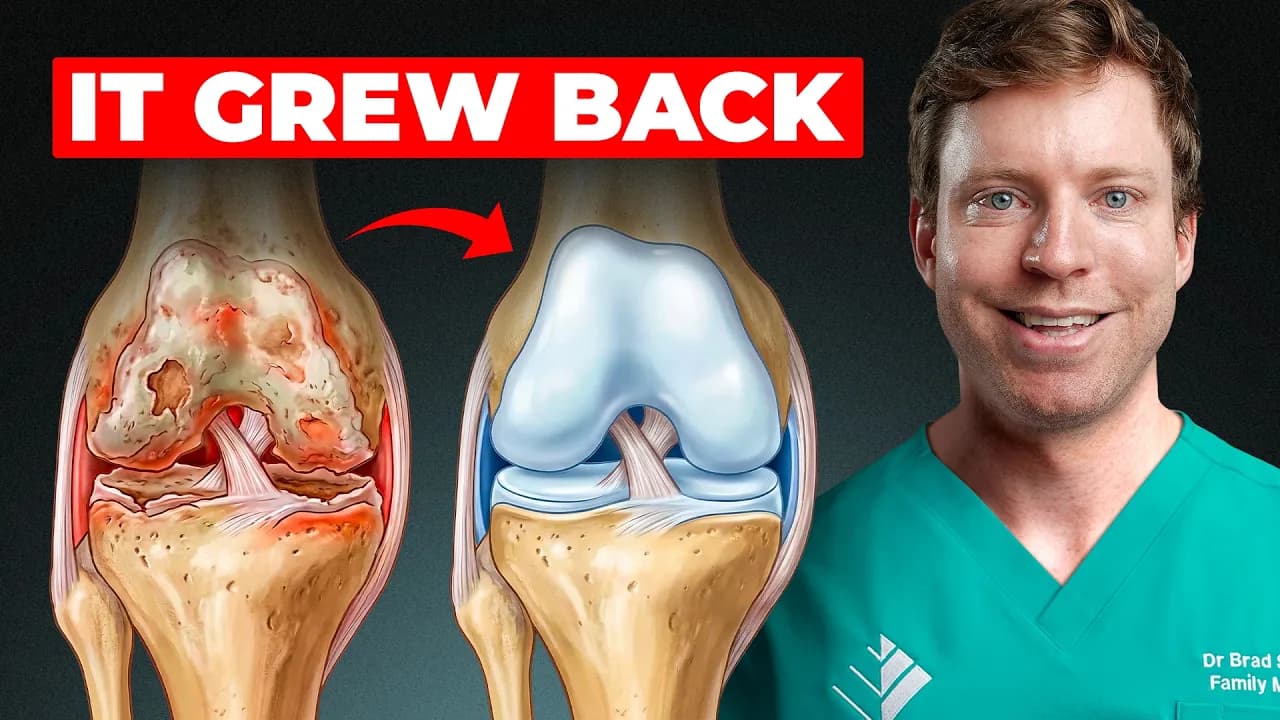
In humans with obesity and osteoarthritis, semaglutide treatment is associated with a 17% increase in knee cartilage thickness, suggesting structural regeneration of cartilage previously considered irreparable.
What the research says
Challenges is higher
Challenge is ahead, but a single strong supporting study can change this.
These are independent scores, not a percentage. Higher-grade studies count more, so a single strong opposing study can outweigh several weaker ones.
A diabetes drug called semaglutide might help regrow knee cartilage in people with obesity and arthritis — something doctors used to think wasn't possible.
See the scientific wording
Semaglutide treatment is associated with a 17% increase in knee cartilage thickness in humans with obesity and osteoarthritis, indicating structural regeneration of previously deemed 'irreparable' tissue.
What the research says
1 studyThe study shows semaglutide may help protect cartilage in mice and has early signs of benefit in humans, but it doesn't prove a 17% increase in knee cartilage thickness in people.
Score breakdown, mechanism chain, raw evidence, ideal studies needed & 1 supporting studies
Not medical advice. For informational purposes only. Always consult a qualified healthcare professional before making health decisions.