The Claim
Studies with small sample sizes may lack sufficient statistical power to detect real physiological differences, increasing the risk of type II errors in hypothesis testing.
What the research says
Supports is higher
Support is ahead, but a single strong opposing study can change this.
These are independent scores, not a percentage. Higher-grade studies count more, so a single strong opposing study can outweigh several weaker ones.
Small studies might miss real differences just because they don’t have enough people in them — it’s like trying to hear a whisper in a noisy room.
See the scientific wording
Studies with small sample sizes may fail to detect real physiological differences due to insufficient statistical power, leading to type II errors in hypothesis testing.
What the research says
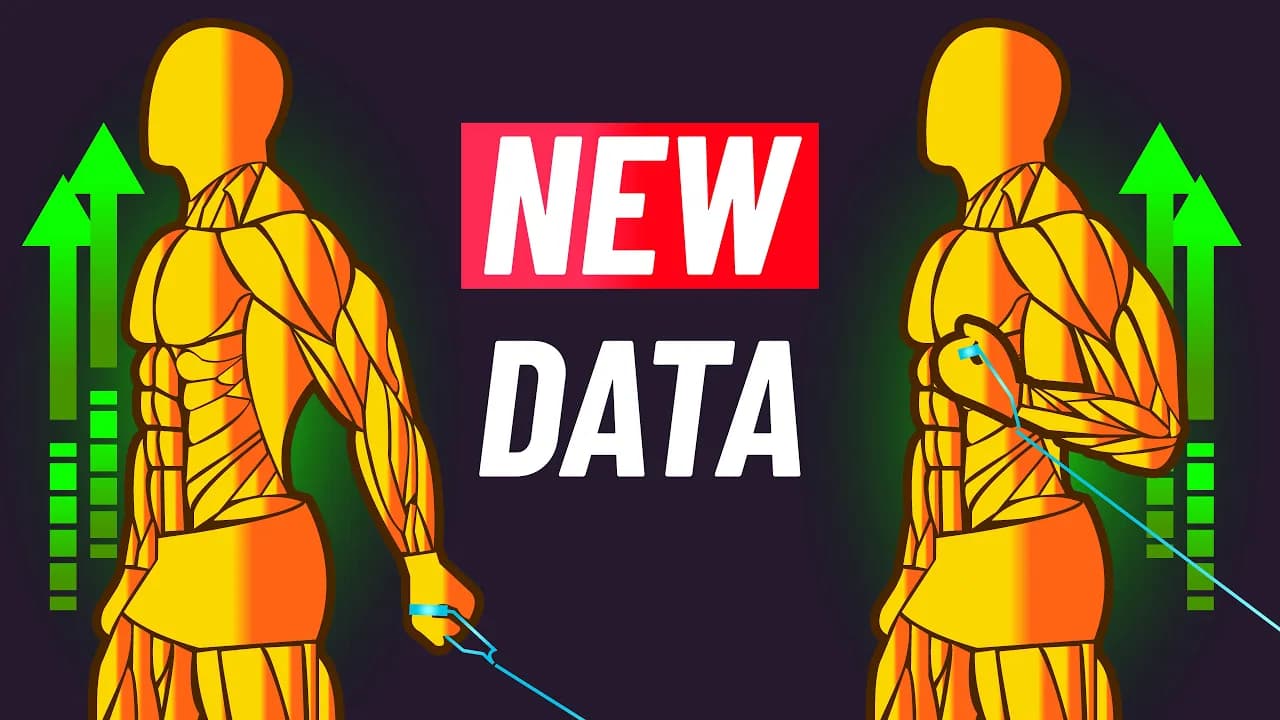
1 studyThis study looked at arm exercises and found no significant difference between two types, even though there were some noticeable changes. Because it used only 15 people, it might have missed real differences just due to having too few participants, which supports the idea that small studies can sometimes fail to find real effects.
Related videos
Score breakdown, mechanism chain, raw evidence, ideal studies needed & 1 supporting studies
Not medical advice. For informational purposes only. Always consult a qualified healthcare professional before making health decisions.