The Claim
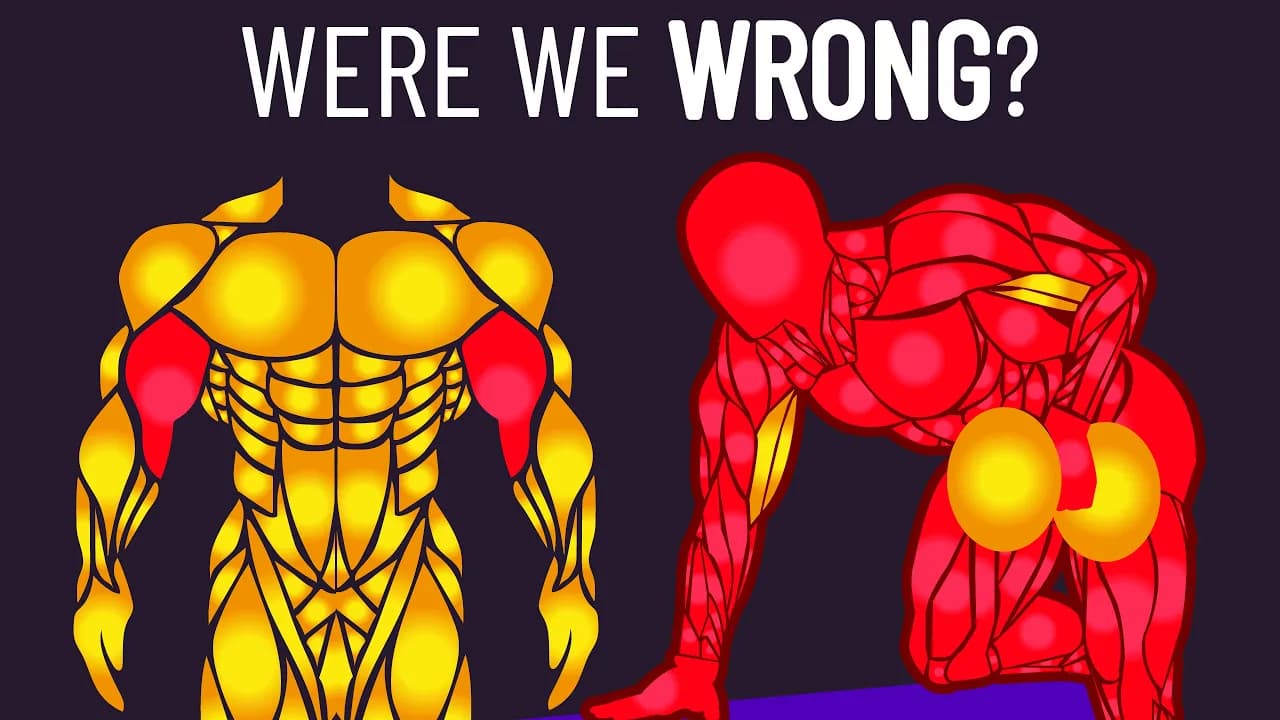
Acute muscle swelling following resistance exercise demonstrates an inconsistent relationship with long-term muscle hypertrophy, and this relationship may be dependent on the specific muscle group examined; therefore, further research is required to establish whether acute muscle swelling possesses reliable predictive value for long-term hypertrophy outcomes.
What the research says
Supports is higher
Support is ahead, but a single strong opposing study can change this.
These are independent scores, not a percentage. Higher-grade studies count more, so a single strong opposing study can outweigh several weaker ones.
Scientists aren't sure if the temporary muscle puffiness you get after working out is a good sign that your muscles will actually grow bigger over time. It might work for some muscle groups but not others, so we need more studies to figure this out.
See the scientific wording
The relationship between acute muscle swelling and long-term hypertrophy is inconsistent and may be muscle-group dependent, requiring further research to establish reliable predictive value.
When muscles are worked hard, they swell temporarily because of fluid buildup from metabolic byproducts like lactate. This swelling is not what makes muscles grow, but it happens at the same time as signals that tell the muscle to build more protein. Whether the muscle grows over time depends on how much total work is done and how much force the muscle fibers experience, not on how swollen it gets right after exercise. Different muscles may swell differently based on their size and blood flow, which is why swelling doesn't always predict growth the same way everywhere in the body.
What the research says
1 studyThis study found that when people lift light weights until they’re exhausted, their muscles puff up right after—and they also grow over time. But it only tested one exercise (bench press), so we still don’t know if this works the same way for legs, back, or other muscles.
Related videos
Score breakdown, mechanism chain, raw evidence, ideal studies needed & 1 supporting studies
Not medical advice. For informational purposes only. Always consult a qualified healthcare professional before making health decisions.