The Claim
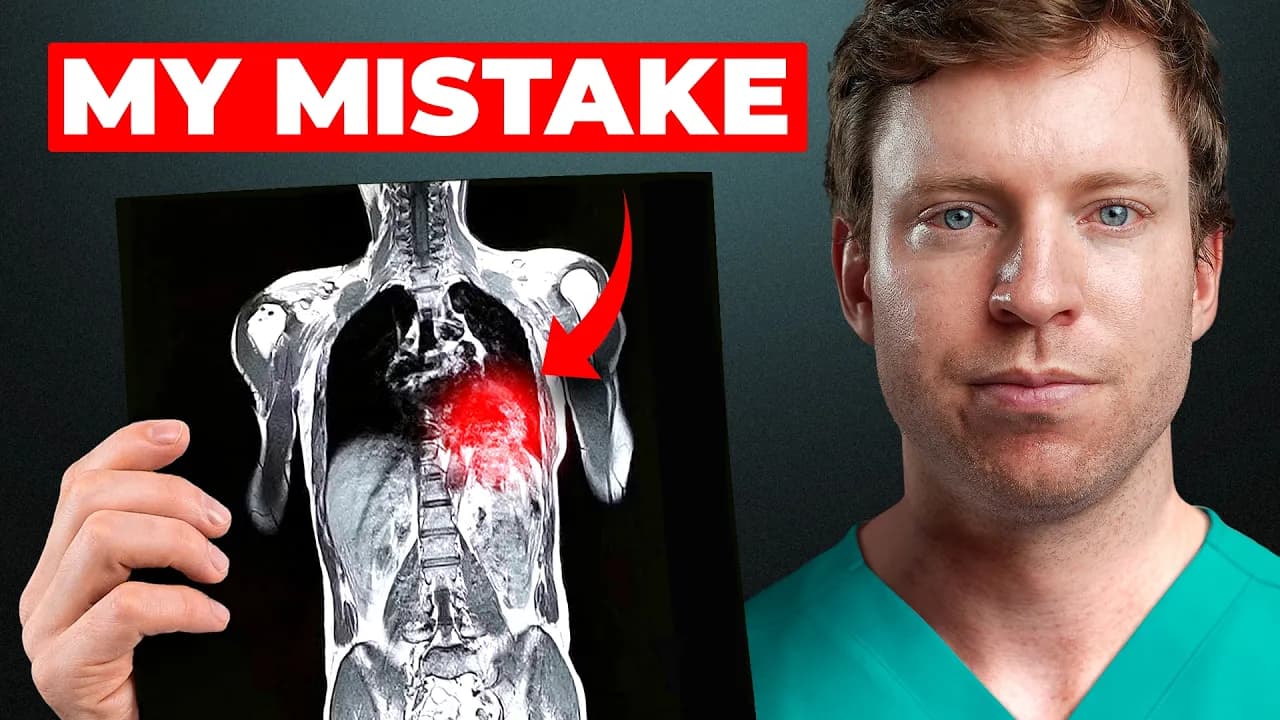
Whole-body MRI detects confirmed cancer in approximately 1.57% of asymptomatic individuals.
What the research says
Supports is higher
Support is ahead, but a single strong opposing study can change this.
These are independent scores, not a percentage. Higher-grade studies count more, so a single strong opposing study can outweigh several weaker ones.
When doctors scan the whole body with an MRI on people who feel perfectly fine and have no symptoms, they find cancer in about 1 in 64 of them.
See the scientific wording
Whole-body MRI detects confirmed cancer in approximately 1.57% of asymptomatic individuals.
What the research says
3 studiesThis study looked at thousands of healthy people who got full-body MRI scans and found that about 1.57% of them had cancer they didn’t know about — exactly what the claim says.
This study looked at using full-body MRI scans to find hidden cancers in healthy people with no symptoms, and it found that about 1.57% of them actually had cancer—exactly what the claim says.
This study checked healthy people with a full-body MRI scan and found cancer in about 1.2% of them — which is very close to the 1.57% mentioned in the claim, so it supports the idea that whole-body MRI can find cancer in a small but meaningful number of people who feel fine.
Related videos
Score breakdown, mechanism chain, raw evidence, ideal studies needed & 3 supporting studies
Not medical advice. For informational purposes only. Always consult a qualified healthcare professional before making health decisions.