Pregnancy Nutrition Breakthroughs & Fat Loss Hacks: Lab Notes, May 20
New evidence on prenatal supplements, exercise, and visceral fat reduction
From the editor
Every day, Fit Body Science analyzes new fitness and nutrition research — checking the evidence, scoring the claims, and separating what's backed by science from what's not. Here's what we found today.
Prenatal Protein Boosts Baby Growth—Safely
A major randomized trial in rural Burkina Faso reveals that daily fortified balanced energy-protein (BEP) supplementation during pregnancy leads to measurable improvements in fetal growth. Compared to standard iron-folic acid (IFA) alone, women receiving BEP supplements delivered infants with higher birth weight, increased birth length, and improved thoracic and arm circumferences—indicating more robust structural development. These gains are especially critical in low-resource settings where undernutrition threatens fetal development.
The supplement didn’t just increase size—it extended gestational duration by an average of 0.20 weeks (about 1.4 days), giving babies extra time for vital organ maturation. This modest extension correlated with lower rates of low birth weight, a key predictor of infant mortality and long-term health issues.
Critically, the supplement showed no safety concerns: rates of large-for-gestational-age infants, stillbirths, or fetal loss were unchanged. This suggests BEP supplementation enhances growth without triggering overgrowth or complications. For public health programs, this is a scalable, evidence-backed strategy to combat fetal growth restriction.
This is not about weight gain for the mother—it’s about targeted nourishment for the baby.
**Daily prenatal fortified energy-protein supplementation increases infant birth weight by ~50g and improves structural growth without increasing risks.**
Read the full study review
Prenatal Protein Boosts Baby Growth—Safely
**Daily prenatal fortified energy-protein supplementation increases infant birth weight by ~50g and improves structural growth without increasing risks.**
Exercise in Pregnancy Curbs Excess Weight Gain
The FitMum randomized trial delivers strong evidence that supervised prenatal exercise helps healthy, inactive women manage gestational weight gain. Compared to standard care, women who participated in structured exercise programs—or received motivational counseling—gained less weight during pregnancy while experiencing better obstetric and neonatal outcomes. This is a win-win: healthier moms, healthier babies.
Excessive gestational weight gain is linked to complications like gestational diabetes, cesarean delivery, and childhood obesity. The study shows that even modest, consistent physical activity can disrupt this trajectory. The exercise was safe, feasible, and effective—without increasing risks of preterm birth or low birth weight.
Motivational counseling also had a positive impact, suggesting that behavioral support plays a key role. For women unsure where to start, this reinforces that guidance from trained professionals can make a real difference.
The message is clear: movement matters—even during pregnancy.
**Supervised prenatal exercise reduces excessive gestational weight gain and improves maternal and neonatal outcomes.**
Read the full study review
Exercise in Pregnancy Curbs Excess Weight Gain
**Supervised prenatal exercise reduces excessive gestational weight gain and improves maternal and neonatal outcomes.**
33% Visceral Fat Drop? A Nervous System Hack Emerges
A viral video claims a 'nervous system trick' can slash visceral fat by 33%—without diet or exercise. While intriguing, the evidence is thin. The video presents anecdotal results and speculative mechanisms, possibly referencing breathwork, cold exposure, or vagal nerve stimulation. These approaches may influence autonomic tone and metabolism, but no robust clinical trial supports a 33% fat reduction from such methods alone.
Visceral fat—the dangerous fat around organs—is linked to insulin resistance, heart disease, and inflammation. Proven ways to reduce it include strength training, aerobic exercise, and balanced nutrition. Any 'hack' bypassing these fundamentals raises red flags.
The video scored moderately on our Pro scale (26.0 vs 11.0 Against), suggesting some plausible elements but significant overreach. While modulating the nervous system (e.g., via stress reduction) can support fat loss, it’s a complement—not a replacement—for lifestyle changes.
Be skeptical of dramatic claims that sound too good to be true.
**No credible evidence supports a 33% visceral fat reduction without diet or exercise—caution advised on 'nervous system hacks.'**

Watch the full analysis
33% Visceral Fat Drop? A Nervous System Hack Emerges
Dietary Cholesterol: Less Scary on Low-Carb Diets
For years, dietary cholesterol was public enemy number one. But new analysis from the DIETFITS trial suggests it’s not the villain we thought—especially on a healthy low-carbohydrate diet. Researchers found that increasing dietary cholesterol intake over 12 months had minimal impact on blood lipid profiles in overweight adults following a low-carb plan.
Participants eating more cholesterol—think eggs, shellfish, lean organ meats—didn’t see significant rises in LDL ('bad') cholesterol. Some even improved their HDL and triglycerides. This supports the idea that for many, the body regulates cholesterol homeostasis effectively when overall diet quality is high.
The key? 'Healthy' low-carb. This wasn’t a bacon-and-butter free-for-all—it emphasized whole foods, fiber, and unsaturated fats. In that context, dietary cholesterol appears far less concerning.
For most people, cholesterol-rich whole foods can be part of a heart-healthy low-carb diet.
**Increased dietary cholesterol intake has minimal effect on blood lipids when consumed as part of a healthy low-carbohydrate diet.**
Read the full study review
Dietary Cholesterol: Less Scary on Low-Carb Diets
**Increased dietary cholesterol intake has minimal effect on blood lipids when consumed as part of a healthy low-carbohydrate diet.**
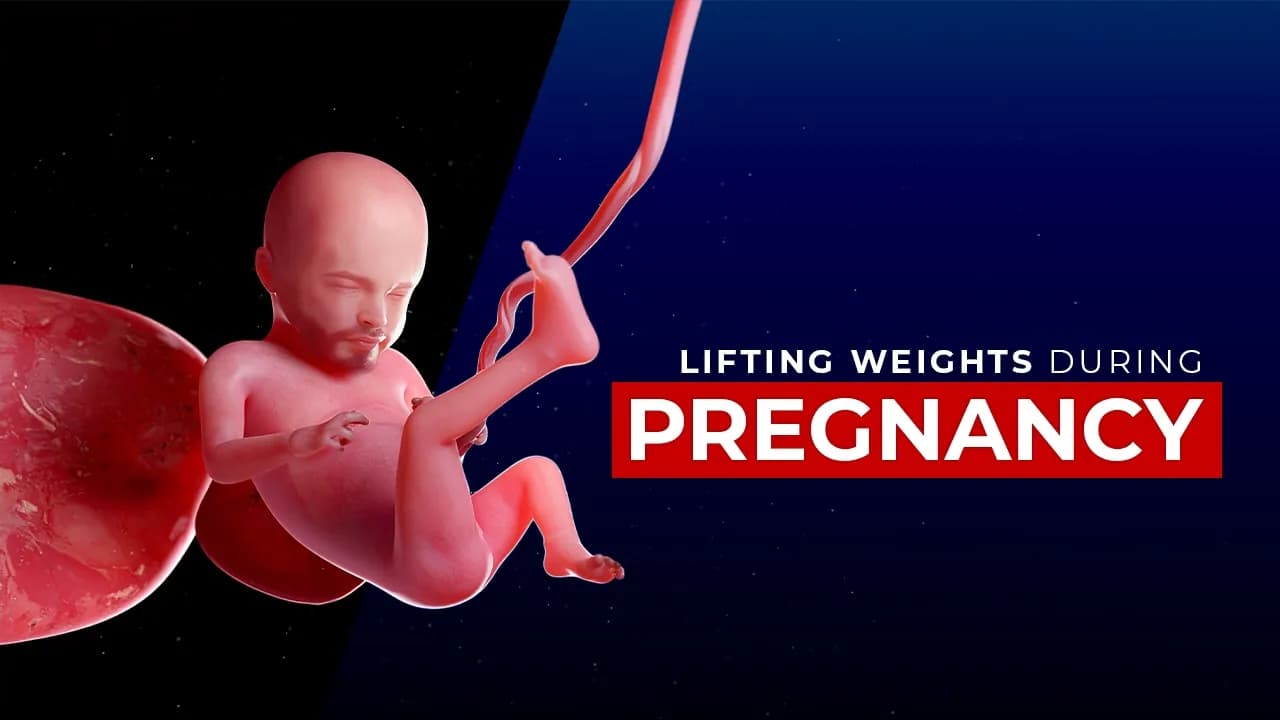
Lifting Weights While Pregnant? Science Says Yes
A compelling video dismantles the myth that pregnant women should avoid resistance training. With a strong Pro score of 45.0 and zero points against, it emphasizes that lifting weights during pregnancy is not only safe but beneficial for most women. Evidence shows it can reduce back pain, improve energy, and support healthier birth weights.
The video highlights that fears of 'hurting the baby' or causing preterm labor are largely unfounded—when exercises are properly modified and supervised. Strength training helps maintain muscle mass, supports metabolic health, and prepares the body for labor and postpartum recovery.
Guidelines from ACOG and other bodies already endorse resistance training during pregnancy, yet many women still avoid it due to outdated advice. This video helps bridge the gap between science and practice.
If you're healthy and cleared by your provider, picking up weights is one of the best things you can do—for you and your baby.
**Lifting weights during pregnancy is safe and beneficial for most women, improving strength, comfort, and outcomes.**
Watch the full analysis
Lifting Weights While Pregnant? Science Says Yes
The bottom line
Today’s findings spotlight a powerful theme: targeted, evidence-based interventions—whether nutritional, physical, or behavioral—can profoundly impact health outcomes, especially during critical windows like pregnancy. From fortified supplements that enhance fetal development to exercise that empowers expectant mothers, science continues to refine what 'healthy' really means. Meanwhile, we’re reminded to stay skeptical of flashy shortcuts, especially when visceral fat 'hacks' lack proof. The future of fitness and nutrition lies not in extremes, but in precision, safety, and sustainability.
Topics
Sources & References
Lifting Weights While Pregnant? Science Says Yes
**Lifting weights during pregnancy is safe and beneficial for most women, improving strength, comfort, and outcomes.**
33% Visceral Fat Drop? A Nervous System Hack Emerges
**No credible evidence supports a 33% visceral fat reduction without diet or exercise—caution advised on 'nervous system hacks.'**
Prenatal Protein Boosts Baby Growth—Safely
**Daily prenatal fortified energy-protein supplementation increases infant birth weight by ~50g and improves structural growth without increasing risks.**
Exercise in Pregnancy Curbs Excess Weight Gain
**Supervised prenatal exercise reduces excessive gestational weight gain and improves maternal and neonatal outcomes.**
Dietary Cholesterol: Less Scary on Low-Carb Diets
**Increased dietary cholesterol intake has minimal effect on blood lipids when consumed as part of a healthy low-carbohydrate diet.**