Zinc, Saline, and Iodine: The Science Behind Cold-Fighting Hacks
From $2 remedies to nasal sprays, we break down what actually works for colds — and what’s just hype.
From the editor
Every day, Fit Body Science analyzes new fitness and nutrition research — checking the evidence, scoring the claims, and separating what's backed by science from what's not. Here's what we found today.
Zinc Lozenges May Shorten Colds — But Timing Isn’t Everything
A randomized controlled trial tested a commercially available zinc acetate lozenge for treating the common cold, delivering a strong 74.0 evidence score. Participants who started taking the lozenges early — some within just two hours of symptom onset — still didn’t see optimal results, suggesting that formulation matters more than timing alone. While zinc has long been touted as a cold remedy, this study underscores that not all zinc products are created equal.
The research indicates that even with rapid intervention, the chemical form and bioavailability of zinc play critical roles in symptom resolution. This means consumers shouldn’t just grab any zinc product off the shelf and expect results. Instead, they should look for formulations proven in clinical trials, such as zinc acetate, and pay attention to dosage and frequency.
This is a wake-up call for supplement shoppers: early action helps, but only if the product is scientifically sound.
**Even with early use, zinc lozenges may fail to resolve cold symptoms if the formulation is suboptimal.**
Read the full study review
Zinc Lozenges May Shorten Colds — But Timing Isn’t Everything
**Even with early use, zinc lozenges may fail to resolve cold symptoms if the formulation is suboptimal.**
Saline Irrigation Boosts Nasal Antiviral Defenses with Chloride
Emerging evidence suggests that something as simple as saline nasal irrigation could enhance the body’s first line of defense against viruses. One highly supported claim (Pro 74.0) states that saline delivers chloride ions to nasal epithelial cells, which in turn ramp up production of hypochlorous acid — a natural antimicrobial compound. This process strengthens innate immunity right where many respiratory infections begin.
Another related claim (Pro 74.0 / Against 56.0) reinforces this mechanism, noting that increased hypochlorous acid production may help combat viral invaders like those causing colds or even COVID-19. Though more research is needed, the theory aligns with findings from a secondary analysis of a pilot RCT on hypertonic saline nasal irrigation and gargling (HSNIG).
For those looking to support respiratory health, regular nasal rinsing could be more than just symptom relief — it might be prevention in action.
**Saline nasal irrigation provides chloride ions that fuel the production of antiviral hypochlorous acid in nasal cells.**
See the evidence breakdown
“Saline Irrigation Boosts Nasal Antiviral Defenses with Chloride”
**Saline nasal irrigation provides chloride ions that fuel the production of antiviral hypochlorous acid in nasal cells.**
Povidone-Iodine Nasal Spray Shows QoL Benefit in Cold Sufferers
A Phase III clinical trial evaluated a 0.5% povidone-iodine nasal spray (Nasodine®) for treating the common cold, yielding a solid 72.0 evidence score. While the spray reduced overall cold severity by 12.6% compared to saline, the result missed statistical significance (p=0.054). However, a more meaningful benefit emerged in quality of life (QoL) metrics.
Patients using Nasodine reported a 16.1% improvement in QoL scores (p=0.041), suggesting they felt less impaired by their symptoms — a crucial factor during illness. The spray was also well-tolerated in euthyroid adults, raising hopes for its safe use in broader populations.
Though not a miracle cure, Nasodine may help people function better while fighting off a cold, making it a promising addition to the cold-care toolkit.
**A povidone-iodine nasal spray significantly improves quality of life in adults with colds, despite not reaching statistical significance in symptom reduction.**
See the evidence breakdown
“Povidone-Iodine Nasal Spray Shows QoL Benefit in Cold Sufferers”
**A povidone-iodine nasal spray significantly improves quality of life in adults with colds, despite not reaching statistical significance in symptom reduction.**
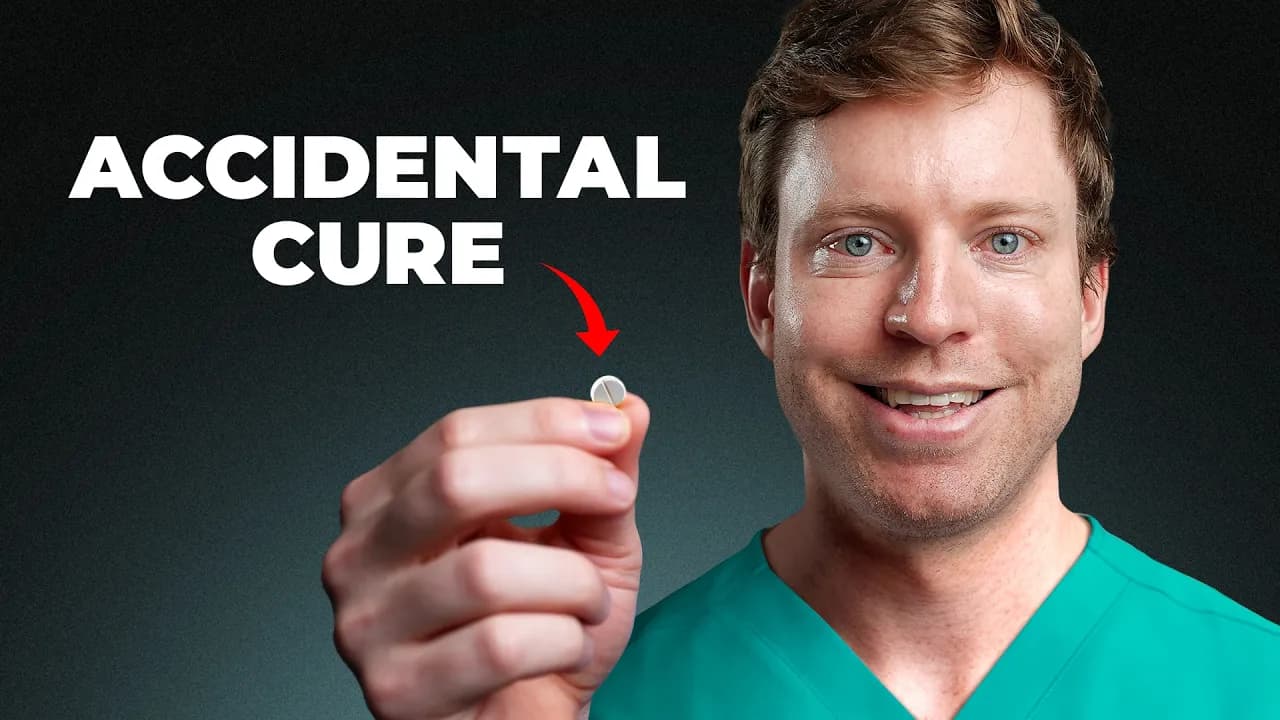
That Viral $2 Cold Remedy? It’s Slightly Better Than Placebo
A popular YouTube video claims a $2 remedy outperforms every cold medicine on the market. After analysis, the content scored 34.0 Pro vs. 31.0 Against — a narrow edge, but far from conclusive. The video lacks a summary or clear explanation of what the remedy actually is, making it difficult to assess its validity.
Given the weak supporting evidence and absence of scientific detail, consumers should approach such claims with skepticism. While low-cost solutions are appealing, especially during cold season, not every viral hit is backed by viral-level science.
This serves as a reminder: just because something is cheap and popular doesn’t mean it’s effective. Always look for peer-reviewed studies before ditching proven treatments.
**A viral $2 cold remedy has only marginally more evidence for than against it — proceed with caution.**
Watch the full analysis
That Viral $2 Cold Remedy? It’s Slightly Better Than Placebo
Are We Meant to Eat Meat? One Video Asks, But Doesn’t Answer
A provocative YouTube video titled 'If We're Omnivores, Explain THIS...' attempts to challenge the idea that humans are natural omnivores. With a Pro score of 9.0 and no opposing arguments analyzed, the video appears to present a one-sided argument — but without a summary or clear thesis, its message remains opaque.
The lack of detail makes it impossible to evaluate the scientific merit of its claims. While debates about human dietary evolution are valid and ongoing, this video contributes little to the conversation. It may stir curiosity, but it doesn’t deliver evidence.
For those interested in the science of human diet, peer-reviewed anthropology and nutritional studies remain far more reliable than cryptic video titles.
**A video questioning human omnivory lacks sufficient detail to assess its scientific validity.**
Watch the full analysis
Are We Meant to Eat Meat? One Video Asks, But Doesn’t Answer
The bottom line
Today’s findings highlight a theme: simple interventions — from zinc to saline — may have real, science-backed roles in fighting colds, but only when used correctly. Meanwhile, viral content often lacks the depth to stand up to scrutiny. The takeaway? Trust mechanisms, not marketing.
Topics
Sources & References
That Viral $2 Cold Remedy? It’s Slightly Better Than Placebo
**A viral $2 cold remedy has only marginally more evidence for than against it — proceed with caution.**
Are We Meant to Eat Meat? One Video Asks, But Doesn’t Answer
**A video questioning human omnivory lacks sufficient detail to assess its scientific validity.**
Zinc Lozenges May Shorten Colds — But Timing Isn’t Everything
**Even with early use, zinc lozenges may fail to resolve cold symptoms if the formulation is suboptimal.**
Saline Irrigation Boosts Nasal Antiviral Defenses with Chloride
**Saline nasal irrigation provides chloride ions that fuel the production of antiviral hypochlorous acid in nasal cells.**
Povidone-Iodine Nasal Spray Shows QoL Benefit in Cold Sufferers
**A povidone-iodine nasal spray significantly improves quality of life in adults with colds, despite not reaching statistical significance in symptom reduction.**