Statins lower LDL and stabilize plaques without reversing them, while metabolic health and inflammation independently drive cardiovascular risk.
Original: Why Your Doctor Wants You Taking a Statin (And Why You Might Not Need One)
Evidence supports statins reducing plaque progression and inflammation but not reversing existing plaque, with metabolic factors being critical independent drivers of risk.
Quick Answer
Doctors recommend statins primarily to reduce LDL cholesterol exposure and stabilize arterial plaque, which lowers the risk of heart attacks and strokes—especially in high-risk individuals like those with prior cardiovascular events or familial hypercholesterolemia. However, statins do not reverse existing plaque, do not address root causes like insulin resistance or obesity, and carry risks such as muscle pain and a small increased chance of type 2 diabetes. For many people, especially those with metabolic syndrome, lifestyle changes (like low-carb/keto diets), weight loss via GLP-1 medications, and addressing sleep/stress may reduce cardiovascular risk as much or more than statins alone.
Claims (10)
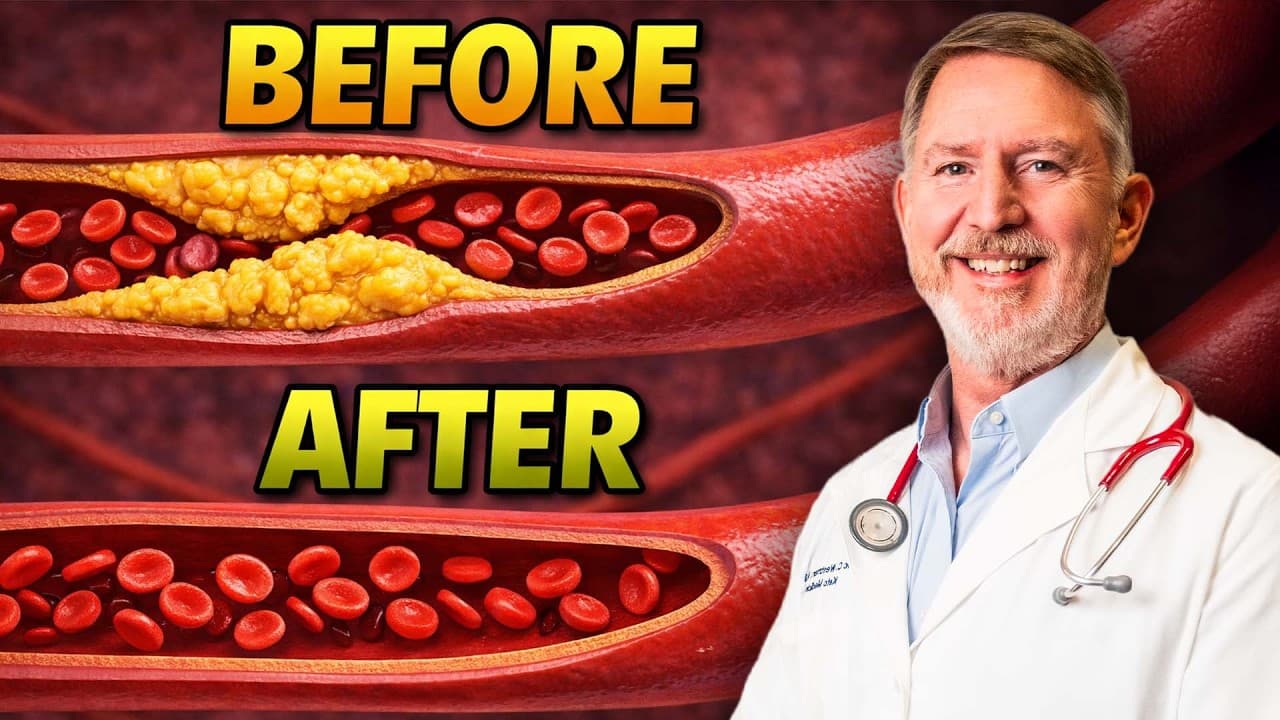
1. Statins don’t remove existing gunk in arteries, but they stop more gunk from building up and make existing gunk less likely to break open.
2. Taking statins can slightly raise your chance of getting type 2 diabetes, especially if you’re already at risk.
3. Statins make the liver stop making so much cholesterol and also help the liver pull more bad cholesterol out of the blood.
4. Even if your bad cholesterol is low, you can still have a heart attack if other problems like high blood sugar or high blood pressure are still there.
5. Statins help make dangerous artery gunk less likely to burst by calming down the inflammation inside it.
6. Other things like being overweight, having high blood sugar, or eating badly are even bigger causes of heart disease than high cholesterol alone.
7. Weight-loss drugs like GLP-1 agonists can lower heart attack risk even if they don’t change cholesterol numbers.
8. High cholesterol is just one of many things that can cause heart disease — like smoking, being inactive, or having high blood pressure.
9. Changing your diet and lifestyle alone can cut your risk of heart disease by as much as a statin does.
10. The more bad cholesterol you have in your blood over many years, the more likely you are to get clogged arteries and heart problems.
Key Takeaways
- •Problem: High LDL cholesterol and metabolic problems like insulin resistance and obesity increase the risk of heart attacks and strokes over time.
- •Core methods: Statins, low-carb/keto diets, GLP-1 weight-loss medications (like Ozempic or Wegovy), improving sleep, reducing stress, and increasing physical activity.
- •How methods work: Statins block liver cholesterol production and pull more LDL out of the blood. Low-carb diets reduce insulin spikes and fat storage, improving metabolic health. GLP-1 medications help you lose weight and reduce inflammation. Better sleep and less stress lower overall body stress hormones that damage blood vessels.
- •Expected outcomes: Statins reduce heart attack and stroke risk by 20–30% in high-risk people. Low-carb diets and GLP-1 medications can reduce risk by 20–40%, sometimes more than statins alone. None of these methods eliminate risk completely.
- •Implementation timeframe: LDL drops within weeks of starting statins. Weight loss and metabolic improvements from diet or GLP-1s show results in 3–6 months. Long-term risk reduction requires consistent lifestyle changes over years.
Overview
Cardiovascular disease is driven by multiple factors including LDL cholesterol, inflammation, insulin resistance, obesity, and metabolic syndrome. While statins effectively lower LDL cholesterol and reduce cardiovascular event rates in high-risk individuals, they do not address other critical drivers of disease such as insulin resistance or obesity. Emerging evidence shows that lifestyle interventions (e.g., low-carb/keto diets) and GLP-1 medications can reduce cardiovascular risk comparably or more effectively than statins alone, particularly when metabolic health is impaired. The key is recognizing statins as one tool among many—not a universal solution.
Key Terms
How to Apply
- 1.Get a lipid panel and metabolic panel (fasting glucose, insulin, triglycerides, HDL, LDL, HbA1c) to assess your baseline cardiovascular risk factors.
- 2.If your LDL is high and you have a history of heart attack, stroke, or familial hypercholesterolemia, consult your doctor about starting a statin at the lowest effective dose (e.g., rosuvastatin 5mg or atorvastatin 10mg).
- 3.Adopt a low-carbohydrate or ketogenic diet by limiting added sugars, refined grains, and processed foods; prioritize whole foods like meat, fish, eggs, leafy greens, nuts, and healthy fats (olive oil, avocado).
- 4.If overweight or insulin resistant, discuss GLP-1 medications (e.g., semaglutide, tirzepatide) with your doctor as a tool to achieve 10–15% body weight loss, which improves metabolic health and reduces cardiovascular risk.
- 5.Improve sleep by aiming for 7–8 hours per night, maintaining a consistent bedtime, and avoiding screens 1 hour before bed.
- 6.Reduce chronic stress through daily mindfulness, walking in nature, or breathwork for 10–15 minutes per day.
- 7.Engage in resistance training 2–3 times per week and walk 8,000–10,000 steps daily to improve insulin sensitivity and vascular health.
- 8.Re-test your lipid panel and metabolic markers after 6 months to assess progress and determine if statin therapy remains necessary based on overall risk reduction.
Following these steps will reduce LDL cholesterol, improve insulin sensitivity, lower triglycerides, raise HDL, reduce body weight, and decrease systemic inflammation—leading to a 20–40% reduction in cardiovascular risk over 6–12 months. Statins may be reduced or discontinued if metabolic health improves significantly, but should be continued if high-risk markers persist despite lifestyle changes.
Additional Links (11)
Claims (10)
1. Statins don’t remove existing gunk in arteries, but they stop more gunk from building up and make existing gunk less likely to break open.
2. Taking statins can slightly raise your chance of getting type 2 diabetes, especially if you’re already at risk.
3. Statins make the liver stop making so much cholesterol and also help the liver pull more bad cholesterol out of the blood.
4. Even if your bad cholesterol is low, you can still have a heart attack if other problems like high blood sugar or high blood pressure are still there.
5. Statins help make dangerous artery gunk less likely to burst by calming down the inflammation inside it.
6. Other things like being overweight, having high blood sugar, or eating badly are even bigger causes of heart disease than high cholesterol alone.
7. Weight-loss drugs like GLP-1 agonists can lower heart attack risk even if they don’t change cholesterol numbers.
8. High cholesterol is just one of many things that can cause heart disease — like smoking, being inactive, or having high blood pressure.
9. Changing your diet and lifestyle alone can cut your risk of heart disease by as much as a statin does.
10. The more bad cholesterol you have in your blood over many years, the more likely you are to get clogged arteries and heart problems.
Related Content
Claims (10)
Inhibition of hepatic HMG-CoA reductase reduces circulating LDL cholesterol by decreasing endogenous cholesterol synthesis and upregulating hepatic LDL receptor expression.
Statins do not induce significant regression of established atherosclerotic plaque but reduce plaque progression and enhance plaque stability by lowering LDL cholesterol exposure to arterial walls.
Metabolic syndrome, insulin resistance, and obesity are stronger predictors of cardiovascular risk than LDL cholesterol levels alone.
Chronic exposure to elevated LDL particles is causally associated with increased risk of atherosclerotic cardiovascular disease through endothelial infiltration and initiation of arterial inflammation.
Cardiovascular risk persists despite low LDL cholesterol levels if concomitant metabolic syndrome, hypertension, chronic inflammation, or dysglycemia remain unaddressed.