The Claim
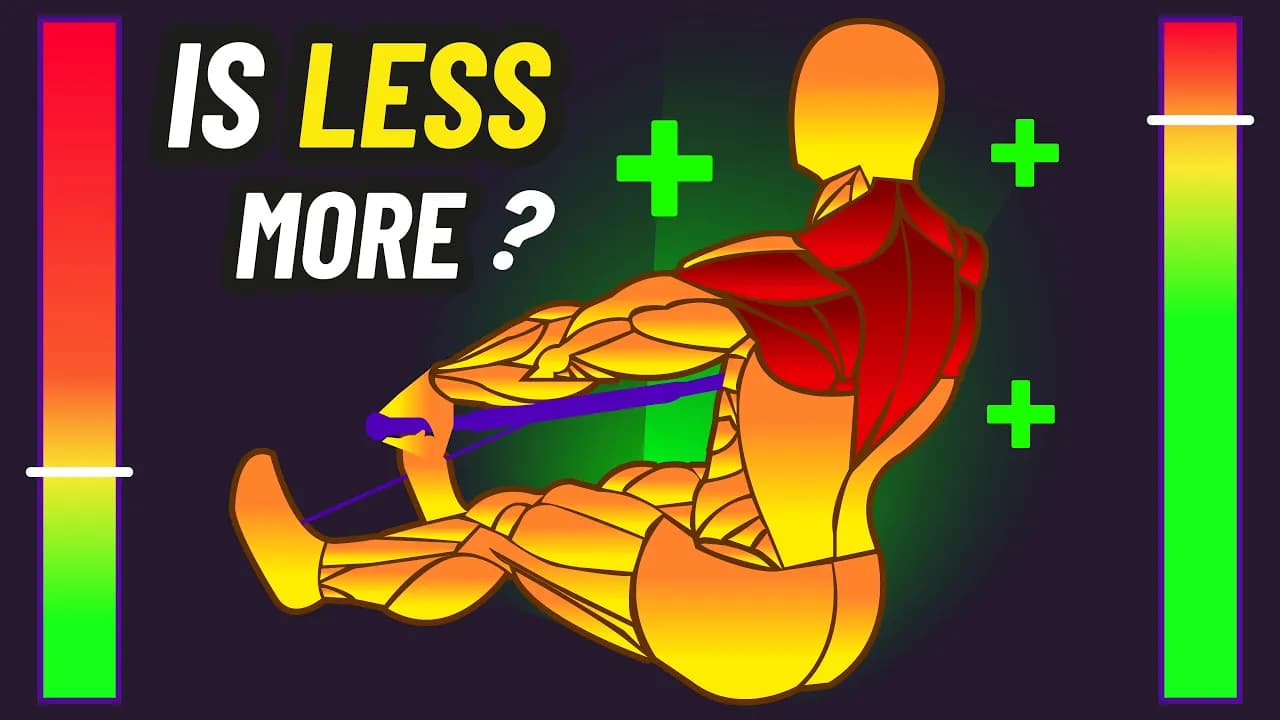
When total weekly training volume is equated, a resistance training frequency of once per week produces statistically equivalent muscular hypertrophy compared to higher training frequencies.
What the research says
Supports is higher
Support is ahead, but a single strong opposing study can change this.
These are independent scores, not a percentage. Higher-grade studies count more, so a single strong opposing study can outweigh several weaker ones.
If you do the same total amount of weightlifting work each week, doing it all in one session will build your muscles just as much as spreading those workouts across multiple days.
See the scientific wording
A training frequency of once per week produces statistically equivalent muscular hypertrophy to higher frequencies, provided total weekly volume is sufficient.
When you lift weights, your muscles break down slightly and then rebuild stronger. This rebuilding process stays active for about two days after each workout. If you do enough total lifting in a week, your muscles keep growing whether you do it all in one day or spread it out, because the body keeps repairing and adding muscle tissue during that two-day window.
What the research says
3 studiesIf you lift the same total amount of weights each week, whether you do it all in one day or spread it out over several days, your muscles grow about the same — this study found no big difference.
If you perform the same total amount of exercise each week, your muscles will grow at the same rate regardless of whether you split that work into one session or spread it across multiple days.
Study: Resistance training frequency and skeletal muscle hypertrophy: A review of available evidence.
If you do the same total amount of exercise each week, working out a muscle once a week builds the same amount of muscle as working it out more often. The number of weekly sessions does not matter as long as you hit your total weekly target.
Related videos
Score breakdown, mechanism chain, raw evidence, ideal studies needed & 3 supporting studies
Not medical advice. For informational purposes only. Always consult a qualified healthcare professional before making health decisions.