The Claim
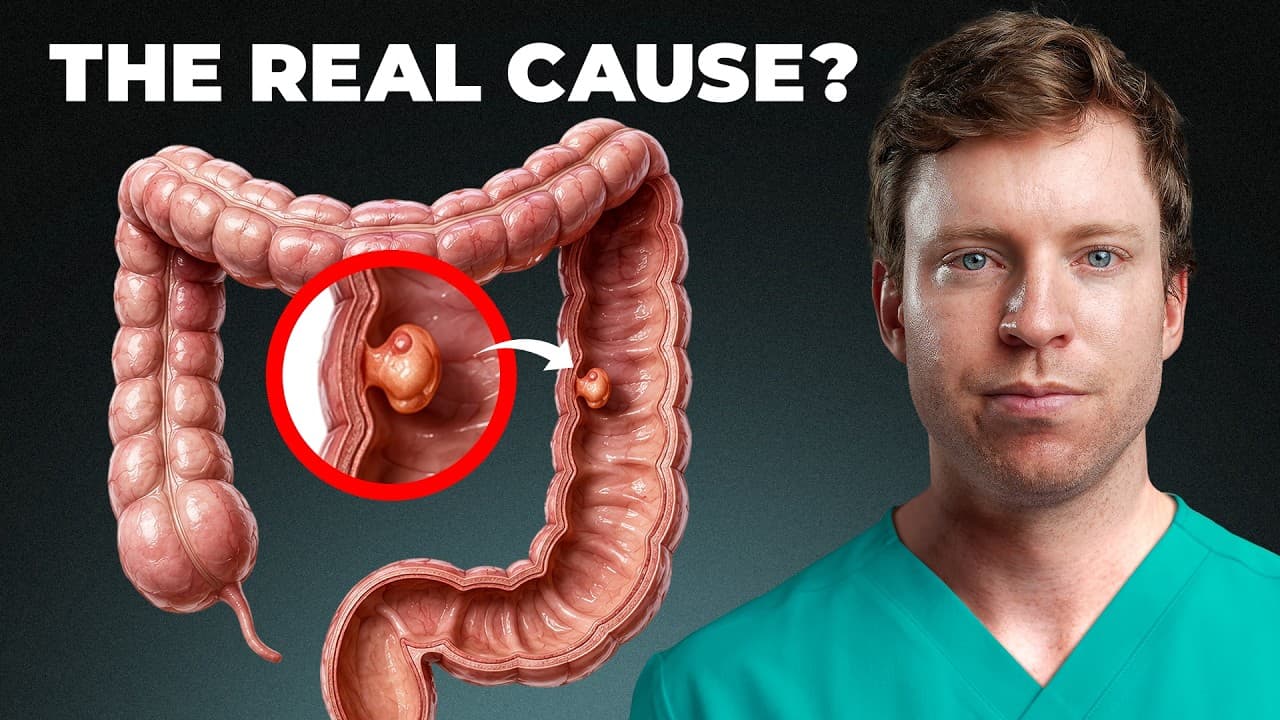
Colorectal cancer diagnosed in adulthood can originate from DNA damage caused by colibactin-producing bacteria during early childhood.
What the research says
Supports is higher
Support is ahead, but a single strong opposing study can change this.
These are independent scores, not a percentage. Higher-grade studies count more, so a single strong opposing study can outweigh several weaker ones.
DNA damage from certain bacteria in early childhood may lead to colorectal cancer that appears later in adulthood.
See the scientific wording
Colorectal cancer diagnosed in adulthood can originate from DNA damage caused by colibactin-producing bacteria during early childhood.
What the research says
3 studiesStudy: Colibactin genes are highly prevalent in the developing infant gut microbiome
This study found that many babies have a type of gut bacteria that can damage DNA, and this happens during early childhood — the same time the claim says damage might start that leads to colon cancer decades later. So yes, it supports the idea.
Study: Geographic and age variations in mutational processes in colorectal cancer
This study found that a type of harmful bacteria called colibactin-producing E. coli leaves a unique DNA damage signature in colon cells, and this damage shows up more often in people who get colon cancer when they're young—suggesting the bacteria may have hurt their DNA when they were kids.
Study: Early-Life Mutagenesis and the Rise of Early-Onset Colorectal Cancer
This study suggests that harmful bacteria in the gut during childhood can accidentally damage DNA in the colon, and that damage can lie hidden for years until it turns into cancer in adulthood.
Score breakdown, mechanism chain, raw evidence, ideal studies needed & 3 supporting studies
Not medical advice. For informational purposes only. Always consult a qualified healthcare professional before making health decisions.