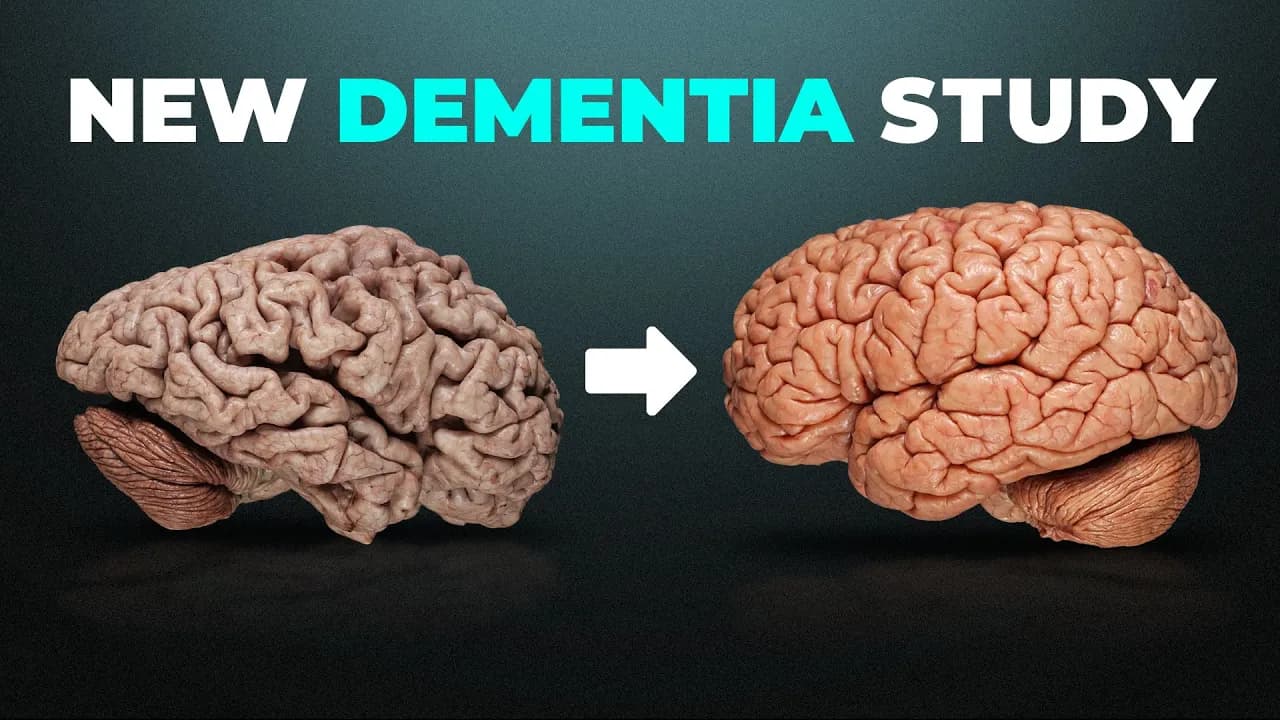
Early-onset colon cancer is associated with childhood bacterial DNA damage, ultra-processed food intake, and environmental exposures like herbicides.

Original: What’s Causing Colon Cancer to Rise So Fast?

53
Pro
0
Against
10 claims

TL;DR

Evidence supports a multifactorial origin of rising early-onset colon cancer, with strong correlational links to bacterial toxins, diet, and epigenetic markers, but no single cause confirmed.

Quick Answer

The rise in early-onset colon cancer is linked to three distinct, concurrent factors: exposure to the herbicide picloram (associated with a 1.56x increased risk via methylation signatures), childhood colonization by pks+ E. coli bacteria producing the DNA-damaging toxin colibactin (found in 21% of all colon cancers with mutations originating in early life), and high consumption of ultra-processed foods (linked to a 45% higher risk of precancerous adenomas). No single cause explains the trend; instead, multiple environmental and biological factors interact across the lifespan.

Claims (10)

1. People with obesity have a higher chance of developing colorectal cancer compared to those without obesity, with men showing a greater increase in risk than women.

64·064 studiesView Evidence →

2. People who consume more dietary fiber relative to their total energy intake have a lower likelihood of developing colorectal cancer.

60·063 studiesView Evidence →

3. People who are more physically active tend to have a lower risk of developing colorectal cancer, while those who spend more time sitting have a higher risk.

59·053 studiesView Evidence →

4. People who eat 10 servings of ultra-processed foods per day have a 45% higher rate of developing colorectal adenomas than those who eat three servings per day.

59·072 studiesView Evidence →

5. Over the last 20 years, the number of new cases of colorectal cancer in people under 50 has roughly doubled compared to earlier rates.

59·0104 studiesView Evidence →

6. DNA damage from certain bacteria in early childhood may lead to colorectal cancer that appears later in adulthood.

50·093 studiesView Evidence →

7. Certain strains of Escherichia coli that produce colibactin cause distinct double-strand breaks in the DNA of cells lining the colon, leading to characteristic mutation patterns known as SBS88 and ID18.

49·0104 studiesView Evidence →

8. A bacterial toxin called colibactin can cause DNA damage in children, and this damage can be found as one of the earliest genetic changes in tumors that develop in the colon later in life.

48·092 studiesView Evidence →

9. In the United States, the number of people under age 50 diagnosed with colorectal cancer has risen significantly since the 1990s, from about 8.6 to 12.9 cases per 100,000 people.

48·0105 studiesView Evidence →

10. People exposed to the herbicide picloram may show distinct patterns of DNA methylation in colorectal tumors that develop at an early age.

46·083 studiesView Evidence →
Scroll for more claims

Key Takeaways

  • Problem: Colon cancer is happening much more often in people under 50 than it used to, and scientists don’t know why.
  • Core methods: Exposure to picloram herbicide, colonization by pks+ E. coli bacteria producing colibactin, and eating many ultra-processed foods.
  • How methods work: Picloram leaves chemical marks on DNA that change how genes behave; pks+ E. coli bacteria make a toxin that breaks DNA in the colon during childhood; ultra-processed foods may disrupt gut bacteria and reduce fiber, leading to precancerous growths.
  • Expected outcomes: People exposed to picloram have a 1.56x higher chance of colon cancer; 21% of all colon cancers show DNA damage from colibactin; eating 10 servings of ultra-processed foods daily raises precancerous growth risk by 45%.
  • Implementation timeframe: Colibactin damage happens in childhood; picloram exposure accumulates over decades; ultra-processed food effects appear over years of daily intake.

Overview

Early-onset colorectal cancer incidence has doubled in the past 20 years among individuals under 50, with no single explanation. Three research teams have independently identified three distinct contributing factors: epigenetic methylation signatures linked to picloram herbicide exposure, direct DNA damage from colibactin toxin produced by gut bacteria, and dietary intake of ultra-processed foods. Each mechanism operates on a different biological timescale and through different pathways, suggesting a multifactorial etiology.

Key Terms

early-onset colorectal cancermethylation signaturepicloramcolibactinpks+ E. colimutational signatureultra-processed foodsadenomaprospective cohortepigenetic proxy

How to Apply

  1. 1.Get a colon cancer screening test starting at age 45 (or at age 35 if you have family history or other risk factors); use a stool-based FIT test as a first step.
  2. 2.Increase daily dietary fiber intake by eating at least 5 servings of fruits, vegetables, whole grains, legumes, nuts, and seeds every day.
  3. 3.Reduce ultra-processed food intake by avoiding packaged snacks, soft drinks, processed meats, instant meals, and foods with unrecognizable ingredients like emulsifiers or modified starches.
  4. 4.Maintain a healthy body weight and engage in at least 150 minutes of moderate physical activity per week (e.g., brisk walking, cycling).
  5. 5.Do not ignore symptoms like blood in stool, persistent changes in bowel habits, unexplained weight loss, or abdominal pain — seek medical evaluation immediately.

Following these steps reduces the risk of developing precancerous adenomas and early-onset colon cancer by addressing all three identified risk pathways: improving gut health through fiber, reducing exposure to harmful dietary patterns, and enabling early detection through screening.

Studies from Description (12)

39
Colorectal cancer statistics, 2026
Systematic Review·Human & Review·2026
41
Epigenetic fingerprints link early-onset colon and rectal cancer to pesticide exposure
Case-Control Study·Human & Meta-Analysis & Review·2026
10
Modification of the existing maximum residue levels for picloram in animal commodities and honey
Systematic Review with Meta-Analysis·Animal & Meta-Analysis & Review·2024
48
The Rising Incidence of Early-Onset Colorectal Cancer in Germany.
Cross-Sectional Study·Human·2023
2
Colorectal Cancer in Younger Adults.
Narrative Review·Human & Review·2022
48
Geographic and age variations in mutational processes in colorectal cancer
Cross-Sectional Study·Human·2025
0
Up-regulation of the iC3b receptor (CR3) is neither necessary nor sufficient to promote neutrophil aggregation.
Computational/Algorithm Study·Computational·1988
55
Dietary fiber and colorectal cancer risk: a nested case-control study using food diaries.
Case-Control Study·Human·2010
39
Overweight and obesity significantly increase colorectal cancer risk: a meta-analysis of 66 studies revealing a 25–57% elevation in risk
Systematic Review with Meta-Analysis·Human & Meta-Analysis & Review·2024
2
Physical activity, sedentary behaviour, diet, and cancer: an update and emerging new evidence
Narrative Review·Review·2017
59
Association of ultra-processed food consumption with colorectal cancer risk among men and women: results from three prospective US cohort studies
Cohort Study·Human·2022
39
The diagnostic value of symptoms for colorectal cancer in primary care: a systematic review.
Systematic Review with Meta-Analysis·Meta-Analysis & Review·2011

Claims (10)

1. People with obesity have a higher chance of developing colorectal cancer compared to those without obesity, with men showing a greater increase in risk than women.

64·064 studiesView Evidence →

2. People who consume more dietary fiber relative to their total energy intake have a lower likelihood of developing colorectal cancer.

60·063 studiesView Evidence →

3. People who are more physically active tend to have a lower risk of developing colorectal cancer, while those who spend more time sitting have a higher risk.

59·053 studiesView Evidence →

4. People who eat 10 servings of ultra-processed foods per day have a 45% higher rate of developing colorectal adenomas than those who eat three servings per day.

59·072 studiesView Evidence →

5. Over the last 20 years, the number of new cases of colorectal cancer in people under 50 has roughly doubled compared to earlier rates.

59·0104 studiesView Evidence →

6. DNA damage from certain bacteria in early childhood may lead to colorectal cancer that appears later in adulthood.

50·093 studiesView Evidence →

7. Certain strains of Escherichia coli that produce colibactin cause distinct double-strand breaks in the DNA of cells lining the colon, leading to characteristic mutation patterns known as SBS88 and ID18.

49·0104 studiesView Evidence →

8. A bacterial toxin called colibactin can cause DNA damage in children, and this damage can be found as one of the earliest genetic changes in tumors that develop in the colon later in life.

48·092 studiesView Evidence →

9. In the United States, the number of people under age 50 diagnosed with colorectal cancer has risen significantly since the 1990s, from about 8.6 to 12.9 cases per 100,000 people.

48·0105 studiesView Evidence →

10. People exposed to the herbicide picloram may show distinct patterns of DNA methylation in colorectal tumors that develop at an early age.

46·083 studiesView Evidence →
Scroll for more claims

Related Content