The Claim
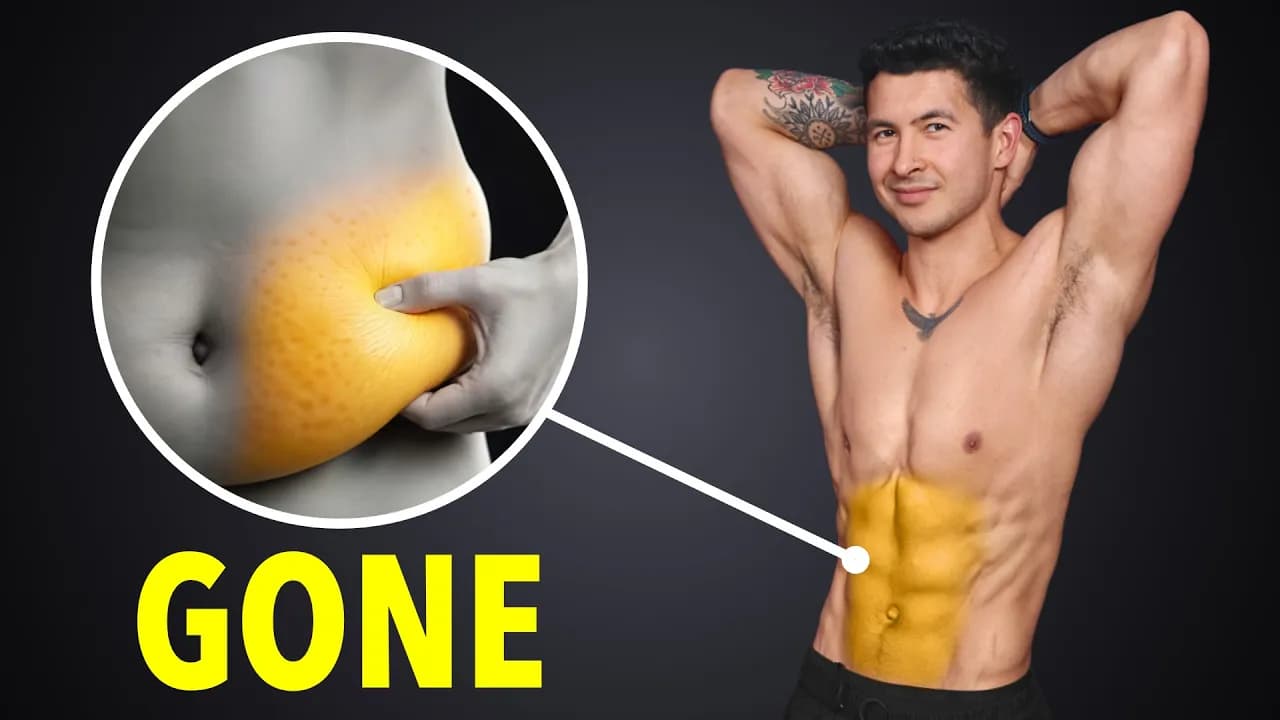
When fat is mobilized from adipose tissue without concurrent oxidation, there is no net reduction in adipose tissue mass.
What the research says
Supports is higher
Support is ahead, but a single strong opposing study can change this.
These are independent scores, not a percentage. Higher-grade studies count more, so a single strong opposing study can outweigh several weaker ones.
If fat is released from fat stores but not burned for energy, the total amount of fat in the body does not decrease.
See the scientific wording
Fat mobilization without concurrent fat oxidation results in no net reduction in adipose tissue mass.
When fat is pulled out of fat cells but not burned for energy, the fatty acids circulate in the blood and get put back into fat cells, so the body doesn't lose any fat.
What the research says
4 studiesYour body can pull fat out of storage, but if it doesn’t burn that fat for energy, the fat just sits around. This study showed that when people exercised and burned more fat, they lost fat — but if they didn’t burn it, they didn’t lose any.
Study: Adipose Tissue Resistance to the Antilipolytic Effect of Insulin and Niacin in Humans With Obesity.
If fat is pulled out of fat stores but not burned for energy, your body doesn’t lose fat — and this study shows that in obese people, fat keeps getting released even when it shouldn’t, meaning it just sits around instead of being used up.
The study shows that just breaking down fat isn't enough to lose weight — your body also needs to burn it for energy. When people broke down fat but didn’t burn it much, their fat stores didn’t shrink.
Study: Spot reduction: why exercise probably can’t help you target fatty areas of the body
You can't lose fat just from your belly by doing crunches—your body burns fat from all over when you use more energy than you eat. Mobilizing fat from one spot doesn't make it disappear there unless your body actually burns it for energy.
Related videos
Score breakdown, mechanism chain, raw evidence, ideal studies needed & 4 supporting studies
Not medical advice. For informational purposes only. Always consult a qualified healthcare professional before making health decisions.