The Claim
Higher dietary fiber intake density (grams per megajoule of energy) is associated with a 34% lower odds of developing colorectal cancer.
What the research says
Supports is higher
Support is ahead, but a single strong opposing study can change this.
These are independent scores, not a percentage. Higher-grade studies count more, so a single strong opposing study can outweigh several weaker ones.
People who consume more dietary fiber relative to their total energy intake have a lower likelihood of developing colorectal cancer.
See the scientific wording
Higher dietary fiber intake density (grams per megajoule of energy) is associated with a 34% lower odds of developing colorectal cancer.
What the research says
3 studiesStudy: Dietary fiber and colorectal cancer risk: a nested case-control study using food diaries.
People who ate more fiber relative to how much food they ate were much less likely to get colon cancer, according to a careful study that tracked what people actually ate.
Eating more fiber-rich foods like fruits, veggies, and whole grains is linked to a lower chance of getting colon cancer, especially for the most common type of this cancer. This study helps explain why some past studies seemed mixed — fiber helps, but not equally for all cancer types.
People who eat more fiber are less likely to get colon cancer, and this big study found that low-fiber diets are linked to more cases of colon cancer around the world.
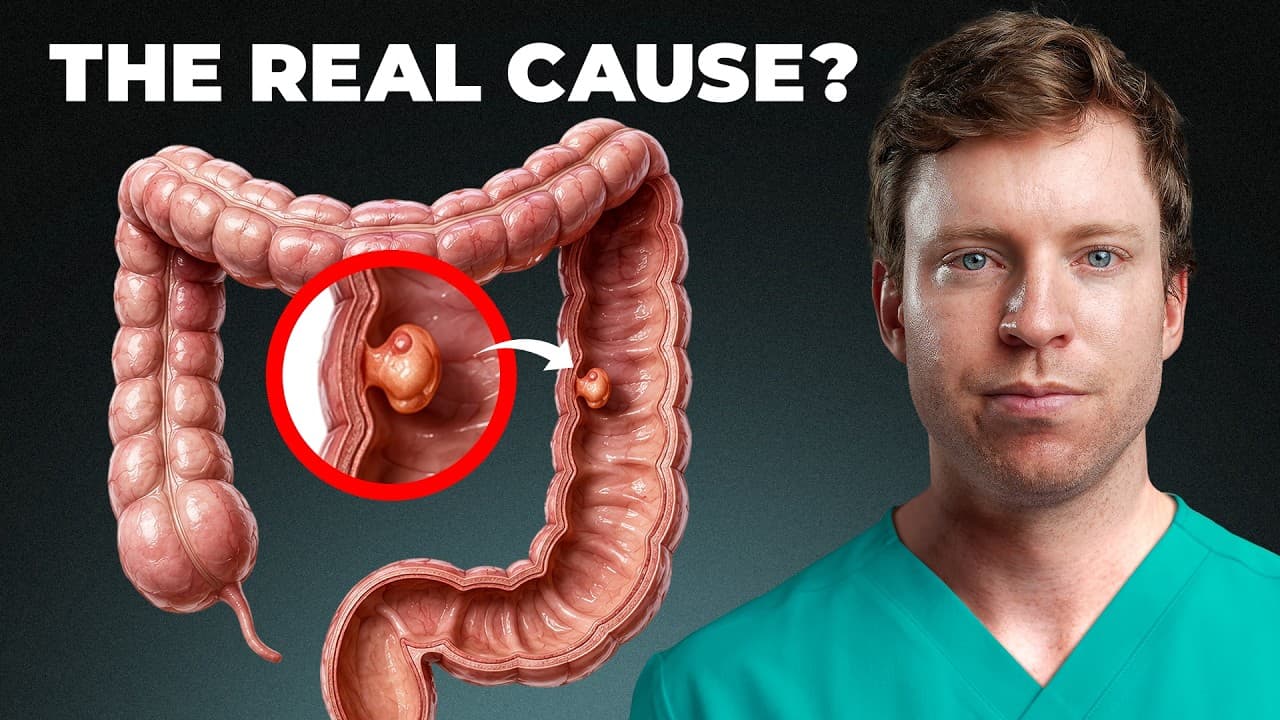
Score breakdown, mechanism chain, raw evidence, ideal studies needed & 3 supporting studies
Not medical advice. For informational purposes only. Always consult a qualified healthcare professional before making health decisions.