The Claim
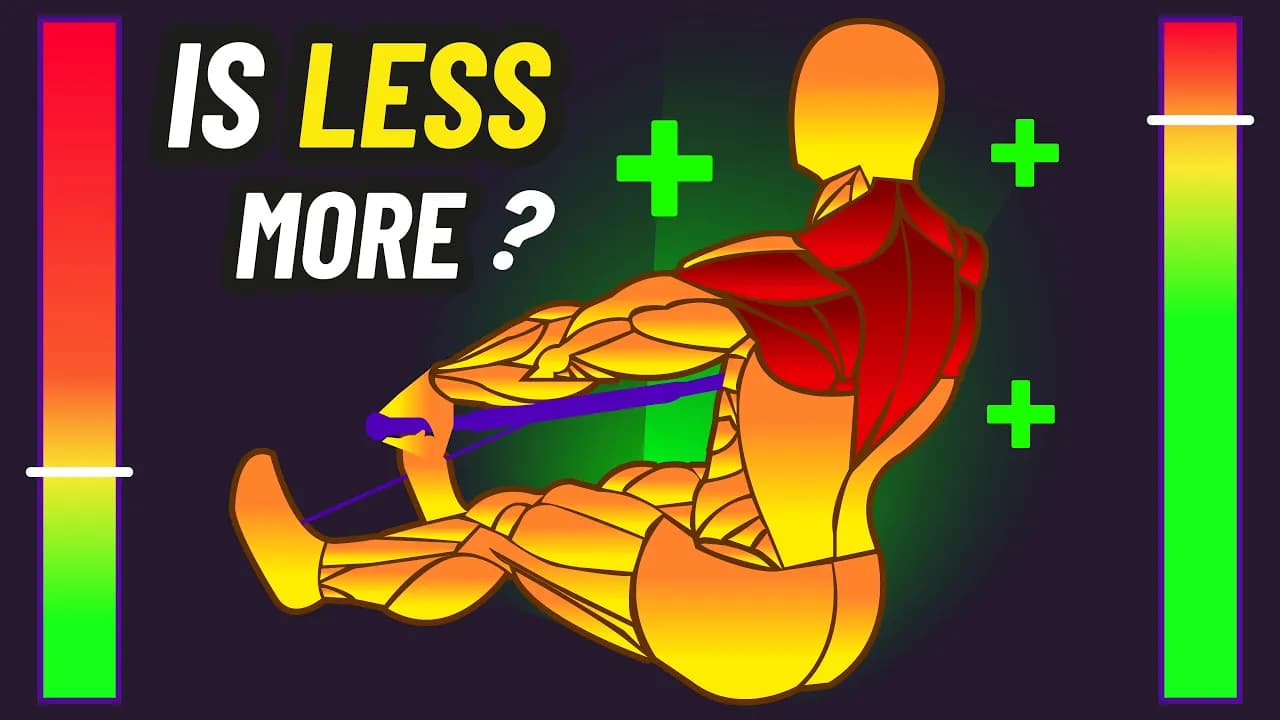
Low-volume resistance training protocols can induce muscular hypertrophy but are generally suboptimal for maximizing muscle growth compared to moderate-to-high volume resistance training protocols.
What the research says
Supports is higher
Support is ahead, but a single strong opposing study can change this.
These are independent scores, not a percentage. Higher-grade studies count more, so a single strong opposing study can outweigh several weaker ones.
Resistance training with fewer sets and repetitions can still lead to muscle growth, but it typically results in less growth than training with more sets and repetitions.
See the scientific wording
Low-volume resistance training protocols can induce muscular hypertrophy but are generally suboptimal for maximizing growth compared to moderate-to-high volume protocols.
More sets and reps trigger stronger and longer-lasting signals in muscle cells that turn on the machinery for building new muscle proteins, leading to bigger fibers. Fewer sets activate this machinery too, but not as strongly or for as long, so the muscle grows less.
What the research says
3 studiesStudy: Is There Too Much of a Good Thing?
Doing more sets per workout generally builds more muscle, but after a certain point, adding extra sets stops making a big difference. This means light workouts can grow muscle, but heavier workouts are better for getting the most growth possible.
More sets and reps usually make your muscles grow bigger, but even a few sets can still help—just not as much as doing more. This study looked at lots of workouts and found that more volume = more muscle, but with diminishing returns.
The study shows that while doing a small amount of weightlifting still builds muscle, doing more sets and reps leads to significantly bigger muscle gains, especially in older women.
Related videos
Score breakdown, mechanism chain, raw evidence, ideal studies needed & 3 supporting studies
Not medical advice. For informational purposes only. Always consult a qualified healthcare professional before making health decisions.