The Claim
Negative energy balance is the primary driver of body fat loss, and the magnitude of this energy deficit determines the extent of fat loss more than the type of exercise performed.
What the research says
Supports is higher
Support is ahead, but a single strong opposing study can change this.
These are independent scores, not a percentage. Higher-grade studies count more, so a single strong opposing study can outweigh several weaker ones.
To lose body fat, you must consume fewer calories than you expend, and the size of this calorie deficit has a greater impact on fat loss than whether you do running, weightlifting, or other forms of exercise.
See the scientific wording
Negative energy balance is the primary driver of body fat loss, and its magnitude determines fat loss outcomes more than exercise modality.
What the research says
5 studiesAll the women lost weight by eating fewer calories and exercising, but those who cut calories slowly had better health results than those who cut a lot quickly. This suggests that how big the calorie deficit is matters more than what kind of exercise you do.
When people burn more calories than they eat, they lose fat—no matter what diet they follow or where they are. This study showed that even in a tough environment like high altitude, people lost the same amount of fat just because they ate less, not because of what they ate.
Study: Spot reduction: why exercise probably can’t help you target fatty areas of the body
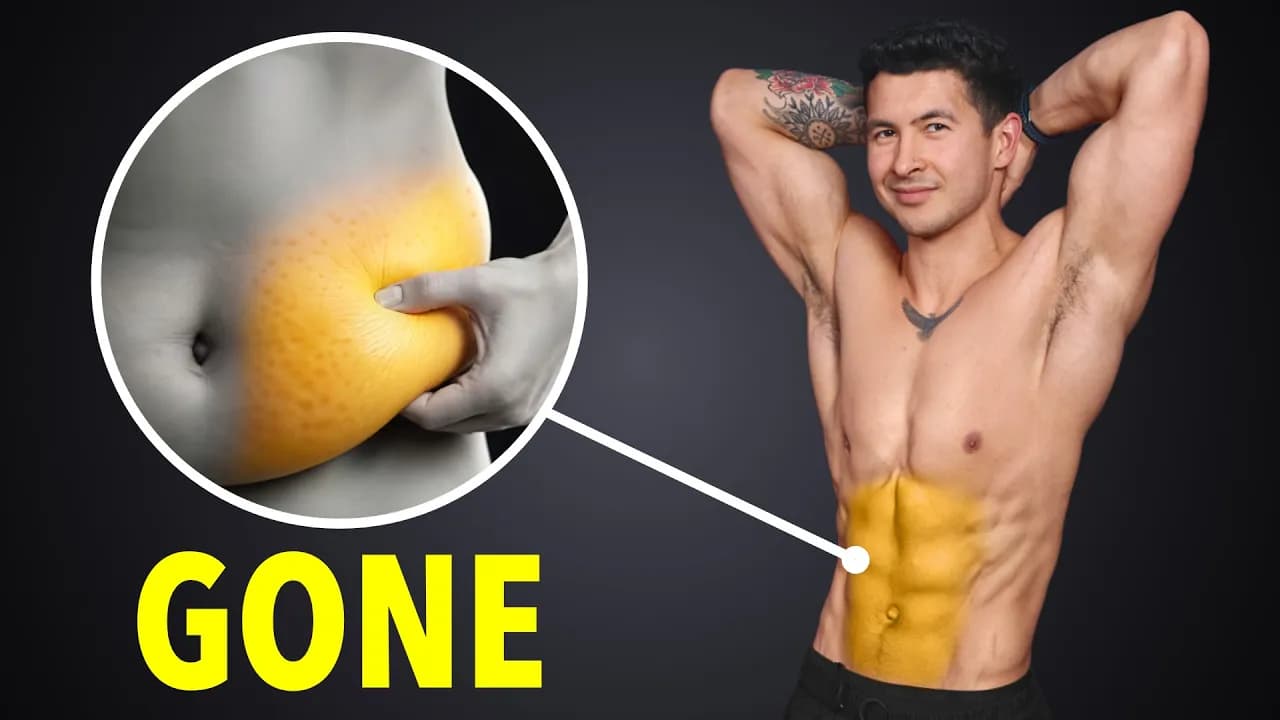
You can't choose where you lose fat by doing specific exercises—like crunches for belly fat. The only way to lose fat is to burn more calories than you eat, and your body decides where to take fat from, not your workout.
When people lose weight by eating less, their body sometimes loses muscle too — but this study found that blocking certain signals can help keep the muscle while making fat loss even better. This still means eating fewer calories is the main reason for losing fat.
Related videos
Score breakdown, mechanism chain, raw evidence, ideal studies needed & 5 supporting studies
Not medical advice. For informational purposes only. Always consult a qualified healthcare professional before making health decisions.