The Claim
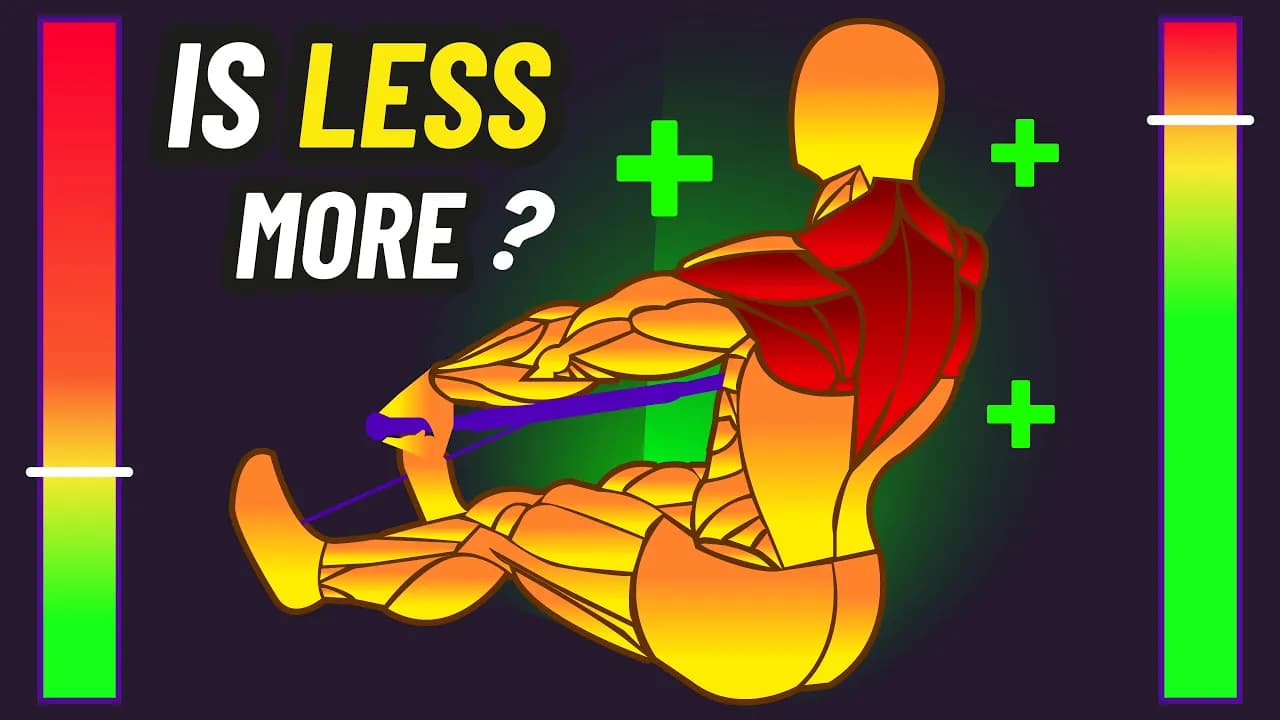
Performing approximately two direct working sets per exercise session maximizes neuromuscular strength gains, establishing a lower training volume threshold for strength adaptation than for muscle hypertrophy.
What the research says
Supports is higher
Support is ahead, but a single strong opposing study can change this.
These are independent scores, not a percentage. Higher-grade studies count more, so a single strong opposing study can outweigh several weaker ones.
If you want to get stronger, doing about two hard sets per exercise in each workout is actually the sweet spot. You don't need to do as many sets to build strength as you do to build bigger muscles.
See the scientific wording
Neuromuscular strength gains are maximized at approximately 2 direct sets per session, indicating a lower volume threshold for strength adaptation compared to hypertrophy.
When you lift weights, your brain sends stronger signals to your muscles to make them contract harder. After just a few sets, your nervous system reaches its maximum ability to activate those muscles, so doing more sets doesn't make you stronger. But to make muscles bigger, you need to keep stressing them with more sets to trigger growth processes that take longer to activate.
What the research says
2 studiesStudy: Is There Too Much of a Good Thing?
The research shows that lifting about two sets per workout is enough to maximize strength gains, while building muscle size requires significantly more sets. This means your body hits a strength plateau much faster than it hits a muscle-building plateau.
This study found that you don’t need to do a lot of sets to get stronger—after a few, you stop gaining much more. But to get bigger muscles, you need to keep doing more sets. So yes, two hard sets per exercise might be enough for strength, but you need more for muscle growth.
Related videos
Score breakdown, mechanism chain, raw evidence, ideal studies needed & 2 supporting studies
Not medical advice. For informational purposes only. Always consult a qualified healthcare professional before making health decisions.