The Claim
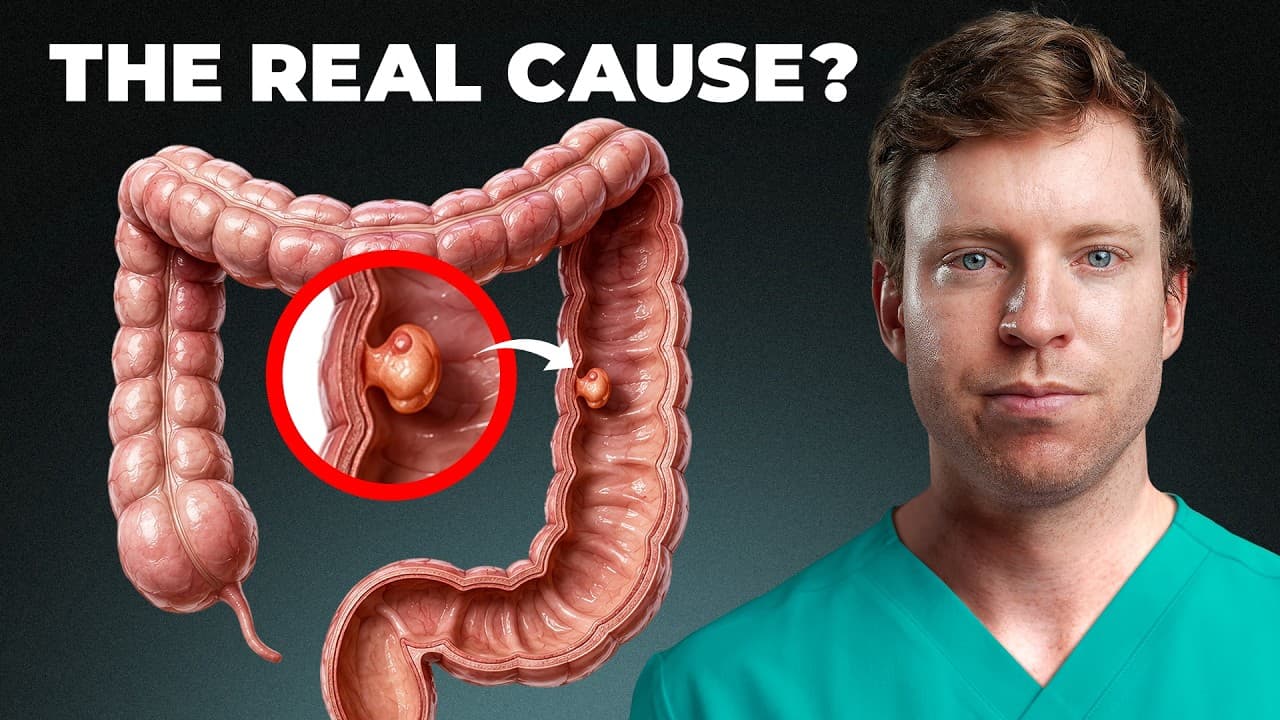
Obesity is associated with a 36% higher risk of developing colorectal cancer, with a 57% higher risk in men and a 25% higher risk in women.
What the research says
Supports is higher
Support is ahead, but a single strong opposing study can change this.
These are independent scores, not a percentage. Higher-grade studies count more, so a single strong opposing study can outweigh several weaker ones.
People with obesity have a higher chance of developing colorectal cancer compared to those without obesity, with men showing a greater increase in risk than women.
See the scientific wording
Obesity is associated with a 36% higher risk of developing colorectal cancer, with a 57% higher risk in men and a 25% higher risk in women.
What the research says
4 studiesStudy: Body Mass Index and Risk of Colorectal Cancer Incidence and Mortality in Asia
This study found that people who are overweight or obese have a higher chance of getting colon cancer, especially men. It confirms that being heavier is linked to more cancer cases, just like the claim says.
This study found that people who stayed obese as young adults had a slightly higher chance of getting colon cancer before age 50. So yes, being obese is linked to more colon cancer, just like the claim says.
Study: Association of Overweight, Obesity, and Recent Weight Loss With Colorectal Cancer Risk
Being overweight or obese makes it more likely to get colon cancer, especially if you’ve been heavy for many years. The study shows this link is even stronger than some numbers suggest because people often lose weight right before being diagnosed, which can hide the real risk.
This big study looked at lots of people and found that being overweight or obese makes you more likely to get colon cancer — about 36% more overall, with men at higher risk than women. The numbers match exactly what the claim says.
Score breakdown, mechanism chain, raw evidence, ideal studies needed & 4 supporting studies
Not medical advice. For informational purposes only. Always consult a qualified healthcare professional before making health decisions.