The Claim
The relative proportions of dietary macronutrients (fat, carbohydrate, protein) are less predictive of coronary heart disease risk than the nutritional quality of food sources consumed.
What the research says
Supports is higher
Support is ahead, but a single strong opposing study can change this.
These are independent scores, not a percentage. Higher-grade studies count more, so a single strong opposing study can outweigh several weaker ones.
It doesn’t matter as much how much fat, carbs, or protein you eat—what really matters is whether the foods you eat are healthy or processed.
See the scientific wording
The relative proportions of dietary macronutrients (fat, carbohydrate, protein) are less predictive of coronary heart disease risk than the nutritional quality of food sources consumed.
What the research says
4 studiesThis study found that eating healthy plant foods like vegetables and whole grains lowers heart disease risk, but eating unhealthy plant foods like sugary snacks doesn’t help—even if they’re plant-based. So what you eat matters more than just how much fat, carbs, or protein you consume.
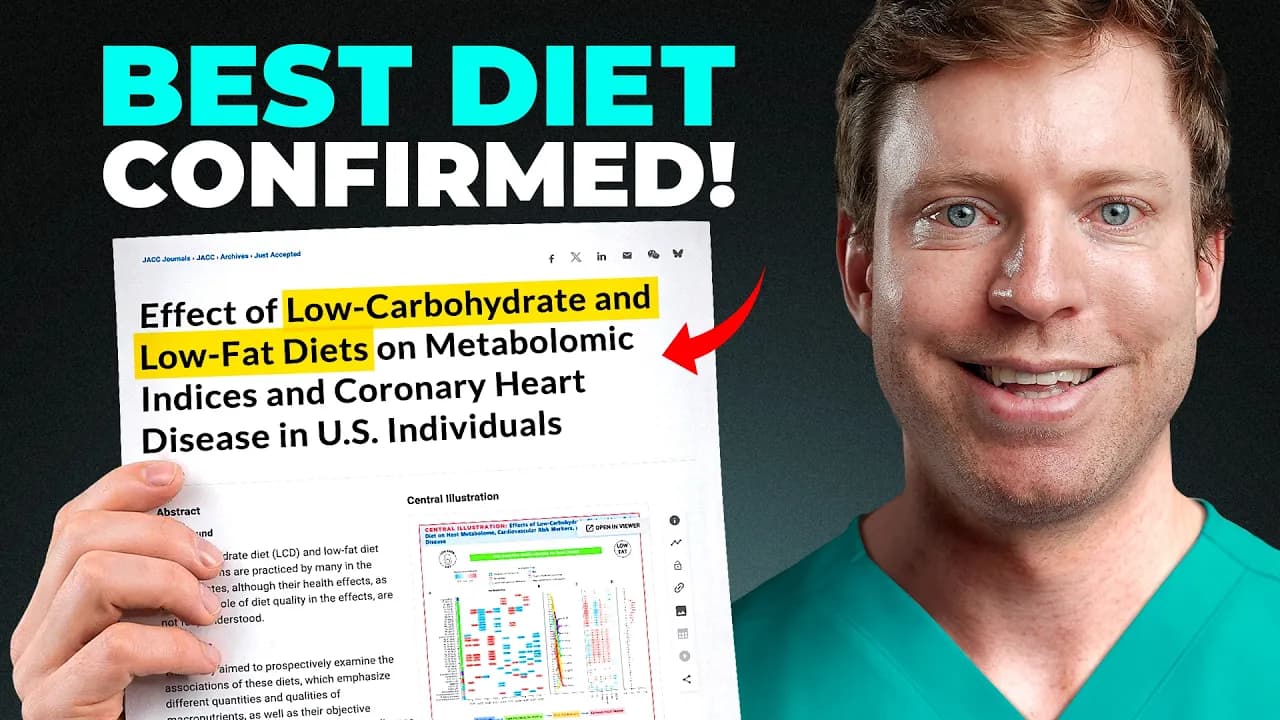
Whether you eat low-carb or low-fat, what matters most is whether your food is healthy (like veggies and whole grains) or unhealthy (like processed meats and sugary snacks)—healthy foods lower heart disease risk no matter the diet type.
The study found that it doesn’t matter as much how much fat, carbs, or protein you eat — what matters more is where that fat comes from. Eating saturated fat from yogurt or fish is linked to lower heart disease risk, but from butter or red meat is linked to higher risk.
Whether you eat low-carb or low-fat, what matters most is whether your food is healthy (like veggies and whole grains) or unhealthy (like processed meats and sugary snacks)—healthy food lowers heart disease risk no matter the diet type.
Related videos
Score breakdown, mechanism chain, raw evidence, ideal studies needed & 4 supporting studies
Not medical advice. For informational purposes only. Always consult a qualified healthcare professional before making health decisions.