The Claim
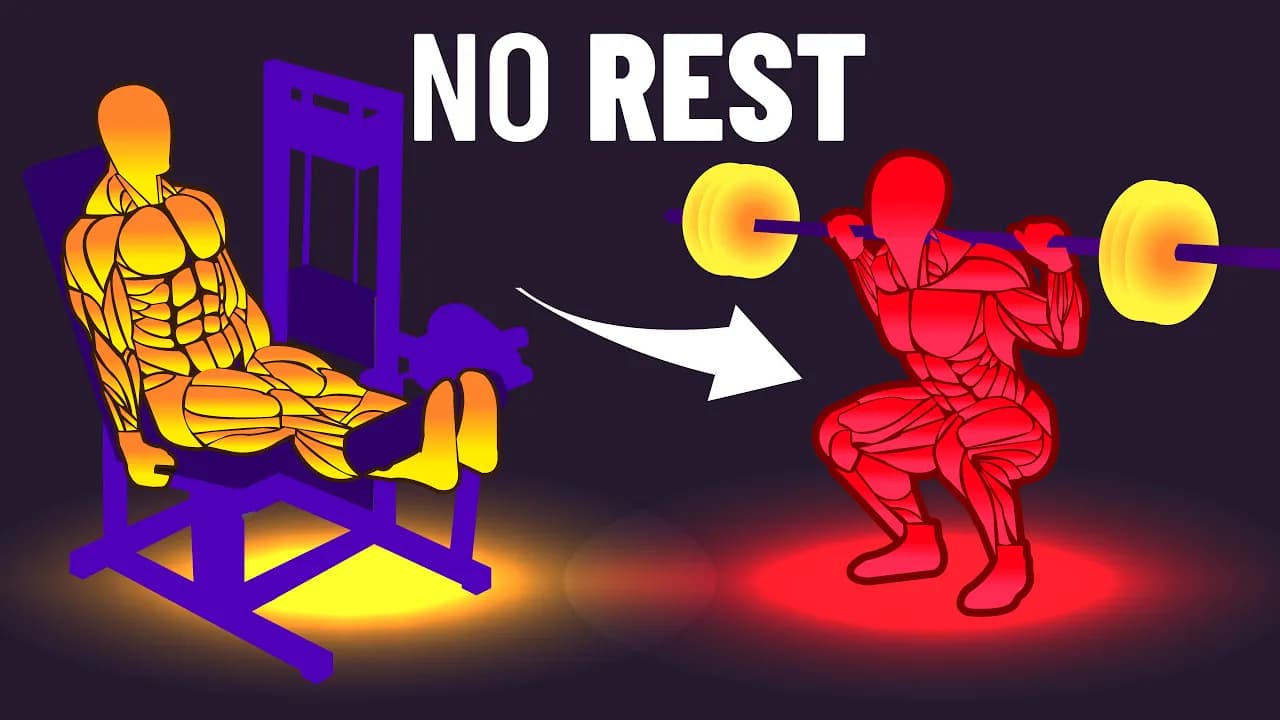
Traditional resistance training, which involves completing all sets per exercise before moving to the next, may yield slightly greater hypertrophy than pre-exhaustion training, though the difference is minimal and statistically uncertain.
What the research says
Supports is higher
Support is ahead, but a single strong opposing study can change this.
These are independent scores, not a percentage. Higher-grade studies count more, so a single strong opposing study can outweigh several weaker ones.
Doing all your sets for one exercise before switching to the next might build a tiny bit more muscle than mixing exercises up, but it's such a small difference we can't be sure it's real.
See the scientific wording
Traditional resistance training (completing all sets per exercise before moving to the next) may yield slightly greater hypertrophy than pre-exhaustion, though the difference is minimal and statistically uncertain.
When all sets of one exercise are done before switching to another, the same muscle group experiences repeated, uninterrupted tension, which activates more muscle fibers over time. When exercises are mixed, the muscle gets shorter rest periods between efforts, reducing the total time under high tension and limiting full fiber recruitment.
What the research says
2 studiesThis study found that doing all your sets for one exercise before switching to the next doesn’t build noticeably more muscle than mixing up exercises first. The differences were so tiny that they could just be random noise.
Related videos
Score breakdown, mechanism chain, raw evidence, ideal studies needed & 2 supporting studies
Not medical advice. For informational purposes only. Always consult a qualified healthcare professional before making health decisions.