The Claim
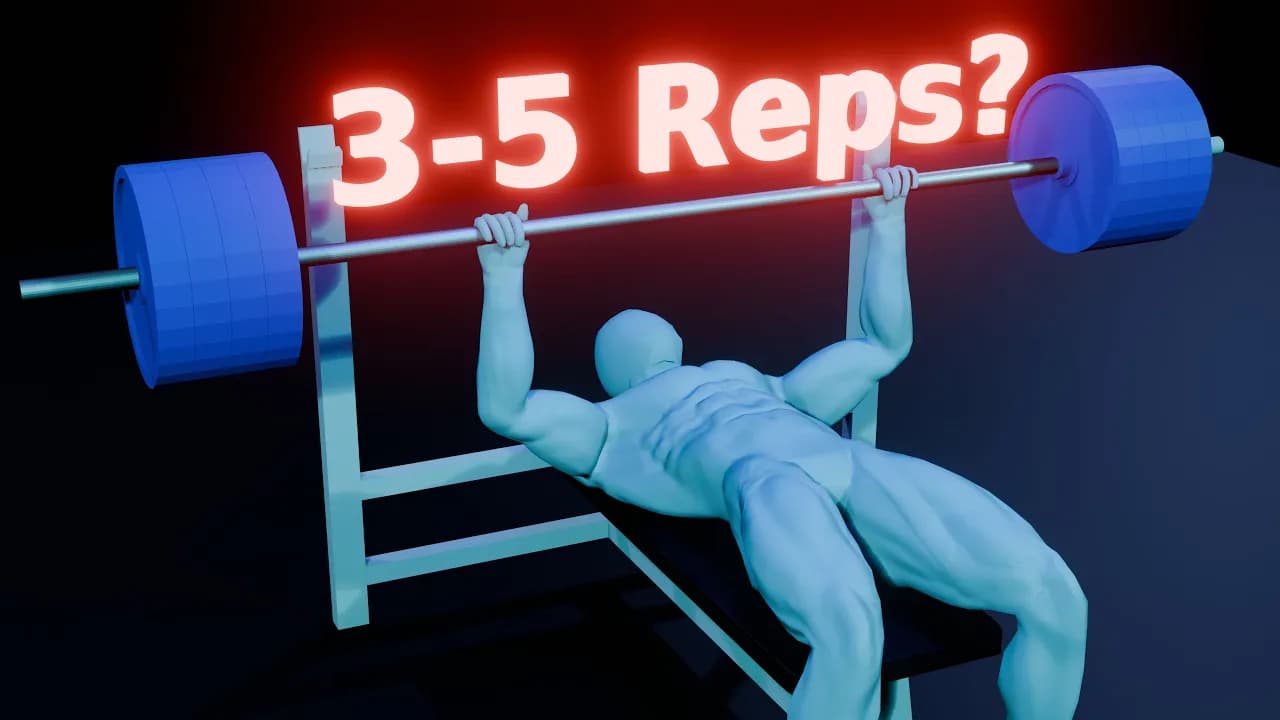
When training volume is equated, low-repetition maximum (3RM) resistance training produces similar muscle hypertrophy but greater strength gains compared to high-repetition maximum (10RM) resistance training.
What the research says
Supports is higher
Support is ahead, but a single strong opposing study can change this.
These are independent scores, not a percentage. Higher-grade studies count more, so a single strong opposing study can outweigh several weaker ones.
If you lift heavy weights for fewer reps and lighter weights for more reps but do the same total work, you'll build about the same muscle size, but you'll get stronger faster with the heavy weights.
See the scientific wording
When volume is equated, low-rep training (3RM) produces similar hypertrophy but greater strength gains compared to high-rep training (10RM).
Lifting heavy weights with few reps trains the nervous system to activate more muscle fibers at the same time and fire them faster, making the muscle produce more force without needing to grow bigger. This happens because the brain and spinal cord get better at sending strong, coordinated signals to the muscles during intense efforts.
What the research says
3 studiesWhen people lift heavy weights for few reps or light weights for many reps but do the same total amount of work, they build similar amounts of muscle. But lifting heavy tends to make you stronger, especially in big movements like squats and deadlifts.
The study looked at two workout styles with the same total work: one with few heavy lifts and one with many lighter lifts. It found both built similar muscle size, but the heavy-lift group got stronger faster, just like the claim said.
The study shows that lifting heavier weights fewer times (like 3 reps) makes you stronger than lifting lighter weights more times (like 10 reps) when the total work is the same, but both ways build muscle equally.
Related videos
Score breakdown, mechanism chain, raw evidence, ideal studies needed & 3 supporting studies
Not medical advice. For informational purposes only. Always consult a qualified healthcare professional before making health decisions.