The Claim
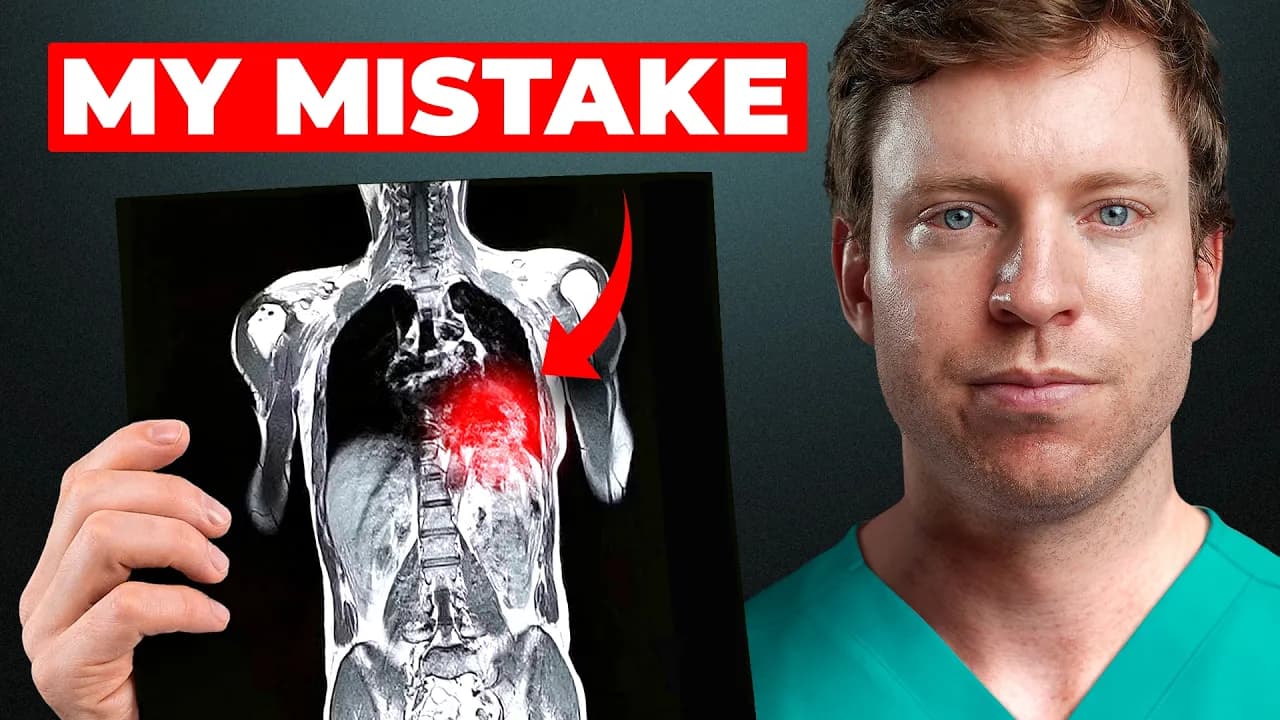
Whole-body MRI scans have the potential to produce false-negative results, which can result in delayed diagnosis and lead to catastrophic clinical outcomes.
What the research says
Challenges is higher
Challenge is ahead, but a single strong supporting study can change this.
These are independent scores, not a percentage. Higher-grade studies count more, so a single strong opposing study can outweigh several weaker ones.
Sometimes, a full-body MRI scan might miss a serious problem, making doctors think everything’s fine when it’s not — and that delay could lead to really bad health results.
See the scientific wording
Whole-body MRI scans can produce false-negative results, leading to delayed diagnosis and catastrophic clinical outcomes.
What the research says
3 studiesThis study found that whole-body MRI often misses cancer spread in the lymph nodes, while a different scan (PSMA-PET) catches it much more often — meaning MRI can give false reassurance and delay treatment.
Related videos
Score breakdown, mechanism chain, raw evidence, ideal studies needed & 3 supporting studies
Not medical advice. For informational purposes only. Always consult a qualified healthcare professional before making health decisions.