The Claim
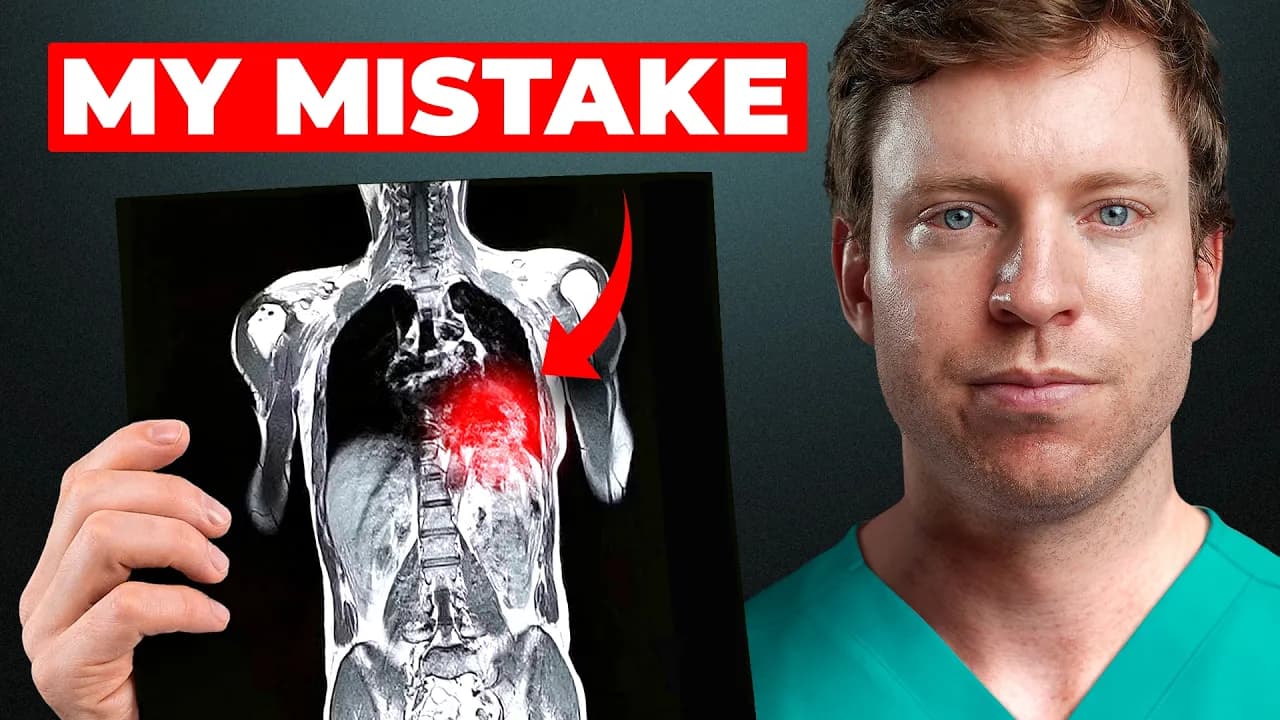
Whole-body MRI screening is not cost-effective because it results in high rates of incidental findings and has not been shown to reduce mortality.
What the research says
Supports is higher
Support is ahead, but a single strong opposing study can change this.
These are independent scores, not a percentage. Higher-grade studies count more, so a single strong opposing study can outweigh several weaker ones.
Getting a full-body MRI scan to check for problems isn't worth the cost because it often finds harmless things that cause stress and tests, and no one has proven it helps people live longer.
See the scientific wording
Whole-body MRI screening lacks evidence of cost-effectiveness due to high rates of incidental findings and absence of demonstrated mortality benefit.
What the research says
4 studiesThe study found that when people got full-body MRI scans, lots of them got unnecessary biopsies for things that weren’t cancer, and very few actual cancers were found. This means the scans cause more harm and cost than benefit, supporting the claim.
This study looked at using full-body MRI scans to find cancer in healthy people and found it rarely finds cancer, causes lots of false alarms, and we don’t know if it actually saves lives or is worth the cost — which is exactly what the claim says.
This study found that whole-body MRI scans on healthy people often find weird things that need more tests, which matches part of the claim. But it didn’t check if the scans save lives or cost too much, so we can’t say for sure if the whole claim is true.
Related videos
Score breakdown, mechanism chain, raw evidence, ideal studies needed & 4 supporting studies
Not medical advice. For informational purposes only. Always consult a qualified healthcare professional before making health decisions.