Lab Notes: What Science Says About Cancer Screening, Weight Loss Drugs, and Night Shifts
Weekly evidence-based insights from the world of fitness and health research
From the editor
Each week, Fit Body Science reviews the most important fitness and nutrition research — validating claims against the evidence and surfacing what actually matters. Here are this week's highlights.
Ovarian Cancer Screening: Does It Really Save Lives?
A landmark 16-year study from the UKCTOCS trial has delivered a sobering verdict on ovarian cancer screening. The research followed over 200,000 postmenopausal women and found that while annual screening using CA125 blood tests combined with ultrasound detected more cancers, it failed to reduce ovarian cancer mortality .
The numbers reveal a complex picture: multimodal screening detected 83.8% of cancers within one year with 99.8% specificity, while ultrasound-only caught 72.2% with 99.5% specificity . However, earlier detection didn't translate to lives saved. The study found a 39.2% increase in early-stage diagnoses (stage I/II) with screening, yet this did not translate to mortality reduction over the follow-up period .
Perhaps most concerning is the harm caused by false positives. Multimodal screening led to 14 unnecessary surgeries per 10,000 screens, while ultrasound-only resulted in 50 unnecessary surgeries . These surgeries expose women to surgical risks with no survival benefit. The researchers concluded that population screening for ovarian cancer should not be implemented for average-risk postmenopausal women . This challenges the intuitive assumption that finding cancer early always helps.
Ovarian cancer screening detects more tumors but doesn't reduce mortality, causing unnecessary surgical harm.
Read the full study review
Ovarian Cancer Screening: Does It Really Save Lives?
Ovarian cancer screening detects more tumors but doesn't reduce mortality, causing unnecessary surgical harm.
Retatrutide: The New Weight Loss Champion?
The pharmaceutical race for effective obesity treatment has a new contender. Retatrutide, a once-weekly subcutaneous injection, is showing remarkable results in clinical trials for weight loss .
Users of retatrutide were 18.4 times more likely to achieve at least 15% body weight loss compared to placebo . For context, this threshold represents what many consider clinically transformative weight loss—enough to significantly impact obesity-related health complications.
However, the drug isn't without side effects. Users experienced higher rates of nausea, vomiting, constipation, and hypersensitivity reactions compared to placebo . The silver lining? These side effects were predictable and non-severe, suggesting a manageable safety profile.
Beyond weight loss, the research hints at broader cardiovascular benefits. Weight reduction through pharmacological intervention appears to lower systemic inflammation and improve metabolic markers, thereby reducing cardiovascular risk . This positions retatrutide as potentially addressing not just the symptom (excess weight) but also the underlying metabolic dysfunction that drives heart disease.
Retatrutide produces 18.4-fold higher odds of achieving transformative weight loss, with manageable side effects.
See the evidence breakdown
“Retatrutide: The New Weight Loss Champion?”
Retatrutide produces 18.4-fold higher odds of achieving transformative weight loss, with manageable side effects.
Night Shift Work: The Hidden Health Toll
Working nights appears to come with a significant metabolic price. A large German population-based study investigated how night shift work affects the body's core systems .
The research examined associations between night shift work and markers of metabolism, cardiovascular health, and immune function. Given that millions of workers worldwide maintain irregular schedules—from healthcare workers to manufacturing staff—understanding these health impacts is crucial for public health planning.
While the full details of the study's conclusions weren't available, the research adds to a growing body of evidence that circadian disruption carries metabolic consequences. Previous studies have linked shift work to increased risks of obesity, diabetes, and heart disease. Understanding the specific mechanisms through which night work impacts health can help develop protective strategies for shift workers.
Night shift work is associated with metabolic, cardiovascular, and immune dysfunction in exposed populations.
Read the full study review
Night Shift Work: The Hidden Health Toll
Night shift work is associated with metabolic, cardiovascular, and immune dysfunction in exposed populations.
Whole-Body MRI: A New Frontier in Cancer Detection?
Imagine catching cancer before symptoms even appear. Whole-body MRI screening using the ONCO-RADS classification system is being evaluated for exactly this purpose .
The study examined cancer prevalence and reliability of ONCO-RADS classification in asymptomatic individuals undergoing whole-body MRI. This approach represents a shift from symptom-driven diagnosis toward proactive screening—potentially catching malignancies at their most treatable stages.
The research addresses a fundamental question in cancer screening: aggressive detection that finds indolent (slow-growing) tumors may not improve population-level mortality rates . This phenomenon, known as overdiagnosis, means finding more cancers isn't automatically beneficial. The ONCO-RADS system aims to distinguish between clinically significant cancers and harmless growths that would never threaten a person's life.
If validated, whole-body MRI screening could revolutionize preventive healthcare—though questions remain about cost, accessibility, and the psychological impact of incidental findings.
Whole-body MRI screening with ONCO-RADS classification evaluates cancer detection in asymptomatic individuals.
Read the full study review
Whole-Body MRI: A New Frontier in Cancer Detection?
Whole-body MRI screening with ONCO-RADS classification evaluates cancer detection in asymptomatic individuals.
Coffee and Memory: Fact or Fiction?
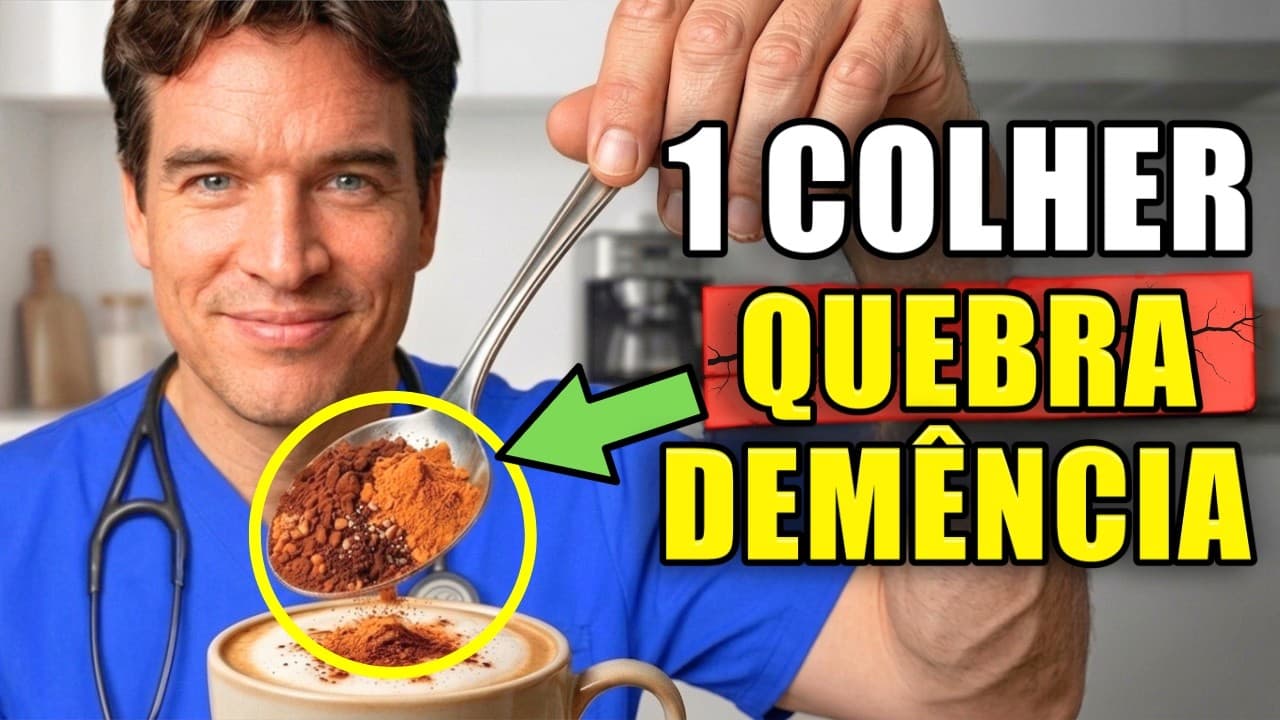
A viral video claims that adding a specific ingredient to coffee can protect your memory today. But before you revise your morning routine, let's examine what we're actually dealing with .
The video received a "Pro" score of 25.0 versus "Against" score of 12.0—indicating it contains some supported claims but also raises significant questions. Without access to the full summary or specific topics, we can't definitively evaluate the memory protection claim.
However, this serves as a reminder of the importance of evidence-based evaluation. Social media health claims often feature compelling narratives but lack rigorous scientific backing. When evaluating such claims, look for peer-reviewed studies, consider the source's expertise, and be skeptical of quick fixes for complex health issues.
The relationship between diet and cognitive function is well-established—but whether a single ingredient added to coffee delivers meaningful memory protection requires much more scrutiny than a viral video can provide.
Viral health claims about coffee additives warrant careful scientific evaluation before adoption.
Watch the full analysis
Coffee and Memory: Fact or Fiction?
The bottom line
This week's research delivers important reality checks: ovarian cancer screening, despite intuitive appeal, doesn't save lives and causes harm through unnecessary surgeries. Meanwhile, new weight loss drugs like retatrutide show genuine promise for addressing the obesity epidemic, though side effects require monitoring. Night shift workers should be aware of metabolic risks, while anyone considering whole-body cancer screening should understand the nuances of overdiagnosis. And as always, viral health claims deserve skeptical scrutiny before changing your habits.
Topics
Sources & References
Coffee and Memory: Fact or Fiction?
Viral health claims about coffee additives warrant careful scientific evaluation before adoption.
Ovarian Cancer Screening: Does It Really Save Lives?
Ovarian cancer screening detects more tumors but doesn't reduce mortality, causing unnecessary surgical harm.
Night Shift Work: The Hidden Health Toll
Night shift work is associated with metabolic, cardiovascular, and immune dysfunction in exposed populations.
Whole-Body MRI: A New Frontier in Cancer Detection?
Whole-body MRI screening with ONCO-RADS classification evaluates cancer detection in asymptomatic individuals.
Retatrutide: The New Weight Loss Champion?
Retatrutide produces 18.4-fold higher odds of achieving transformative weight loss, with manageable side effects.