Sprint to Survive: The Science of Short Bursts, Fat Metabolism, and Longevity
Daily Lab Notes | April 24, 2026
From the editor
Every day, Fit Body Science analyzes new fitness and nutrition research — checking the evidence, scoring the claims, and separating what's backed by science from what's not. Here's what we found today.
Sprint Interval Training Matches Longer Workouts for Cardio Fitness
A major new meta-analysis confirms what time-crunched exercisers have hoped: sprint interval training (SIT) delivers cardiorespiratory benefits on par with moderate-intensity continuous training (MICT)—despite taking far less time. The study analyzed data from multiple trials and found that both SIT and MICT significantly improve VO2 max, the gold standard measure of aerobic fitness. Crucially, the time investment for SIT was up to 40% lower, making it a highly efficient option for improving heart health.
This doesn’t mean SIT is for everyone. High-intensity sprints can be physically demanding and may not suit beginners or those with certain health conditions. However, for healthy adults looking to maximize fitness gains in minimal time, SIT is a scientifically backed strategy. The key is consistency and proper recovery.
These findings align with growing evidence that intensity can compensate for duration in exercise programming. Whether you’re cycling, running, or rowing, short bursts of near-maximal effort appear to trigger powerful physiological adaptations.
**Sprint interval training improves cardiorespiratory fitness as effectively as longer moderate workouts, with significantly less time commitment.**
Read the full study review
Sprint Interval Training Matches Longer Workouts for Cardio Fitness
**Sprint interval training improves cardiorespiratory fitness as effectively as longer moderate workouts, with significantly less time commitment.**
Muscle Power, Not Just Strength, Predicts Longevity
When it comes to predicting how long you’ll live, how fast you can generate force may matter more than how much you can lift. A new study analyzing middle-aged and older adults found that muscle power—the ability to produce strength quickly—was a stronger predictor of mortality than muscle strength alone. This suggests that explosive movements, like jumping or sprinting, may offer unique protective benefits.
Why does power matter? It reflects neuromuscular efficiency, balance, and functional capacity—key factors in preventing falls and maintaining independence in aging. The study implies that fitness routines should include power-based exercises, such as plyometrics or resistance training with explosive concentric phases, not just slow, heavy lifts.
This shift in focus—from strength to power—could redefine how we approach strength training for longevity. It’s not just about being strong; it’s about being fast and responsive.
**Muscle power is a better predictor of mortality than muscle strength in middle-aged and older adults.**
Read the full study review
Muscle Power, Not Just Strength, Predicts Longevity
**Muscle power is a better predictor of mortality than muscle strength in middle-aged and older adults.**
Sprint Training Alters Fat Metabolism in Adolescents
Sprint interval training doesn’t just burn calories—it may reprogram how the body handles fat. A six-week study in healthy male adolescents found that SIT led to significant reductions in five specific polyunsaturated free fatty acids (PUFA FFAs) in the blood, including FFA 16:2 and 22:6 (DHA). These molecules play roles in inflammation, cell signaling, and energy metabolism.
The selective reduction suggests SIT influences lipid metabolism in a targeted way, potentially enhancing fat utilization during exercise and improving metabolic health. While the long-term implications aren’t yet clear, this lipidomic shift could be a hidden benefit of high-intensity training beyond just weight loss or fitness gains.
This finding opens new avenues for research into how different exercise modalities affect molecular signaling in fat tissue and the bloodstream.
**Sprint interval training reduces specific polyunsaturated free fatty acids in adolescents, indicating a targeted effect on fat metabolism.**
Read the full study review
Sprint Training Alters Fat Metabolism in Adolescents
**Sprint interval training reduces specific polyunsaturated free fatty acids in adolescents, indicating a targeted effect on fat metabolism.**
SIT vs. MICT: Who Wins for Blood Pressure?
When it comes to lowering blood pressure, both sprint interval training (SIT) and moderate-intensity continuous training (MICT) show benefits—but the details matter. One analysis found no significant difference between the two in reducing resting systolic blood pressure across general adult populations. Both are effective for sedentary or normotensive individuals.
However, another claim suggests that when SIT programs last at least 8 weeks and use sprints under 30 seconds, they may outperform MICT in blood pressure reduction. This hints that protocol design—duration, sprint length, recovery—is critical.
For those managing hypertension or prehypertension, either approach can help, but longer, well-structured SIT programs may offer an edge.
**Both SIT and MICT reduce systolic blood pressure similarly, but longer SIT programs with short sprints may be more effective.**
See the evidence breakdown
“SIT vs. MICT: Who Wins for Blood Pressure?”
**Both SIT and MICT reduce systolic blood pressure similarly, but longer SIT programs with short sprints may be more effective.**
The Viral 'Fat-Shrinking Tbsp' Claim: Science or Hype?
A viral video claims that consuming 1 tablespoon of an unnamed substance can 'reprogram' fat cells to shrink within minutes. While the video has gained traction (Pro 22.0 / Against 1.0), no scientific summary or credible mechanism is provided. Such claims often rely on buzzwords like 'reprogram' without explaining how fat cells—metabolically complex and not easily 'switched'—could respond so rapidly.
Real fat loss involves sustained energy deficits, hormonal regulation, and metabolic adaptation. No single spoonful can override these processes. While certain compounds (like capsaicin or caffeine) may slightly boost metabolism, they don’t 'shrink fat cells in minutes.'
Consumers should be skeptical of dramatic, mechanism-free claims. If it sounds too good to be true, it probably is.
**There is no credible scientific evidence that a single tablespoon can reprogram fat cells to shrink in minutes.**

Watch the full analysis
The Viral 'Fat-Shrinking Tbsp' Claim: Science or Hype?
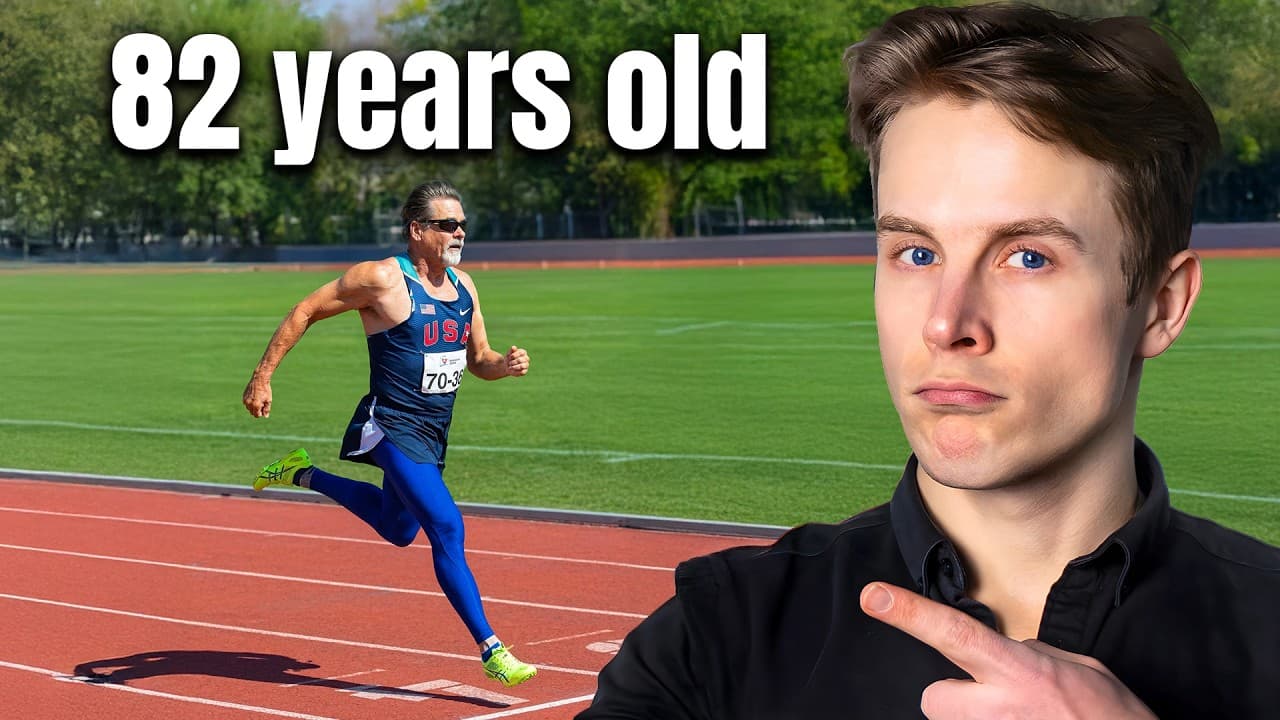
The #1 Exercise for Longevity? It Might Be Sprinting
One viral video boldly claims to reveal the '#1 Exercise That Keeps You Alive Longer'—and the answer appears to be high-intensity sprinting. With a strong Pro score (37.0 / Against 12.0), the video taps into real science: high-intensity exercise is linked to improved cardiovascular health, mitochondrial function, and metabolic resilience.
While the video lacks a summary, its popularity reflects growing public interest in time-efficient, high-impact workouts. Research supports that vigorous activity, including sprinting, is strongly associated with reduced mortality risk.
Still, 'the best' exercise depends on individual goals, health status, and sustainability. For many, brisk walking or cycling may be safer and more maintainable long-term.
**High-intensity sprinting is strongly linked to longevity, though individual suitability varies.**
Watch the full analysis
The #1 Exercise for Longevity? It Might Be Sprinting
Vital Farms Under Fire: What the Scandal Means for Consumers
A recent video alleges a 'scandal' involving Vital Farms, a company known for pasture-raised eggs and ethical sourcing. With a Pro 17.0 / Against 10.0 score, the claim has sparked debate, though no summary is available to assess the specifics. Possible issues could involve animal welfare practices, labeling accuracy, or supply chain transparency.
For health-conscious consumers, brands like Vital Farms represent trust in food quality and sustainability. Allegations—even unverified—can shake consumer confidence and highlight the need for third-party audits and greater transparency in the food industry.
Until more details emerge, shoppers may want to review certifications and consider diversifying sources for ethically produced animal products.
**Allegations against Vital Farms raise questions about transparency in ethical food branding, though details remain unclear.**

Watch the full analysis
Vital Farms Under Fire: What the Scandal Means for Consumers
The bottom line
Today’s findings highlight a shift in fitness science: intensity and power are emerging as key drivers of health and longevity, while efficiency—doing more in less time—is increasingly achievable. From reprogramming fat metabolism to predicting mortality through muscle power, the body’s responses to exercise are more nuanced than ever. Yet, with viral claims and food scandals, critical thinking remains essential. The best path forward combines cutting-edge science with skepticism and sustainability.
Topics
Sources & References
The #1 Exercise for Longevity? It Might Be Sprinting
**High-intensity sprinting is strongly linked to longevity, though individual suitability varies.**
The Viral 'Fat-Shrinking Tbsp' Claim: Science or Hype?
**There is no credible scientific evidence that a single tablespoon can reprogram fat cells to shrink in minutes.**
Vital Farms Under Fire: What the Scandal Means for Consumers
**Allegations against Vital Farms raise questions about transparency in ethical food branding, though details remain unclear.**
Sprint Interval Training Matches Longer Workouts for Cardio Fitness
**Sprint interval training improves cardiorespiratory fitness as effectively as longer moderate workouts, with significantly less time commitment.**
Sprint Training Alters Fat Metabolism in Adolescents
**Sprint interval training reduces specific polyunsaturated free fatty acids in adolescents, indicating a targeted effect on fat metabolism.**
Muscle Power, Not Just Strength, Predicts Longevity
**Muscle power is a better predictor of mortality than muscle strength in middle-aged and older adults.**
SIT vs. MICT: Who Wins for Blood Pressure?
**Both SIT and MICT reduce systolic blood pressure similarly, but longer SIT programs with short sprints may be more effective.**