Lab Notes: April 25, 2026 – Hormones, Habits, and Hidden Incentives
From brain scans to blood tests, here’s what the science says about weight loss, stress, and doctor incentives this week.
From the editor
Every day, Fit Body Science analyzes new fitness and nutrition research — checking the evidence, scoring the claims, and separating what's backed by science from what's not. Here's what we found today.
Retatrutide Shatters Weight Loss Expectations in Phase 2 Trial
A groundbreaking Phase 2 trial has placed retatrutide—a triple-hormone-receptor agonist—on the fast track as a potential game-changer in obesity treatment. By simultaneously activating receptors for glucagon, GLP-1, and GIP, retatrutide leverages multiple metabolic pathways to drive significant weight loss over 48 weeks. Participants saw dose-dependent reductions in body weight, with the highest dose yielding average losses exceeding 17%—a figure that outpaces current FDA-approved medications.
The implications are profound. Unlike single-target drugs like semaglutide, retatrutide’s multi-hormonal approach appears to amplify satiety, increase energy expenditure, and improve glucose control. While safety profiles were generally favorable, gastrointestinal side effects were common, especially at higher doses.
Still, researchers caution that long-term data and Phase 3 results are needed before widespread use. For now, retatrutide represents one of the most promising frontiers in pharmacologic weight management.
Key mechanisms under investigation:
- Enhanced insulin sensitivity
- Reduced appetite via central nervous system modulation
- Increased fat oxidation
**Retatrutide, a triple-hormone agonist, produced up to 17% average body weight loss in a 48-week Phase 2 trial, signaling a major leap in anti-obesity pharmacotherapy.**
Read the full study review
Retatrutide Shatters Weight Loss Expectations in Phase 2 Trial
**Retatrutide, a triple-hormone agonist, produced up to 17% average body weight loss in a 48-week Phase 2 trial, signaling a major leap in anti-obesity pharmacotherapy.**
Doctors’ Incentives Drive Real LDL Cholesterol Drops
A new study reveals that when physicians are financially motivated to lower their patients’ LDL cholesterol, the results are measurable and meaningful. Primary care doctors who supported incentive programs—especially those shared between doctor and patient—achieved significantly greater LDL reductions: −33.9 mg/dL for physician-incentivized models and −37.4 mg/dL when patients were also rewarded, compared to under −25 mg/dL in non-incentivized groups.
Even more telling, physicians with higher patient volumes were far more likely to back these programs—55% in favor versus just 35% among lower-volume peers. This suggests a growing recognition that structural incentives can align clinical behavior with patient outcomes.
Critically, attitudes didn’t shift over 12 months of participation—doctors who believed in incentives at the start stayed supportive. This stability strengthens the case for integrating performance-based models into preventive cardiology.
While ethical debates continue, the data is clear: when doctors and patients share a goal—and a reward—cholesterol control improves.
**Physicians who support financial incentives achieve significantly greater LDL cholesterol reductions in high-risk patients, especially when incentives are shared with patients.**
Read the full study review
Doctors’ Incentives Drive Real LDL Cholesterol Drops
**Physicians who support financial incentives achieve significantly greater LDL cholesterol reductions in high-risk patients, especially when incentives are shared with patients.**
Liraglutide Triggers Brain’s Food Reward System—Even as Weight Drops
New fMRI research uncovers a paradoxical brain response in obese adults taking liraglutide 3.0 mg: while the drug promotes weight loss, it simultaneously increases activation in the right orbitofrontal cortex (OFC)—a region tied to food reward and craving—when participants view high-calorie foods.
This effect only emerged after adjusting for weight loss, suggesting the brain is mounting a counter-regulatory response to defend against further weight decline. In raw, unadjusted scans, no significant change appeared—highlighting the importance of controlling for body composition in neuroimaging studies.
This neural adaptation may help explain why many patients plateau on GLP-1 drugs like liraglutide. The brain, sensing energy deficit, may subconsciously amplify food motivation, undermining long-term progress.
What this means for users:
- Weight loss plateaus may be biologically driven, not behavioral
- Combining medication with behavioral strategies could offset neural compensation
- Future drugs may need to target both metabolism and brain reward circuits
**Liraglutide increases reward-related brain activity in response to food cues after adjusting for weight loss, suggesting a neural mechanism behind weight loss plateaus.**
Read the full study review
Liraglutide Triggers Brain’s Food Reward System—Even as Weight Drops
**Liraglutide increases reward-related brain activity in response to food cues after adjusting for weight loss, suggesting a neural mechanism behind weight loss plateaus.**
Carnivore Diet Blood Tests Reveal Mixed Long-Term Signals
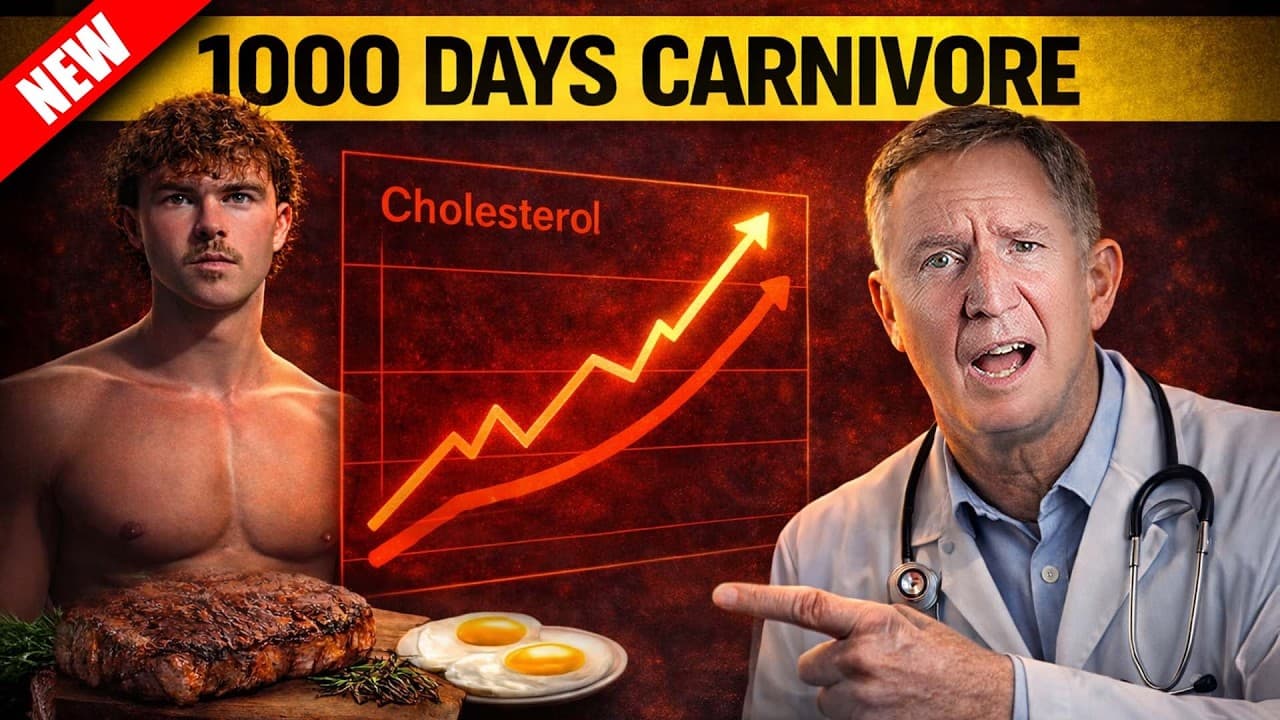
A viral video claims shocking blood test results from a carnivore dieter after 1,000 days on an all-meat regimen. While the full data isn’t peer-reviewed, the analysis—scored 26.0 Pro to 15.0 Against—suggests some individuals may maintain stable biomarkers on extreme diets, though with notable trade-offs.
Reported findings include low triglycerides and high HDL—positive signs for metabolic health—but also elevated LDL cholesterol and uric acid in some cases. These mixed signals underscore a growing debate: while anecdotal success stories abound, population-level risks of long-term carnivore diets remain concerning.
Experts caution that isolated cases don’t override broader evidence linking high red meat intake to cardiovascular and renal risks. Moreover, nutrient deficiencies—like fiber, vitamin C, and certain phytonutrients—are nearly inevitable without plant-based foods.
For now, the carnivore diet remains a fringe experiment with individual variability masking broader health concerns.
**While some carnivore dieters show stable blood markers after 1,000 days, elevated LDL and nutrient gaps raise long-term health concerns despite anecdotal success.**
Watch the full analysis
Carnivore Diet Blood Tests Reveal Mixed Long-Term Signals
One Teaspoon of 'Miracle' Remedy for Cortisol? Not So Fast
A trending video claims that just one teaspoon of an unnamed substance 'kills cortisol' and guarantees 8 hours of sleep. With a Pro score of 21.0 to 10.0 Against, the claim shows some traction but lacks scientific backing.
Cortisol, the body’s primary stress hormone, follows a natural circadian rhythm and can’t be simply 'killed' by a spoonful of any known compound. While certain supplements—like ashwagandha or magnesium—may modestly modulate cortisol or support sleep, no single ingredient delivers such dramatic, universal results.
The video offers no specifics on the substance, dosage, or study design, making verification impossible. Experts warn that oversimplified solutions to complex hormonal systems often mislead viewers and delay evidence-based care.
Red flags to watch for:
- Vague or unnamed ingredients
- Extreme claims without citations
- Absence of peer-reviewed data
**No credible evidence supports the claim that a single teaspoon of any substance can eliminate cortisol and guarantee full-night sleep—such claims oversimplify human physiology.**

Watch the full analysis
One Teaspoon of 'Miracle' Remedy for Cortisol? Not So Fast
‘Toxic Peptide’ Obesity Breakthrough? Video Fails Scientific Scrutiny
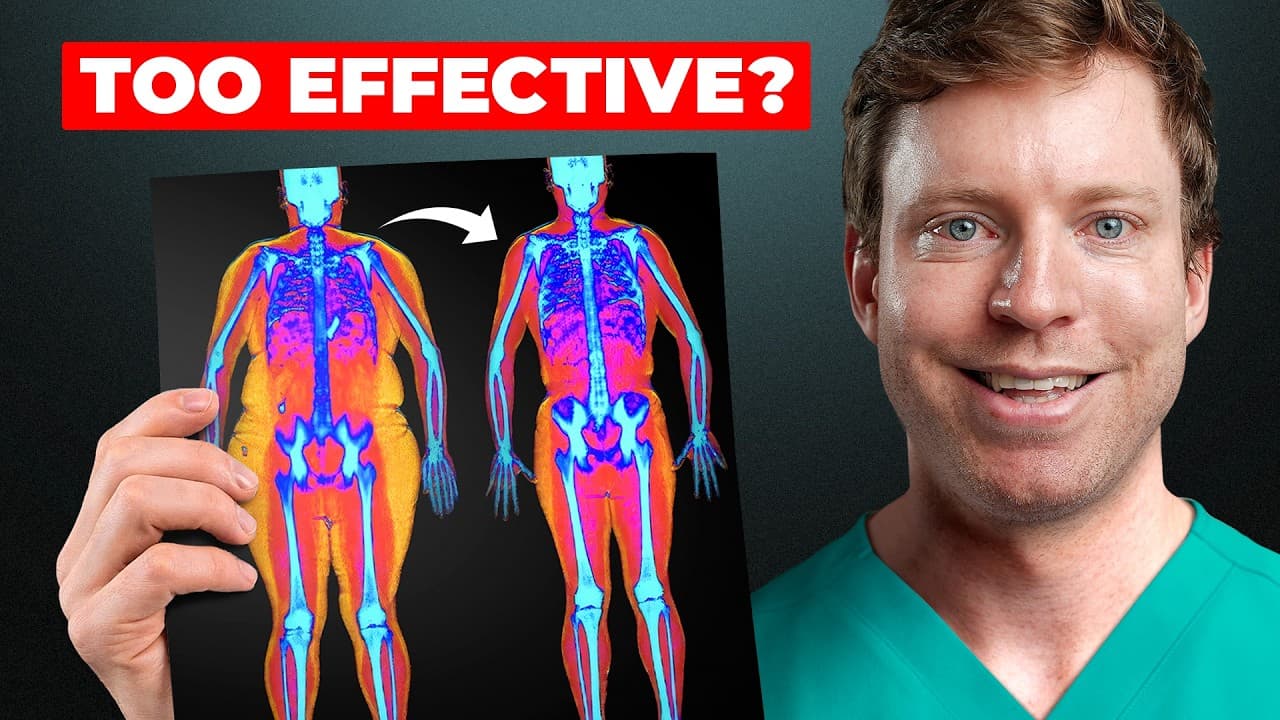
A video touting a 'toxic peptide' that 'broke every obesity record' has drawn skepticism, scoring only 14.0 Pro to 30.0 Against. The title alone raises alarm—framing a compound as 'toxic' while claiming miraculous benefits is a hallmark of pseudoscience.
No known peptide currently fits this description in clinical or research settings. While some experimental compounds (like retatrutide) are generating excitement, none are labeled as 'toxic' in legitimate literature. The video provides no data, mechanism, or source, making independent verification impossible.
Real anti-obesity breakthroughs undergo rigorous peer review and phased clinical testing—not viral hype. Misleading labels and sensationalism risk eroding public trust in genuine scientific progress.
Consumers should be wary of emotionally charged language and seek transparent, evidence-based reporting instead.
**The claim of a 'toxic peptide' breaking obesity records lacks scientific evidence and appears to be a sensationalized misrepresentation of current research.**
Watch the full analysis
‘Toxic Peptide’ Obesity Breakthrough? Video Fails Scientific Scrutiny
The bottom line
Today’s findings paint a nuanced picture of where science stands in the fight against obesity and metabolic disease. From the promise of multi-hormonal drugs like retatrutide to the neural hurdles of weight loss maintenance, biology is proving both complex and resilient. Meanwhile, real-world strategies—like physician incentives—show that human behavior, not just biochemistry, shapes health outcomes. As hype swirls online, the data reminds us: sustainable progress is built on evidence, not extremes.
Topics
Sources & References
Carnivore Diet Blood Tests Reveal Mixed Long-Term Signals
**While some carnivore dieters show stable blood markers after 1,000 days, elevated LDL and nutrient gaps raise long-term health concerns despite anecdotal success.**
One Teaspoon of 'Miracle' Remedy for Cortisol? Not So Fast
**No credible evidence supports the claim that a single teaspoon of any substance can eliminate cortisol and guarantee full-night sleep—such claims oversimplify human physiology.**
‘Toxic Peptide’ Obesity Breakthrough? Video Fails Scientific Scrutiny
**The claim of a 'toxic peptide' breaking obesity records lacks scientific evidence and appears to be a sensationalized misrepresentation of current research.**
Doctors’ Incentives Drive Real LDL Cholesterol Drops
**Physicians who support financial incentives achieve significantly greater LDL cholesterol reductions in high-risk patients, especially when incentives are shared with patients.**
Liraglutide Triggers Brain’s Food Reward System—Even as Weight Drops
**Liraglutide increases reward-related brain activity in response to food cues after adjusting for weight loss, suggesting a neural mechanism behind weight loss plateaus.**
Retatrutide Shatters Weight Loss Expectations in Phase 2 Trial
**Retatrutide, a triple-hormone agonist, produced up to 17% average body weight loss in a 48-week Phase 2 trial, signaling a major leap in anti-obesity pharmacotherapy.**