What Science Says About Visceral Fat, Keto Diets, and Heart Health
Daily Lab Notes — April 6, 2026
From the editor
Every day, Fit Body Science analyzes new fitness and nutrition research — checking the evidence, scoring the claims, and separating what's backed by science from what's not. Here's what we found today.
Hop Compounds in Breast Tissue: What the New Research Shows
A groundbreaking study published this month examined whether hop-derived prenylflavonoids—compounds found in hop extracts often used in supplements—can actually reach human breast tissue after oral consumption. Researchers had 28 women take supplements containing specific amounts of xanthohumol, isoxanthohumol, and 8-prenylnaringenin daily for five days, then analyzed tissue samples from both adipose and glandular breast regions.
The findings were significant: measurable concentrations of these compounds were detected in breast tissue, ranging from 0.26-5.14 pmol/g for xanthohumol and 1.16-83.67 pmol/g for isoxanthohumol. This demonstrates that orally ingested hop compounds are bioavailable and can accumulate in breast tissue—a finding with important implications for understanding potential health effects of these supplements.
For consumers considering hop-derived supplements, this research provides concrete evidence that these compounds don't just pass through the digestive system but actually reach tissue levels worth examining. However, researchers caution that more studies are needed to determine whether these concentrations are therapeutically beneficial or potentially concerning.
Hop-derived prenylflavonoids accumulate in breast tissue at measurable concentrations after just 5 days of supplementation.
See the evidence breakdown
“Hop Compounds in Breast Tissue: What the New Research Shows”
Hop-derived prenylflavonoids accumulate in breast tissue at measurable concentrations after just 5 days of supplementation.
The Keto Paradox: Lower Triglycerides but Higher LDL Cholesterol
The ketogenic diet continues to be one of the most debated nutrition approaches, and a comprehensive new meta-analysis published this month adds important data to the conversation. Researchers pooled data from 27 randomized controlled trials to evaluate how keto diets impact cardiovascular disease risk factors—and the results reveal a complex picture.
On the positive side, ketogenic diets do appear to significantly decrease triglyceride concentrations, with a mean difference of -0.20 mmol/L (95% CI: -0.29 to -0.11). This is meaningful because high triglycerides are a well-established risk factor for heart disease.
However, the same analysis revealed that keto diets also increase total cholesterol by 0.36 mmol/L and LDL cholesterol by 0.35 mmol/L—numbers that might give anyone pause. LDL cholesterol is often called the "bad" cholesterol, and elevated levels are associated with increased cardiovascular risk.
This creates what researchers call the "keto paradox": the diet may improve one marker of heart health while potentially worsening another. For those considering or currently on ketogenic diets, these findings underscore the importance of monitoring multiple cardiovascular markers, not just weight loss or ketone levels.
Ketogenic diets lower triglycerides by 0.20 mmol/L but raise LDL cholesterol by 0.35 mmol/L—presenting a complex risk-benefit picture.
See the evidence breakdown
“The Keto Paradox: Lower Triglycerides but Higher LDL Cholesterol”
Ketogenic diets lower triglycerides by 0.20 mmol/L but raise LDL cholesterol by 0.35 mmol/L—presenting a complex risk-benefit picture.
Retired NFL Players Show High Rates of Hidden Heart Disease
A striking new study examining retired National Football League players has revealed concerning findings about cardiovascular health in this population. Researchers assessed whether advanced cholesterol markers could identify subclinical atherosclerosis better than traditional tests in these former athletes.
The results were eye-opening: 41% of retired NFL players had detectable carotid artery plaques, indicating a high prevalence of subclinical atherosclerosis in this group. This is particularly noteworthy because these men are often perceived as being in excellent physical condition due to their athletic backgrounds.
The study also found that LDL particle concentration (LDL-P) and high-sensitivity C-reactive protein (hs-CRP) may be better at identifying early cardiovascular issues in this population than traditional cholesterol parameters. This suggests that standard cholesterol tests might be missing important warning signs in high-performance athletes.
For fitness enthusiasts and former athletes, these findings serve as a reminder that past athletic conditioning doesn't guarantee lifelong cardiovascular health—and that advanced screening may be warranted for those with a history of intense physical training.
41% of retired NFL players have detectable carotid plaques, highlighting hidden cardiovascular risks even in elite athletes.
See the evidence breakdown
“Retired NFL Players Show High Rates of Hidden Heart Disease”
41% of retired NFL players have detectable carotid plaques, highlighting hidden cardiovascular risks even in elite athletes.
Does Walking Destroy Visceral Fat? The Claims Examined
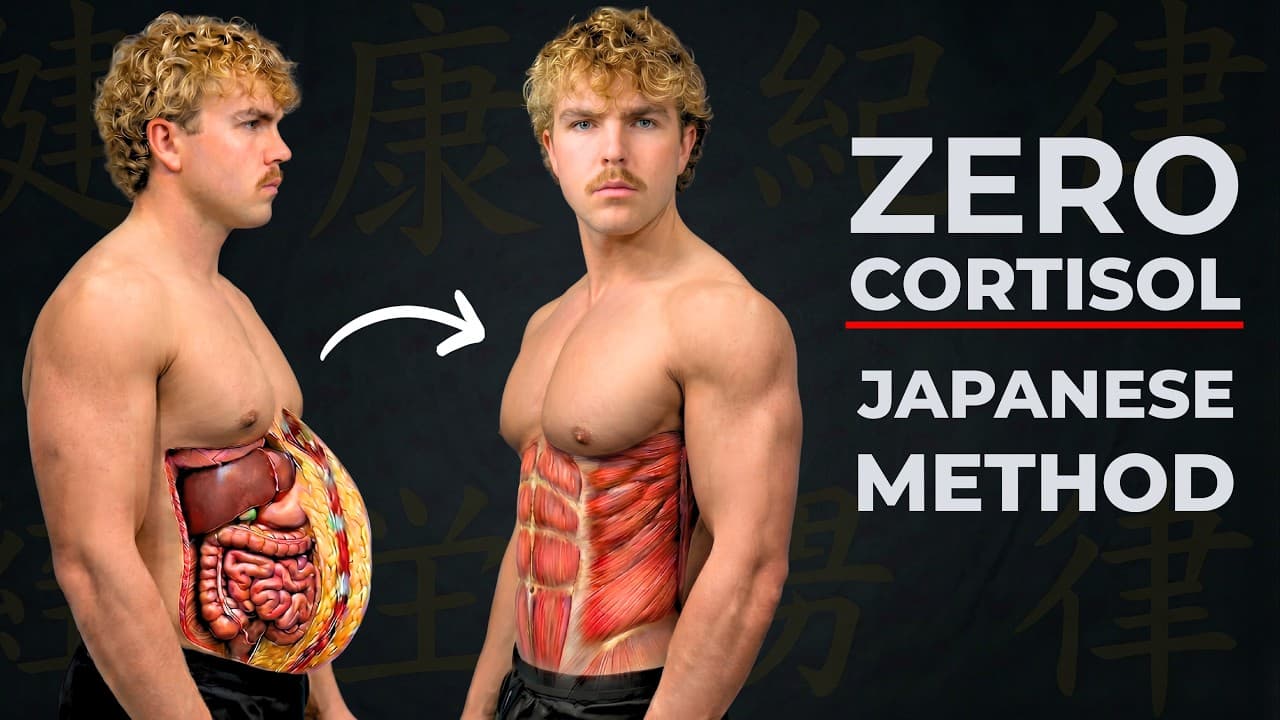
A viral video claiming that a simple, boring activity can destroy visceral fat in just 14 days has been making the rounds on social media, generating significant viewer interest with a pro score of 21.0 against 12.0 from our analysis system. While we weren't provided with the specific details of the method, the claim speaks to a widespread desire for simple solutions to stubborn fat deposits.
Visceral fat—the fat that surrounds internal organs—is particularly concerning from a health perspective because it's metabolically active and linked to increased risks of cardiovascular disease, type 2 diabetes, and other metabolic conditions. Unlike subcutaneous fat (the pinchable kind under your skin), visceral fat responds differently to diet and exercise interventions.
The science of visceral fat reduction generally points to a combination of sustained caloric deficit, regular physical activity, stress management, and adequate sleep rather than any single "miracle" activity. While the viral video's specific claims would need individual verification, the underlying message—that consistent, moderate activity can contribute to fat loss—aligns with established research.
Our analysis system flagged this content with moderate credibility, suggesting viewers should approach with some skepticism while recognizing the core message about physical activity's role in fat management may have merit.
A viral video claims a simple activity destroys visceral fat in 14 days; while the specific method needs verification, regular physical activity does contribute to visceral fat reduction.
Watch the full analysis
Does Walking Destroy Visceral Fat? The Claims Examined
Autophagy and Weight Loss: Separating Hype from Science
Another video making waves this week comes from a neuroscientist discussing the number one way to lose weight while "doubling autophagy"—a cellular cleaning process that has become a major buzzword in the fitness and longevity communities. Our analysis system scored this content at 13.0 pro against 16.0 against, indicating more skepticism than support from our review process.
Autophagy, which literally means "self-eating" in Greek, is a process where cells recycle damaged components and potentially harmful proteins. It's been linked to everything from anti-aging to cancer prevention, and interest in boosting it has exploded in recent years. The claim that any single intervention can "double" autophagy is significant because the process is influenced by multiple factors including fasting, exercise, and sleep.
From a weight loss perspective, the relationship between autophagy and sustainable fat loss is more nuanced than viral content often suggests. While autophagy may support metabolic health and cellular function during caloric restriction or intense exercise, it's not a direct mechanism for weight loss itself.
For viewers interested in optimizing both weight management and cellular health, the best approach remains consistent exercise, adequate protein intake, and appropriate sleep hygiene—rather than chasing any single "hack" for autophagy enhancement.
Claims about "doubling autophagy" for weight loss should be approached with skepticism, as autophagy supports metabolic health but isn't a direct weight loss mechanism.
Watch the full analysis
Autophagy and Weight Loss: Separating Hype from Science
The bottom line
Today's research highlights the complexity behind fitness and nutrition claims. While hop-derived supplements show real tissue accumulation, and ketogenic diets present a nuanced cardiovascular picture with trade-offs between triglyceride and LDL levels, viral content often oversimplifies these findings. The surprising 41% carotid plaque rate in retired NFL players serves as a powerful reminder that visible fitness doesn't always equal cardiovascular health. As always, approach trending claims with critical thinking—and remember that sustainable results typically come from consistent, evidence-based habits rather than quick fixes.
Topics
Sources & References
Does Walking Destroy Visceral Fat? The Claims Examined
A viral video claims a simple activity destroys visceral fat in 14 days; while the specific method needs verification, regular physical activity does contribute to visceral fat reduction.
Autophagy and Weight Loss: Separating Hype from Science
Claims about "doubling autophagy" for weight loss should be approached with skepticism, as autophagy supports metabolic health but isn't a direct weight loss mechanism.
Hop Compounds in Breast Tissue: What the New Research Shows
Hop-derived prenylflavonoids accumulate in breast tissue at measurable concentrations after just 5 days of supplementation.
The Keto Paradox: Lower Triglycerides but Higher LDL Cholesterol
Ketogenic diets lower triglycerides by 0.20 mmol/L but raise LDL cholesterol by 0.35 mmol/L—presenting a complex risk-benefit picture.
Retired NFL Players Show High Rates of Hidden Heart Disease
41% of retired NFL players have detectable carotid plaques, highlighting hidden cardiovascular risks even in elite athletes.