Dr Brad Stanfield
High-dose vitamin E and beta-carotene may increase cancer risk, while vitamin C can harm critically ill patients, but lutein and zeaxanthin show safer benefits for vision.
Some antioxidant supplements show clear harm in specific groups, others have limited or no evidence, and a few targeted forms appear beneficial.
We checked the science
our breakdown of the video
10 claims, each mapped to its moment in the video
In critically ill patients, high-dose intravenous vitamin C is associated with higher rates of death and organ failure.
Good evidence supports this claim, with little to contradict it.
When the body breaks down too much vitamin C, it produces oxalate that forms crystals in the kidneys and damages kidney tissue.
Shows a real connection between these things — genuine evidence, though it can't prove cause and effect, and stronger studies could still change it.
When free iron is present, high doses of vitamin C produce hydrogen peroxide, which increases damage to cells.
Weak evidence — fewer than 20 studies, so treat this as a starting point, not a fact.
Smokers who take high-dose beta-carotene supplements have a higher rate of developing lung cancer than smokers who do not.
Multiple causal studies (randomized trials and reviews) support this claim.
People who take antioxidant supplements have a slightly higher rate of death from any cause, and vitamin A supplements are the main contributor to this increase.
Not enough evidence yet — take this with caution.
Taking high doses of vitamin E supplements raises the number of prostate cancer cases in men without pre-existing cancer.
Multiple causal studies (randomized trials and reviews) support this claim.
Lutein and zeaxanthin build up in the central part of the retina and absorb blue light, which reduces damage to light-sensitive cells.
Strong evidence from clinical studies backs this claim.
Taking high doses of vitamin C and E supplements reduces the body's physiological adaptations to exercise by blocking the signaling triggered by oxidative stress.
Multiple causal studies (randomized trials and reviews) support this claim.
In older adults, taking antioxidant supplements alongside exercise leads to greater improvements in health outcomes than exercise alone, due to a reduction in oxidative stress caused by aging.
Shows a real connection between these things — genuine evidence, though it can't prove cause and effect, and stronger studies could still change it.
In older adults, taking supplements that help the body produce its own antioxidants leads to stronger improvements in biological signs of aging than taking antioxidants directly.
Weak evidence — fewer than 20 studies, so treat this as a starting point, not a fact.
Key Takeaways
Summary
Based on the video transcript only.
- 1High-dose IV vitamin C doubled deaths in burn and sepsis patients because it turned into a toxin that made free radicals instead of stopping them.
- 2Vitamin C also damaged kidneys by turning into oxalate crystals, which is deadly when organs are already failing.
- 3Beta-carotene and vitamin E increased cancer and death in healthy people, but lutein and zeaxanthin reduced vision loss without side effects.
- 4Taking antioxidant pills after workouts blocks muscle growth in young people, but may help older adults whose bodies are already overloaded with damage.
- 5The best approach is not to mega-dose, but to use specific, tested formulas like lutein for eyes or galantacin to boost your body’s own defenses.
Related videos
Dr Brad Stanfield
More Exercise, More Plaque?
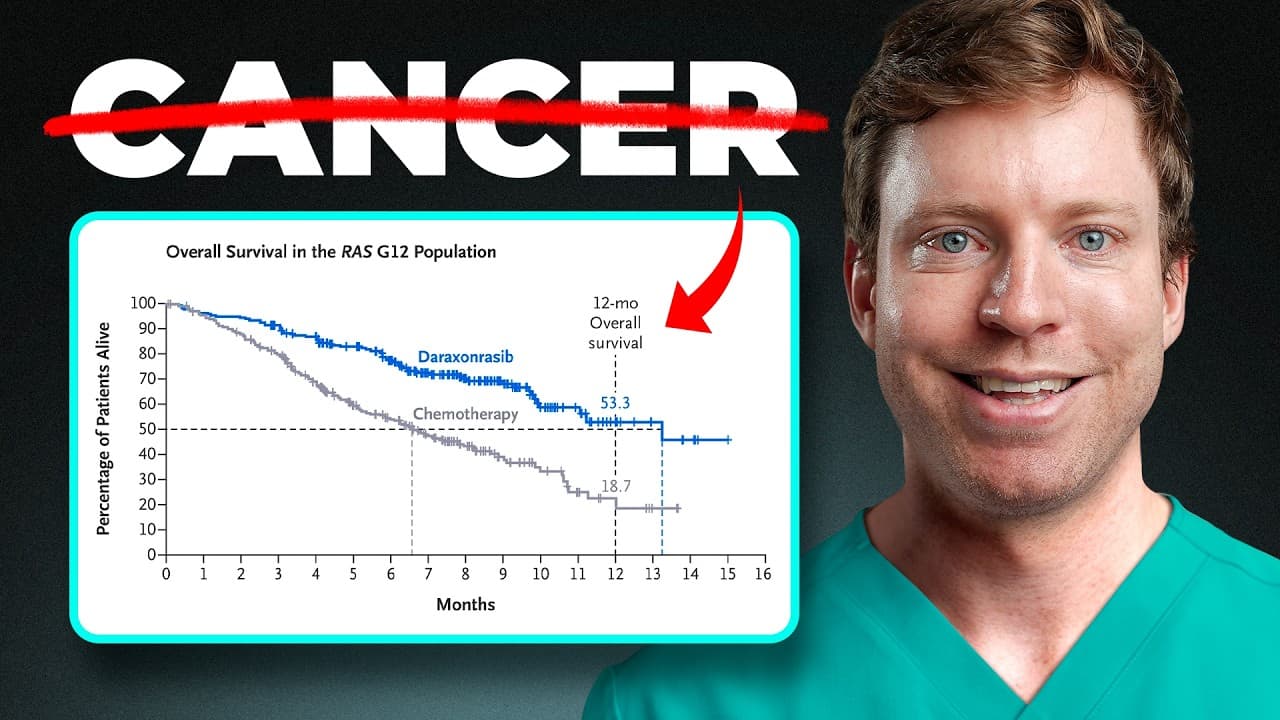
Dr Brad Stanfield
I've Never Seen Cancer Doctors React Like This
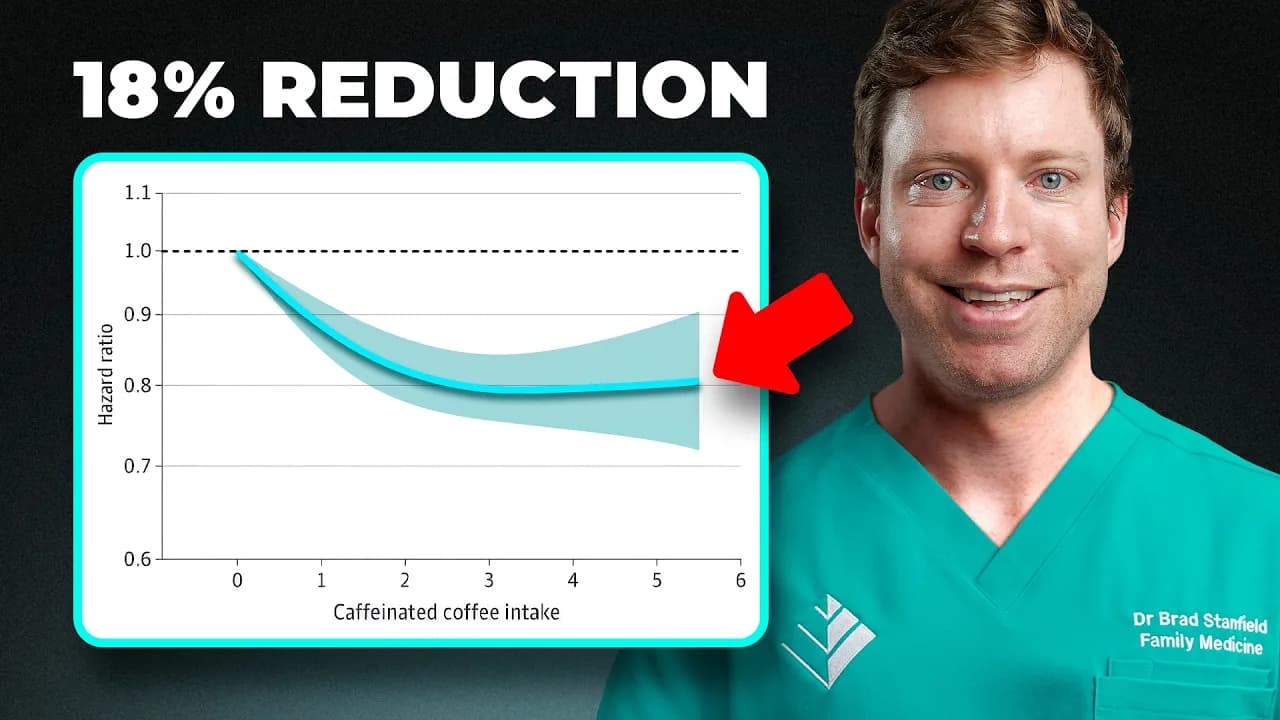
Dr Brad Stanfield
What Coffee Actually Does to Your Brain (131,821 Person Study)
Dr Brad Stanfield
Ridiculously Cheap Ways to Treat Skin Aging
Dr Brad Stanfield
Your Skin Loses 75% of This by Age 75 (New Fix)
Dr Brad Stanfield