The Claim
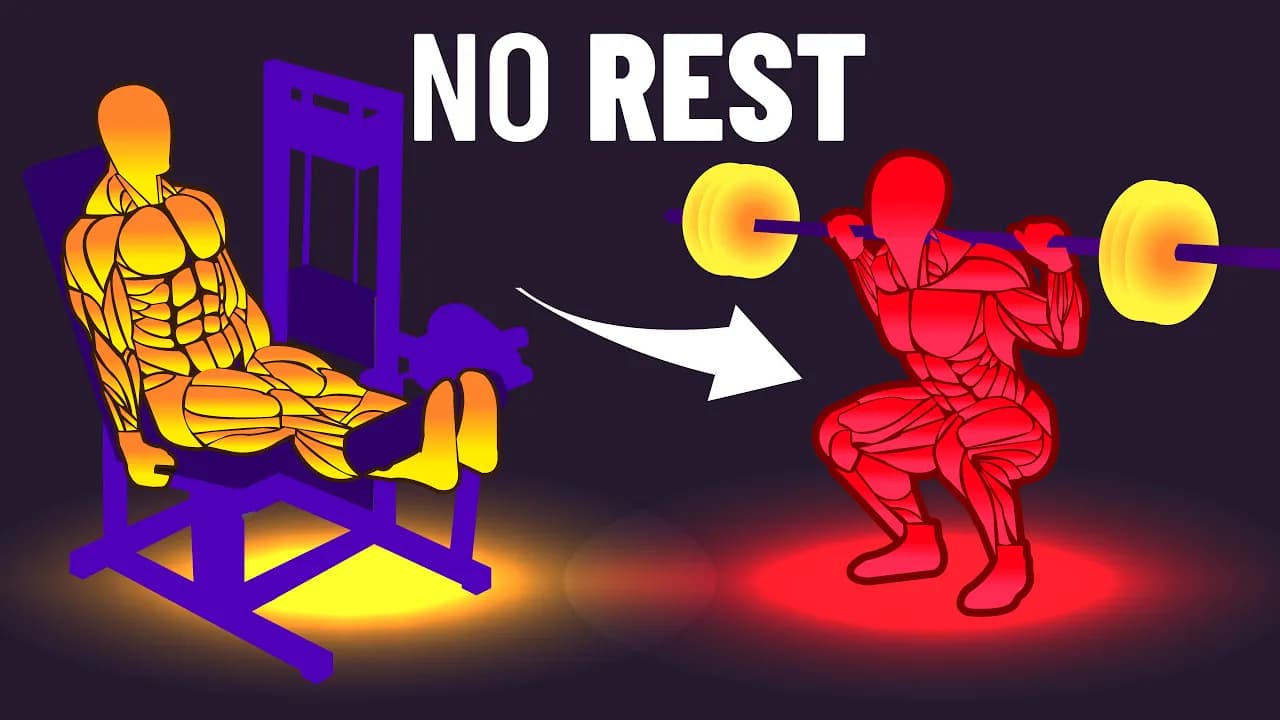
Pre-exhaustion resistance training and traditional resistance training produce comparable improvements in strength and muscular endurance.
What the research says
Supports is higher
Support is ahead, but a single strong opposing study can change this.
These are independent scores, not a percentage. Higher-grade studies count more, so a single strong opposing study can outweigh several weaker ones.
Two different ways of lifting weights—pre-exhaustion and traditional—both help you get stronger and last longer during exercise about the same amount.
See the scientific wording
Pre-exhaustion and traditional resistance training produce comparable improvements in strength and muscular endurance.
When people lift weights using either method, the total amount of force their muscles generate over the whole workout is the same. This force stretches and contracts muscle fibers, which activates nerve signals to the brain and spinal cord. These signals tell the muscles to recruit more fibers and adapt over time, making them stronger and able to work longer. Both training methods produce the same total force, so they lead to the same results.
What the research says
4 studiesThis study found that lifting weights in two different ways—either doing an isolation exercise first (pre-exhaustion) or starting with compound lifts (traditional)—both made people just as strong and able to exercise longer. So neither method is better than the other.
The study found that both pre-exhaustion and traditional training gave similar strength gains, just like the claim says, so it supports the claim.
The study found that doing pre-exhaustion exercises and regular exercises with rest both made people stronger in similar ways, so it supports the idea that they work about the same.
The study found that pre-exhaustion and regular training both improve strength similarly, but it didn't check endurance, so it mostly supports the claim.
Related videos
Score breakdown, mechanism chain, raw evidence, ideal studies needed & 4 supporting studies
Not medical advice. For informational purposes only. Always consult a qualified healthcare professional before making health decisions.