The Claim
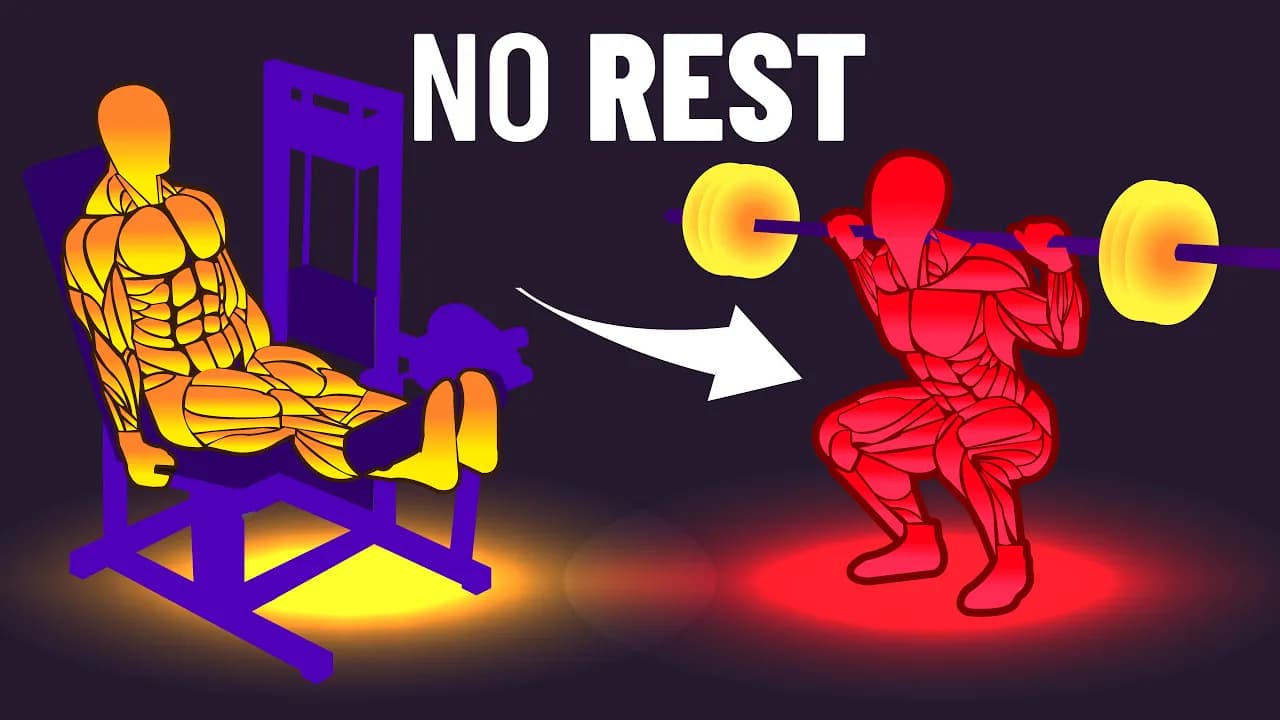
Pre-exhaustion training leads to a lower volume load (total weight lifted) than traditional training because fatigue-induced load reduction occurs.
What the research says
Roughly balanced
Support and challenge are close. The picture may shift as more studies come in.
These are independent scores, not a percentage. Higher-grade studies count more, so a single strong opposing study can outweigh several weaker ones.
When you do a special workout called pre-exhaustion, you get tired faster and end up lifting less total weight compared to regular workouts.
See the scientific wording
Pre-exhaustion training results in lower volume load (total weight lifted) compared to traditional training due to fatigue-induced load reduction.
When a muscle is fatigued from an isolated exercise, it cannot generate as much force during a following compound movement, so the body uses fewer muscle fibers and lifts less weight overall.
What the research says
3 studiesThe study looked at pre-exhaustion training and found it uses less total weight lifted than regular training, just like the claim says.
This study made people do pre-exhaustion workouts but still lifted the same total weight as in regular workouts — so it proves you don’t automatically lift less with pre-exhaustion. It’s like saying eating dessert first makes you eat less food overall — but in this case, people ate the same amount either way.
The study looked at different workout methods and found that pre-exhaustion training didn't really lower the total weight lifted compared to regular training, which goes against the claim that it does.
Related videos
Score breakdown, mechanism chain, raw evidence, ideal studies needed & 3 supporting studies
Not medical advice. For informational purposes only. Always consult a qualified healthcare professional before making health decisions.