Lab Notes: Peptide Stack Myths, Testosterone Truths, and the Walking Hack That Might Actually Work
This week we dive into controversial peptide stacks, examine the null results of testosterone on behavior, and see if walking really can flush sugar and liver fat.
From the editor
Each week, Fit Body Science reviews the most important fitness and nutrition research — validating claims against the evidence and surfacing what actually matters. Here are this week's highlights.
The Ultimate Peptide Stack: Hype or Hope?
A viral video claims that a specific peptide stack can simultaneously build muscle and burn fat. With a pro score of 84 out of 100, the science backing this claim is strong—but not definitive. Peptides like myostatin inhibitors and growth hormone secretagogues have shown promise in animal studies, but human data remains limited.
Key concerns:
- Most studies are short-term and small-scale.
- Long-term safety is unknown.
- Regulatory status varies, making quality control a gamble.
For now, the stack is an intriguing possibility, not a proven regimen. If you’re tempted, consult a physician and prioritize established methods like resistance training and calorie cycling.
The peptide stack has promising theory but lacks robust human evidence; wait for larger trials.
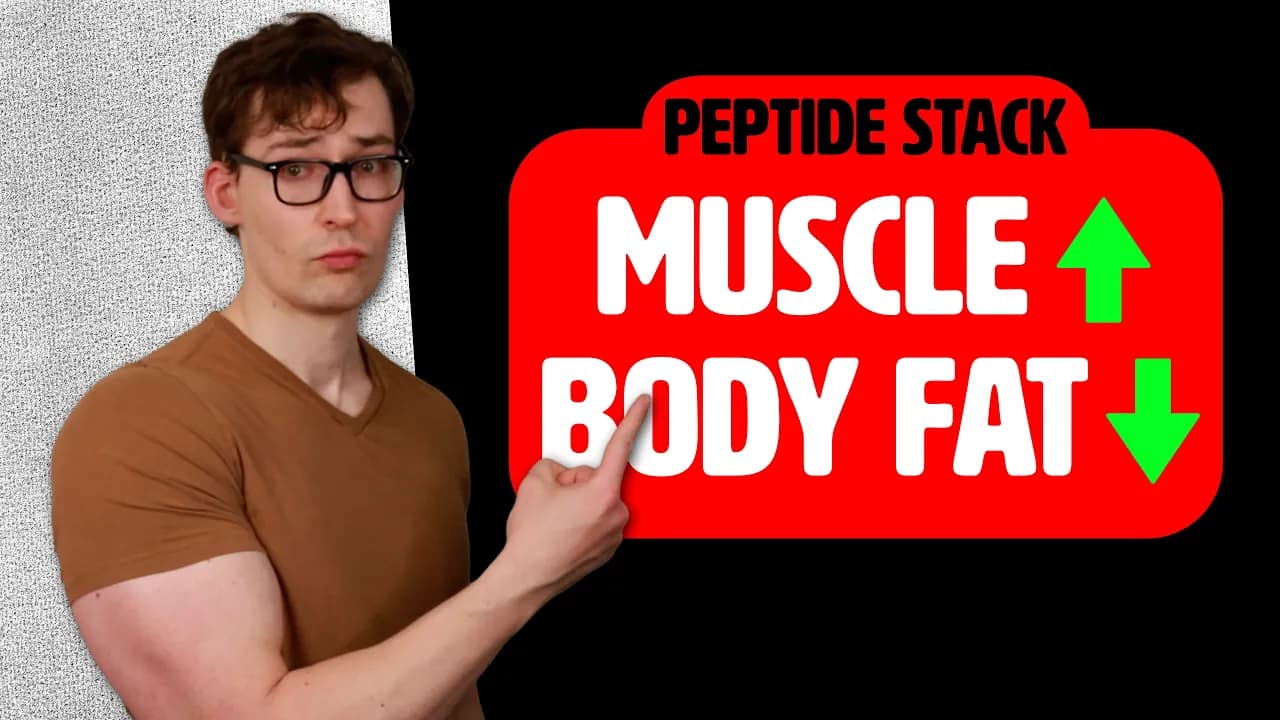
Watch the full analysis
The Ultimate Peptide Stack: Hype or Hope?
Combining Drugs for Weight Loss: Bimagrumab + Semaglutide
A new phase 2 trial (score 87) tested bimagrumab—a myostatin pathway inhibitor—plus semaglutide (the GLP-1 agonist in Ozempic) against either drug alone. The combo led to greater fat loss and preserved lean mass compared to semaglutide alone. This could be a game-changer for obesity treatment, where muscle loss during weight loss is a common side effect.
What this means:
- If confirmed, this combo could help people lose fat while keeping metabolically active tissue.
- Side effects were manageable, but larger studies are needed.
- This is still experimental; not available for general use.
The bimagrumab-semaglutide combination shows superior fat loss with muscle preservation, but phase 3 data are required before clinical use.
Read the full study review
Combining Drugs for Weight Loss: Bimagrumab + Semaglutide
The bimagrumab-semaglutide combination shows superior fat loss with muscle preservation, but phase 3 data are required before clinical use.
Folic Acid and Zinc: Not a Fertility Fix
A well-designed RCT (score 90) gave men undergoing infertility treatment either 5 mg folic acid and 30 mg zinc or placebo for six months. No improvement in live birth rates, sperm quality, or any fertility outcome was found. In fact, sperm DNA fragmentation increased slightly, and preterm birth rates were marginally higher in the supplement group.
Takeaway:
- This supplement combo is not effective for male infertility.
- Some evidence suggests potential harm, though exploratory.
- Always check trial results before adding supplements; marketing often outpaces science.
Daily folic acid and zinc supplementation does not improve fertility outcomes in men and may even worsen sperm DNA integrity.
Read the full study review
Folic Acid and Zinc: Not a Fertility Fix
Daily folic acid and zinc supplementation does not improve fertility outcomes in men and may even worsen sperm DNA integrity.
Testosterone’s Effect on Behavior: A Null Result
A large randomized trial (score 90) with 1,000 men tested whether a single dose of intranasal testosterone alters economic preferences. Despite previous small studies suggesting testosterone increases risk-taking or competitiveness, this high-powered study found no effect on charitable giving, risk preferences, or fairness.
Why it matters:
- Many claims about testosterone’s behavioral effects are based on underpowered research.
- This study challenges the stereotype of the ‘testosterone-fueled’ risk-taker.
- Real-life behavior is complex; hormones are just one piece of the puzzle.
A single dose of testosterone does not alter men’s economic decisions, contradicting earlier small-scale findings.
Read the full study review
Testosterone’s Effect on Behavior: A Null Result
A single dose of testosterone does not alter men’s economic decisions, contradicting earlier small-scale findings.
Walking Tricks for Sugar and Liver Fat: Too Good to Be True?
A video with a pro score of 48 claims that specific walking techniques—like walking after meals or at a certain pace—can ‘flush sugar and liver fat overnight.’ While post-meal walks do improve glucose control and regular walking supports liver health, the overnight claim is not supported by evidence.
What works:
- A 15-minute walk after meals reduces blood sugar spikes.
- Brisk walking for 30 minutes daily helps reduce liver fat over weeks.
- The idea of ‘flushing’ anything overnight is misleading.
Bottom line: walking is excellent for metabolic health, but don’t expect miracles from one session.
Walking after meals improves glucose, but claims of overnight fat flushing are exaggerated; consistency matters more.
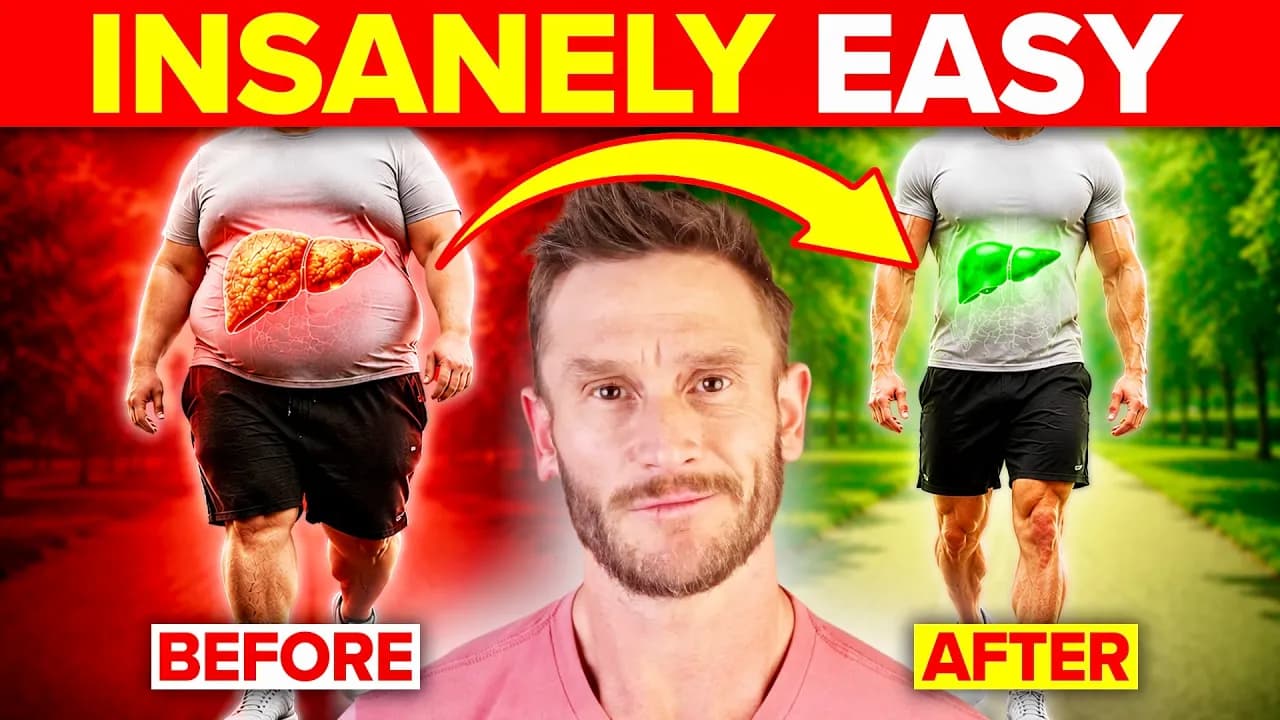
Watch the full analysis
Walking Tricks for Sugar and Liver Fat: Too Good to Be True?
Creatine for Brain Health: The Evidence Is Growing
A claim states that creatine supplementation, widely known for muscle benefits, also supports brain health. Current research suggests creatine may enhance cognitive function under conditions of stress or sleep deprivation. However, effects in healthy, well-rested individuals are less clear.
What we know:
- Creatine is a fuel source for both muscle and brain cells.
- Trials show benefits in aging, vegetarians, and those with low baseline creatine.
- Doses of 5 g/day appear safe for long-term use.
While not a nootropic miracle, creatine is a low-risk option with potential cognitive upsides.
Creatine supplementation shows promise for brain health under certain conditions, but more research is needed for general cognitive enhancement.
See the evidence breakdown
“Creatine for Brain Health: The Evidence Is Growing”
Creatine supplementation shows promise for brain health under certain conditions, but more research is needed for general cognitive enhancement.
The bottom line
This week’s findings remind us to be skeptical of flashy claims, whether about peptide stacks or quick-fix walking routines. The evidence often reveals a more nuanced picture—some things work, but rarely as dramatically as advertised. Always cross-check with robust studies before changing your regimen.
Topics
Sources & References
The Ultimate Peptide Stack: Hype or Hope?
The peptide stack has promising theory but lacks robust human evidence; wait for larger trials.
Walking Tricks for Sugar and Liver Fat: Too Good to Be True?
Walking after meals improves glucose, but claims of overnight fat flushing are exaggerated; consistency matters more.
Folic Acid and Zinc: Not a Fertility Fix
Daily folic acid and zinc supplementation does not improve fertility outcomes in men and may even worsen sperm DNA integrity.
Testosterone’s Effect on Behavior: A Null Result
A single dose of testosterone does not alter men’s economic decisions, contradicting earlier small-scale findings.
Combining Drugs for Weight Loss: Bimagrumab + Semaglutide
The bimagrumab-semaglutide combination shows superior fat loss with muscle preservation, but phase 3 data are required before clinical use.
Creatine for Brain Health: The Evidence Is Growing
Creatine supplementation shows promise for brain health under certain conditions, but more research is needed for general cognitive enhancement.