Magnesium: The Mineral Your Body Is Begging For
From sleep to gut health, here's what science says.
From the editor
Every day, Fit Body Science analyzes new fitness and nutrition research — checking the evidence, scoring the claims, and separating what's backed by science from what's not. Here's what we found today.
Snooze Better with Magnesium? Here's the Real Deal
If you've been tossing and turning, you might have heard that magnesium can help. A new study gives it a thumbs up—but with a caveat. In a randomized trial, healthy adults with poor sleep who took 250 mg of magnesium bisglycinate every night for 4 weeks saw a modest improvement in insomnia symptoms compared to placebo. The difference was small (about 1.6 points on the Insomnia Severity Index), and most people still fell into the 'subthreshold' range. So it's not a cure-all, but it's a low-risk option that might tip the scales for some. Key point: If you're low in magnesium, you might see more benefit—the study found that people with lower dietary magnesium intake improved the most. So if you're already eating plenty of magnesium-rich foods, don't expect a huge change. But for those who skimpy on greens and nuts, it's worth a shot.
Magnesium bisglycinate can slightly improve sleep in people with poor sleep, but it's no magic pill—especially if you already get enough magnesium from food.
If you've been tossing and turning, you might have heard that magnesium can help. A new study gives it a thumbs up—but with a caveat.
The Secret Ingredient Your Vitamin D Needs
You've been diligent about taking your vitamin D, but are you actually absorbing it? Your body needs magnesium to convert vitamin D into its active form. A recent trial found that when people took magnesium supplements, their vitamin D levels changed differently depending on their starting point—even when they didn't take extra vitamin D. This suggests that many of us are deficient in magnesium, which could be why vitamin D supplements don't always work as expected. Bottom line: If you're popping vitamin D but still feel deficient, check your magnesium intake. It's like the key that unlocks the vitamin's benefits. Foods like spinach, almonds, and dark chocolate are great sources—so maybe it's time to add them to your snack rotation.
Magnesium is essential for activating vitamin D, so without it, your vitamin D supplement might be useless.
You've been diligent about taking your vitamin D, but are you actually absorbing it? Your body needs magnesium to convert vitamin D into its active form. A recent trial found that when people took magnesium supplements, their vitamin D levels changed differently depending on their starting point—even when they didn't take extra vitamin D.
Low Magnesium: The Hidden Culprit Behind Gut Aging?
Aging is inevitable, but your gut might age faster than it should if you're low on magnesium. New research shows that a decline in intestinal magnesium is linked to gut aging and an increased risk of conditions like colitis. In mice, magnesium deficiency accelerated gut aging and made the gut more vulnerable to damage. Human data also suggests that people with lower magnesium intake have a higher risk of gut disorders. What does this mean for you? It's a strong reminder to get enough magnesium—not just for your bones and muscles, but for your digestive health too. If you want to keep your gut happy as you age, consider magnesium-rich foods or a supplement if needed.
Magnesium deficiency might speed up gut aging and increase the risk of inflammatory gut conditions.
Aging is inevitable, but your gut might age faster than it should if you're low on magnesium. New research shows that a decline in intestinal magnesium is linked to gut aging and an increased risk of conditions like colitis.
Are You Making These Magnesium Mistakes?
Magnesium is a superstar mineral, but many of us mess it up. The most common mistake? Taking the wrong form—like magnesium oxide, which your body absorbs poorly. Others skip it because they think they get enough from food, or they pair it with calcium, which competes for absorption. Another blunder is taking it all at once instead of spreading it out, or taking it on an empty stomach and dealing with stomach upset. Fix it: Choose a highly absorbable form like bisglycinate or citrate, and take it with meals. And don't forget that age, stress, and certain medications can deplete your levels. If you're not sure if you're deficient, talk to your doctor about a simple blood test.
Taking the wrong type or amount of magnesium means you're not getting the benefits—choose wisely.
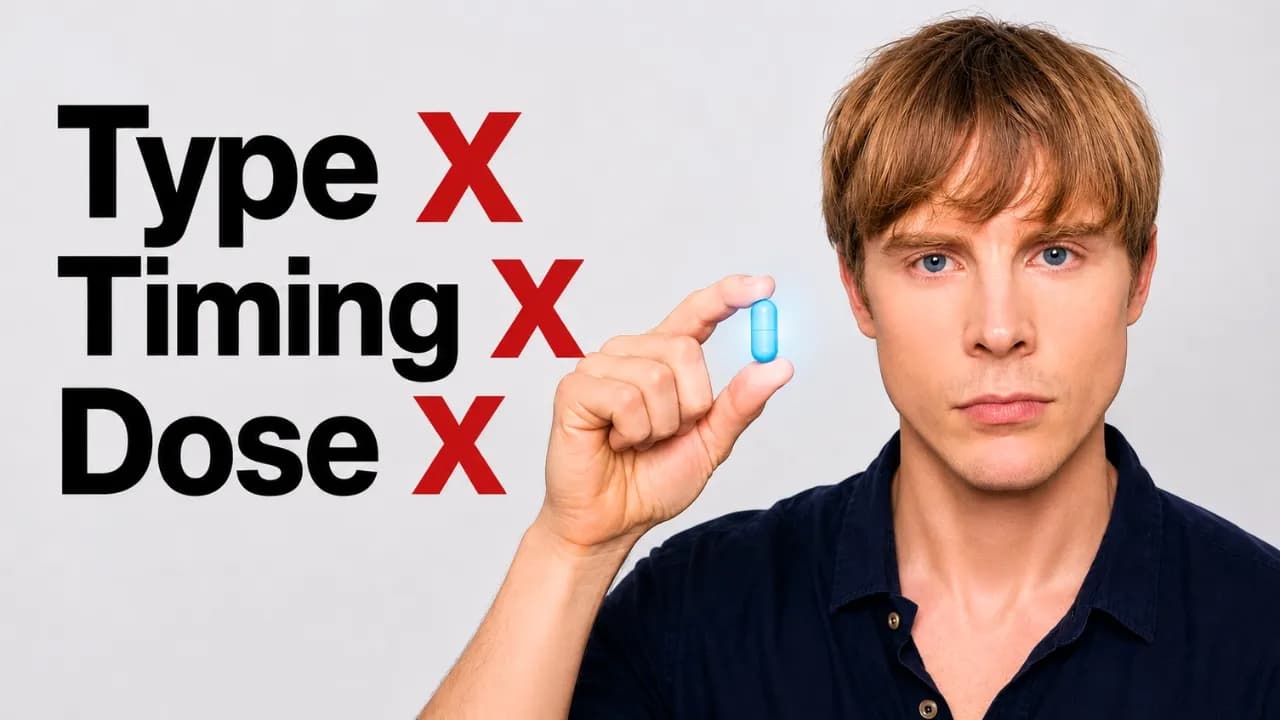
The Magnesium Mistakes That Are Killing Your Results
The bottom line
So there you have it—magnesium is more than just a 'calming' mineral. It's a multitasker that supports your sleep, your vitamin D activation, and even your gut health. While it's not a cure-all, making sure you're not deficient is a smart move. As always, more research is needed, but the evidence is building. Stay curious, and keep thinking science!
Topics
Sources & References
The Magnesium Mistakes That Are Killing Your Results
Magnesium Bisglycinate Supplementation in Healthy Adults Reporting Poor Sleep: A Randomized, Placebo-Controlled Trial
Magnesium status and supplementation influence vitamin D status and metabolism: results from a randomized trial.
Magnesium Deficiency Accelerates Gut Aging and Increases Susceptibility to Colitis