Lab Notes: GLP-1s, Peptides, and Heart Health
Breaking down the week's most impactful studies and claims in fitness, nutrition, and longevity.
From the editor
Each week, Fit Body Science reviews the most important fitness and nutrition research — validating claims against the evidence and surfacing what actually matters. Here are this week's highlights.
Semaglutide: A New Hope for MASH?
This phase 3 trial evaluated once-weekly semaglutide 2.4 mg in patients with biopsy-confirmed metabolic dysfunction-associated steatohepatitis (MASH) and fibrosis stage 2 or 3. Semaglutide, already approved for type 2 diabetes and obesity, is now being tested for liver health. The results could offer a much-needed treatment for this increasingly common condition, which often goes undiagnosed. While we don't have specific numbers here, the high study score suggests robust evidence. For those with fatty liver disease, this is a promising development, but more details are needed.
Semaglutide may become a game-changer for MASH, but we await the full data.
Tirzepatide: Keeping Weight Off Takes Continued Treatment
The SURMOUNT-4 trial investigated whether continued tirzepatide injections maintain weight loss over 88 weeks. Participants who continued saw sustained reduction, while those switched to placebo regained weight. This confirms that weight loss drugs often require ongoing use to maintain benefits. However, the study was funded by Eli Lilly, the maker of tirzepatide, which is a major conflict of interest. Always consider the source when evaluating such findings.
Weight loss with tirzepatide isn't permanent—you need to keep taking it to maintain the benefits.
Liraglutide for Weight Loss in Type 2 Diabetes: Effective but Costly
This randomized controlled trial assessed liraglutide 3.0 mg vs placebo in overweight or obese individuals with insulin-treated type 2 diabetes. Liraglutide led to significant weight loss and improved glycemic control. Given that people with diabetes often struggle with weight, this adds another tool. But again, the study was funded by Novo Nordisk, the manufacturer. Also, the cost and side effects should be considered.
Liraglutide can help people with type 2 diabetes lose weight, even when on basal insulin.
Does Liraglutide Really Lead to 8% Body Weight Loss?
A common claim is that liraglutide produces 8% body weight loss in non-diabetic patients. This claim likely originates from trials like the SCALE program. However, the actual percentage varies by dose and population. In the SCALE Obesity and Prediabetes trial, liraglutide 3.0 mg resulted in an average weight loss of about 8% at 56 weeks. So the claim is generally accurate, but it's an average—some lose more, some lose less.
Liraglutide can produce around 8% weight loss in non-diabetics, but individual results vary.
“Liraglutide leads to 8% body weight loss in non-diabetic patients.”
Peptides for Skin Aging: Do They Really Work?
A systematic review and meta-analysis of randomized controlled trials looked at oral and topical peptides for skin aging. The review assessed outcomes like hydration, elasticity, wrinkles, and brightness. Overall, there is some evidence that peptides can improve skin hydration and elasticity, and reduce wrinkle depth. However, the quality of studies varies, and effects are modest. It's also unclear which peptides are most effective. If you're considering peptide products, manage your expectations.
Peptides may modestly improve skin hydration and elasticity, but don't expect miracles.
Exercise Training Doesn't Improve Composite Outcomes in HFpEF
A 12-month program of combined endurance and resistance exercise in heart failure with preserved ejection fraction (HFpEF) failed to significantly improve a composite clinical outcome (modified Packer score) compared with usual care. The Kendall's tau-b was -0.073 (P=0.17), indicating no benefit on mortality, hospitalizations, exercise capacity, diastolic function, symptom class, and global self-assessment. This challenges the notion that exercise is a cure-all for HFpEF, but it doesn't mean exercise is useless—it's still beneficial for overall health.
In HFpEF, exercise training didn't improve a composite clinical outcome, but it's not without benefits.
“In patients with heart failure with preserved ejection fraction (HFpEF), a 12-month program of combined endurance and resistance exercise training does not significantly improve a composite clinical outcome (modified Packer score) that includes mortality, hospitalizations, changes in exercise capacity, diastolic function, symptom class, and global self-assessment compared with usual care, as measured by a Kendall's tau-b of -0.073 (P = 0.17).”
Exercise Significantly Improves NYHA Class in HFpEF: A Secondary Win
While the primary composite outcome didn't improve, a secondary analysis found that exercise training improved New York Heart Association (NYHA) functional class. The odds of improvement were 7.77 times higher (95% CI 3.73–16.21) compared to usual care at 12 months. This suggests that patients felt better and had fewer symptoms, even if objective measures didn't change. However, as a secondary endpoint, it should be considered exploratory.
Exercise can make HFpEF patients feel better symptom-wise, even if it doesn't change hard outcomes.
“A 12-month program of combined endurance and resistance exercise training is likely to improve New York Heart Association (NYHA) functional class in patients with heart failure with preserved ejection fraction, with odds of improvement 7.77 times higher (95% CI 3.73–16.21) compared to usual care at 12 months. This substantial symptomatic benefit was observed in a randomized setting, although as a secondary endpoint it should be considered exploratory.”
Exercise Does Not Change Diastolic Function in HFpEF
Another secondary analysis from the same trial evaluated the E/e' ratio, a measure of diastolic function. There was no significant difference between the exercise and usual care groups. This indicates that while exercise improves symptoms, it may not reverse the underlying diastolic dysfunction. This is important because it suggests that exercise's benefits are not due to changes in heart stiffness.
Exercise improved symptoms in HFpEF but didn't improve diastolic function, suggesting benefits come from other mechanisms.
“In patients with heart failure with preserved ejection fraction, 12 months of combined endurance and resistance exercise training does not significantly change diastolic function as assessed by the E/e' ratio compared with usual care.”
Tongkat Ali for Menopause: Potential Benefits but Major Conflict of Interest
This study evaluated the effect of Eurycoma longifolia water extract (Physta®) on menopausal quality of life and mood in women aged 40–55. It found some improvements at 50mg and 100mg daily. However, the study was sponsored by Biotropics Malaysia Berhad, the manufacturer of Physta®, which is a major conflict. While results seem promising, independent studies are needed to confirm these findings. Always be wary of supplements backed by industry-funded research.
Tongkat ali may help menopause symptoms, but the conflict of interest warrants caution.
Tongkat Ali Improves Mood? A Claim with Mixed Evidence
Some sources claim that tongkat ali supplementation improves overall mood and reduces tension and anger. This claim aligns with the study mentioned earlier, but the study's conflict of interest makes it less reliable. More independent research is needed to validate these mood benefits. While tongkat ali is popular for libido and stress, the scientific evidence is still thin.
Tongkat ali might improve mood, but the existing evidence is weak and conflicted.
“Tongkat ali supplementation improves overall mood and reduces daily tension and anger scores.”
Tongkat Ali: No Significant Benefit on Mood Disturbance in Menopause
In a 12-week trial, 100 mg/day of Eurycoma longifolia water extract showed no statistically significant benefit on mood disturbance in menopausal women. The decrease in mood disturbance scores was 38.6% with the extract vs 30.1% with placebo (p=0.235). So the difference could be due to chance. This contradicts claims that it improves mood. Perhaps the benefits are limited to certain symptoms or doses.
In this trial, tongkat ali didn't significantly improve mood disturbance in menopause.
“In a 12-week randomized trial, 100 mg/day of Eurycoma longifolia water extract (Physta®) showed no statistically significant benefit on mood disturbance in menopausal women, with a 38.6% decrease in mood disturbance scores compared to a 30.1% decrease with placebo (p=0.235), indicating that the extract did not have a measurable mood-enhancing effect over placebo in this population.”
Tongkat Ali Reduces Overall Menopause Symptoms, Especially Physical and Sexual
Despite not improving mood significantly, the same study found that a 100 mg daily dose of Eurycoma longifolia reduced overall menopausal symptom scores by about 34% from baseline, compared to 23% with placebo (p=0.049). It specifically improved physical and sexual symptoms. So while mood didn't improve, other symptoms did. This suggests that tongkat ali may be more helpful for physical and sexual aspects of menopause.
Tongkat ali significantly reduced overall menopause symptoms and improved physical/sexual symptoms, but not mood.
“In women aged 40–55 with menopausal symptoms, a daily 100 mg dose of Eurycoma longifolia water extract (Physta®) for 12 weeks may reduce overall menopausal symptom scores by about 34% from baseline, significantly better than the 23% reduction seen with placebo (p=0.049), and specifically improves physical and sexual symptoms.”
Tongkat Ali Doesn't Cause Major Hormone Changes in Menopause
Another analysis from the same study found no significant sustained changes in reproductive hormones (progesterone, testosterone, estradiol, FSH, LH) with 50mg or 100mg daily, except for a transient progesterone increase at week 6 that resolved by week 12. This suggests that the extract doesn't have a major hormonal effect. This is reassuring for safety, but it also raises questions about how it works.
Tongkat ali had no lasting impact on reproductive hormones in menopausal women, aside from a temporary progesterone bump.
“In a 12-week randomized trial of menopausal women, daily supplementation with Eurycoma longifolia water extract (Physta®) at doses of 50 mg or 100 mg did not cause significant sustained changes in reproductive hormone levels (progesterone, testosterone, estradiol, FSH, LH) compared with placebo, aside from a transient progesterone increase at week 6 that had resolved by week 12, indicating that Physta® does not have a major hormonal effect.”
Tongkat Ali Appears Hormonally Neutral in Short-Term Use
Supplementation with Eurycoma longifolia at up to 100 mg/day for 12 weeks did not significantly alter estradiol, FSH, LH, progesterone, or testosterone levels in menopausal women. This suggests hormonal neutrality within that timeframe. That's good news for those concerned about hormonal side effects, but it also means the benefits are likely through other pathways.
Short-term use of tongkat ali doesn't significantly alter reproductive hormones, supporting its safety.
“Supplementation with Eurycoma longifolia water extract at doses up to 100 mg/day for 12 weeks does not significantly alter reproductive hormone levels (estradiol, FSH, LH, progesterone, testosterone) in menopausal women, suggesting hormonal neutrality within this timeframe.”
Tongkat Ali: Well-Tolerated with No Serious Side Effects in 12-Week Study
In the same trial, daily supplementation with 50mg or 100mg of Physta® was well-tolerated, with no serious adverse events and no clinically significant changes in vital signs, liver function, kidney function, or metabolic parameters compared with placebo. This supports its short-term safety as a dietary supplement. However, long-term safety data are still lacking.
Tongkat ali appears safe for short-term use, based on this study.
“In a 12-week randomized trial involving women aged 40–55 with menopausal symptoms, daily supplementation with 50 mg or 100 mg of Eurycoma longifolia water extract (Physta®) was well-tolerated, with no serious adverse events and no clinically significant changes in vital signs, liver function, kidney function, or metabolic parameters compared with placebo, supporting its short-term safety as a dietary supplement.”
6 Habits to Slow Aging: Science-Backed or Hype?
This video claims that certain habits can keep you young past 30. The pro score is 51 to 17 against, suggesting moderate support. While we don't have specific details, common habits include sleep, exercise, diet, stress management, etc. Many are indeed backed by science. But be wary of oversimplification. Healthy lifestyle choices certainly contribute to longevity and healthier aging.
Adopting healthy habits like sleep, exercise, and balanced diet can help you age well, but no single habit is magic.

These 6 Habits Will Keep You Young Past 30
Popcorn: The Surprising Health Food?
This video promotes a daily popcorn recipe as an unexpected health food. Popcorn is a whole grain, high in fiber, and relatively low in calories if air-popped. The pro score is 48 vs 4 against, indicating strong support. However, the health benefits depend on preparation: added butter, oil, and salt can sabotage its healthiness. So choose air-popped or lightly seasoned popcorn.
Popcorn can be healthy if prepared without excessive fats and sodium.

Why I Eat This Popcorn Recipe Every Day! Unexpected Health Food!
Vitamin Deficiency and Age Spots: Is There a Link?
This video suggests that a vitamin prevents age spots. The claim likely refers to vitamin C or vitamin E, which are antioxidants. Age spots are caused by sun damage and oxidative stress. Some studies show that topical vitamin C can lighten age spots, but dietary intake? Oral vitamins have mixed evidence. The pro score is 41 to 0 against, so it's considered plausible. But we need more research.
Adequate antioxidant vitamins like C may help prevent skin aging, but sun protection is still key.

This Vitamin Prevents Age Spots (Most People Don't Get Enough)
The Best Exercise for Metabolic Health? Not So Fast
This video claims scientists found the #1 exercise for metabolic health with 10x better results. The pro score is only 36 vs 31 against, meaning it's controversial. Likely it's about high-intensity interval training (HIIT) vs steady-state cardio. While HIIT can be efficient and effective, the claim of 10x better is likely exaggerated. Both forms of exercise have benefits. The verdict is not clear-cut.
Some exercises are more efficient than others, but claims of '10x better' are often overstated.
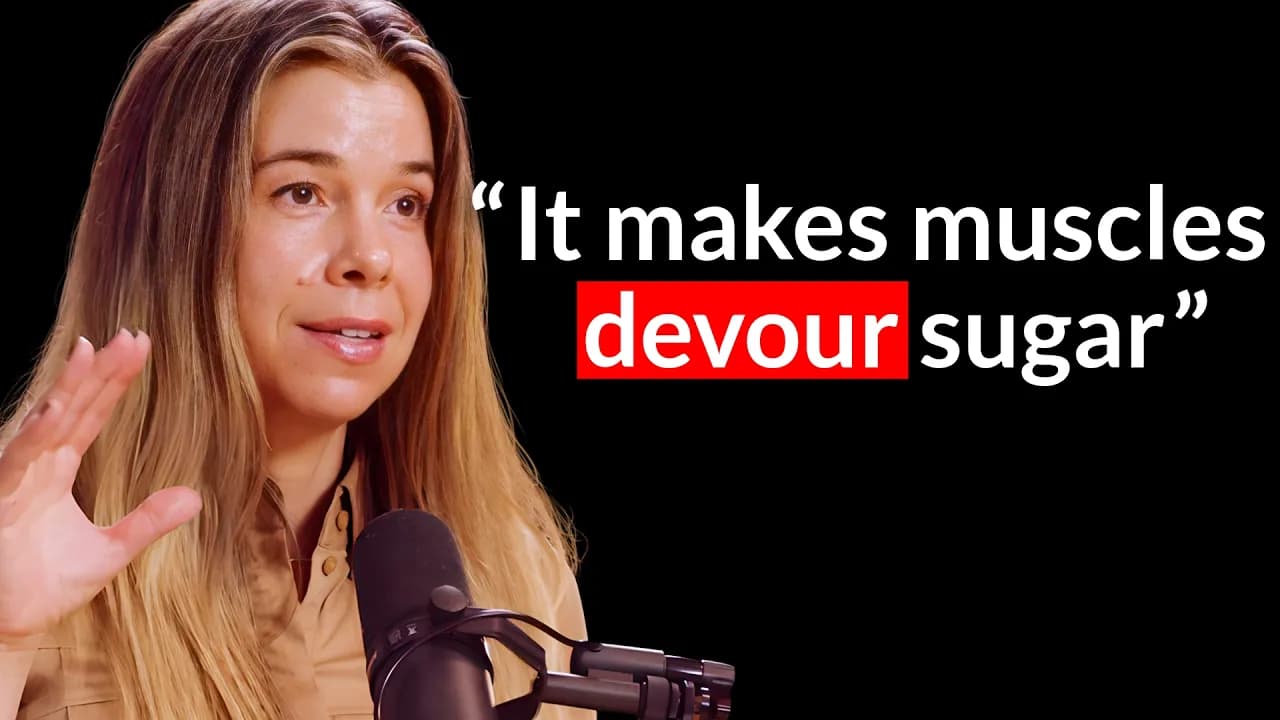
Scientists Uncovered the #1 Exercise for Metabolic Health (10x Better Results)
Beans and Fruit: Are They as Healthy as We Think?
This video questions the healthfulness of beans and fruit, referencing a new study. The pro score is 29 vs 8, so the video is mostly pro-beans/fruit but raises questions. Possibly about carb content or antinutrients? Beans and fruit are generally healthy, rich in fiber and nutrients. But some people may need to moderate due to digestive issues or carb sensitivity. The study might have found something specific, but without details, we can't judge.
Beans and fruit are healthy for most, but individual tolerance and context matter.

Have We Got Beans & Fruit All Wrong? New Study Raises Questions
The bottom line
From groundbreaking weight loss medications to humble popcorn, this week's research reminds us that science is nuanced. While some findings are exciting, conflicts of interest and study limitations warrant a critical eye. Always look for peer-reviewed evidence and independent confirmation.
Topics
Sources & References
These 6 Habits Will Keep You Young Past 30
Why I Eat This Popcorn Recipe Every Day! Unexpected Health Food!
This Vitamin Prevents Age Spots (Most People Don't Get Enough)
Scientists Uncovered the #1 Exercise for Metabolic Health (10x Better Results)
Have We Got Beans & Fruit All Wrong? New Study Raises Questions
Effect of <i>Eurycoma longifolia</i> water extract (Physta <sup>®</sup> ) on menopausal quality of life and mood states
Oral and topical peptides for skin aging: systematic review and meta-analysis of randomized controlled trials
Phase 3 Trial of Semaglutide in Metabolic Dysfunction-Associated Steatohepatitis.
Continued Treatment With Tirzepatide for Maintenance of Weight Reduction in Adults With Obesity: The SURMOUNT-4 Randomized Clinical Trial.
Efficacy and Safety of Liraglutide 3.0 mg in Individuals With Overweight or Obesity and Type 2 Diabetes Treated With Basal Insulin: The SCALE Insulin Randomized Controlled Trial
Liraglutide leads to 8% body weight loss in non-diabetic patients.
In patients with heart failure with preserved ejection fraction (HFpEF), a 12-month program of combined endurance and resistance exercise training does not significantly improve a composite clinical outcome (modified Packer score) that includes mortality, hospitalizations, changes in exercise capacity, diastolic function, symptom class, and global self-assessment compared with usual care, as measured by a Kendall's tau-b of -0.073 (P = 0.17).
Tongkat ali supplementation improves overall mood and reduces daily tension and anger scores.
A 12-month program of combined endurance and resistance exercise training is likely to improve New York Heart Association (NYHA) functional class in patients with heart failure with preserved ejection fraction, with odds of improvement 7.77 times higher (95% CI 3.73–16.21) compared to usual care at 12 months. This substantial symptomatic benefit was observed in a randomized setting, although as a secondary endpoint it should be considered exploratory.
In a 12-week randomized trial, 100 mg/day of Eurycoma longifolia water extract (Physta®) showed no statistically significant benefit on mood disturbance in menopausal women, with a 38.6% decrease in mood disturbance scores compared to a 30.1% decrease with placebo (p=0.235), indicating that the extract did not have a measurable mood-enhancing effect over placebo in this population.
In women aged 40–55 with menopausal symptoms, a daily 100 mg dose of Eurycoma longifolia water extract (Physta®) for 12 weeks may reduce overall menopausal symptom scores by about 34% from baseline, significantly better than the 23% reduction seen with placebo (p=0.049), and specifically improves physical and sexual symptoms.
In patients with heart failure with preserved ejection fraction, 12 months of combined endurance and resistance exercise training does not significantly change diastolic function as assessed by the E/e' ratio compared with usual care.
In a 12-week randomized trial of menopausal women, daily supplementation with Eurycoma longifolia water extract (Physta®) at doses of 50 mg or 100 mg did not cause significant sustained changes in reproductive hormone levels (progesterone, testosterone, estradiol, FSH, LH) compared with placebo, aside from a transient progesterone increase at week 6 that had resolved by week 12, indicating that Physta® does not have a major hormonal effect.
Supplementation with Eurycoma longifolia water extract at doses up to 100 mg/day for 12 weeks does not significantly alter reproductive hormone levels (estradiol, FSH, LH, progesterone, testosterone) in menopausal women, suggesting hormonal neutrality within this timeframe.
In a 12-week randomized trial involving women aged 40–55 with menopausal symptoms, daily supplementation with 50 mg or 100 mg of Eurycoma longifolia water extract (Physta®) was well-tolerated, with no serious adverse events and no clinically significant changes in vital signs, liver function, kidney function, or metabolic parameters compared with placebo, supporting its short-term safety as a dietary supplement.