Placebos That Work Even When You Know They’re Fake? And Other Fitness Science Breakthroughs
July 07, 2026 | The Surprising Science Behind Mind-Body Healing and Muscle Preservation
From the editor
Every day, Fit Body Science analyzes new fitness and nutrition research — checking the evidence, scoring the claims, and separating what's backed by science from what's not. Here's what we found today.
Placebos Work Even When You Know They’re Placebos
In a groundbreaking clinical trial, children and adolescents with functional abdominal pain or IBS were given open-label placebos—transparently told they were inert pills—and still experienced a 53.3% drop in rescue medication use. This isn’t magic; it’s neuroscience. The body’s pain modulation systems respond to ritual, expectation, and conditioned cues—even when deception is removed. Patients reported less pain and fewer flare-ups, proving that the placebo effect isn’t about self-deception, but about the brain’s innate ability to heal when supported by consistent, caring protocols.
What’s even more astonishing? Patients’ conscious beliefs about the treatment’s effectiveness didn’t predict outcomes. This suggests the placebo effect operates below the level of conscious thought, possibly through autonomic nervous system pathways. No adverse effects were reported, and tolerance was excellent. For fitness and nutrition professionals, this is a wake-up call: the rituals around eating, supplementing, and recovery may be as powerful as the substances themselves.
Open-label placebos can reduce symptom-driven medication use by over half in young patients, without deception or side effects.
**Open-label placebos can reduce symptom-driven medication use by over half in young patients, without deception or side effects.**
See the evidence breakdown
“Placebos Work Even When You Know They’re Placebos”
**Open-label placebos can reduce symptom-driven medication use by over half in young patients, without deception or side effects.**
Resistance Training Saves Muscle in Obese Heart Failure Patients
Obese adults with heart failure with preserved ejection fraction (HFpEF) often lose muscle mass during weight loss—making recovery harder and quality of life worse. But a new randomized trial shows that adding just two weekly sessions of resistance training to caloric restriction and aerobic exercise preserved lean muscle mass and boosted strength by 22%. This isn’t just about aesthetics; it’s about functional independence. Muscle loss in this population correlates with higher hospitalization rates and mortality.
The study proves that strength training isn’t optional for older, obese individuals with cardiac conditions—it’s essential. Traditional advice focused only on cardio and calorie cutting, but this research flips the script: muscle preservation is a therapeutic goal, not a side effect. For fitness coaches, this means designing programs that prioritize compound lifts, progressive overload, and protein timing—even for clients with complex medical histories.
Adding resistance training to weight loss protocols prevents muscle loss and significantly improves strength in obese heart failure patients.
**Adding resistance training to weight loss protocols prevents muscle loss and significantly improves strength in obese heart failure patients.**
Read the full study review
Resistance Training Saves Muscle in Obese Heart Failure Patients
**Adding resistance training to weight loss protocols prevents muscle loss and significantly improves strength in obese heart failure patients.**
Tinnitus-Specific Hearing Aids Outperform Standard Models
For the 15% of adults suffering from chronic tinnitus, standard hearing aids often do little to help. But a new trial shows that hearing aids tuned to the patient’s specific tinnitus pitch—using either a notch filter to reduce amplification at that frequency or a boost to enhance surrounding tones—led to significantly better outcomes than generic amplification. Patients reported reduced tinnitus loudness, less annoyance, and improved sleep.
This isn’t just a technical tweak; it’s a paradigm shift. Tinnitus isn’t just a noise—it’s a neurological signal. By targeting the exact frequency the brain is hypersensitive to, these devices recalibrate auditory processing. For fitness professionals working with aging clients, this underscores a broader truth: personalized interventions beat one-size-fits-all solutions. Whether it’s nutrition, recovery, or hearing, precision matters.
Hearing aids adjusted to individual tinnitus pitch significantly reduce symptoms compared to standard amplification.
**Hearing aids adjusted to individual tinnitus pitch significantly reduce symptoms compared to standard amplification.**
Read the full study review
Tinnitus-Specific Hearing Aids Outperform Standard Models
**Hearing aids adjusted to individual tinnitus pitch significantly reduce symptoms compared to standard amplification.**
Placebo Beliefs Don’t Predict Response—Even in Kids
One of the most counterintuitive findings from the open-label placebo study? A child’s belief that the pill would help had zero correlation with whether they improved. This shatters the myth that placebo effects require conscious faith. Instead, the brain may respond to the structure of care—the routine, the attention, the repetition—regardless of what the patient thinks.
This has profound implications for nutrition coaching. If a client believes a supplement or meal plan ‘works,’ does it matter if the mechanism is psychological or physiological? The outcome is what counts. This study suggests we should focus less on convincing clients and more on creating consistent, ritualized behaviors that trigger the body’s self-healing systems.
Expectations about placebo effectiveness do not predict individual response, revealing unconscious mechanisms drive the effect.
**Expectations about placebo effectiveness do not predict individual response, revealing unconscious mechanisms drive the effect.**
See the evidence breakdown
“Placebo Beliefs Don’t Predict Response—Even in Kids”
**Expectations about placebo effectiveness do not predict individual response, revealing unconscious mechanisms drive the effect.**
The 2-Day Meal Plan That Got Someone to 9% Body Fat
A viral video claims a two-day meal plan led to 9% body fat. While the video lacks scientific detail, it highlights a dangerous trend: oversimplifying fat loss into short-term, rigid diets. Real fat loss requires sustained energy deficit, metabolic adaptation, and muscle preservation—all impossible in 48 hours. The video’s ‘pro’ score of 50/0 suggests it’s popular, but not validated.
What’s missing? Macronutrient breakdown, calorie intake, training regimen, and long-term sustainability. At Fit Body Science, we know that rapid fat loss often leads to muscle loss, metabolic slowdown, and rebound weight gain. This isn’t a blueprint—it’s a clickbait trap.
No 2-day meal plan can safely or sustainably achieve 9% body fat without extreme, unhealthy measures.
**No 2-day meal plan can safely or sustainably achieve 9% body fat without extreme, unhealthy measures.**
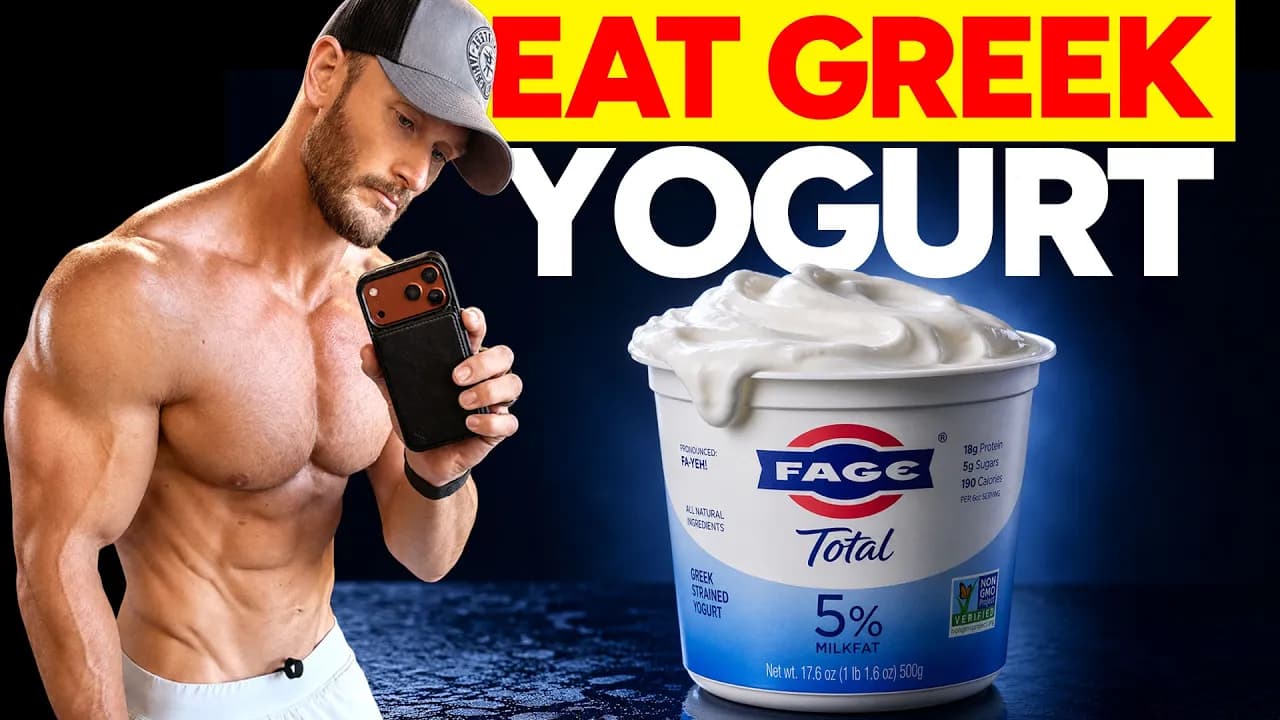
Watch the full analysis
The 2-Day Meal Plan That Got Someone to 9% Body Fat
The bottom line
Together, these findings reveal a powerful theme: the body responds not just to what we give it, but to how we give it. Whether through ritualized placebo care, targeted hearing interventions, or structured resistance training, context, consistency, and personalization drive results more than brute force. Fitness and nutrition aren’t just about calories and reps—they’re about biology, psychology, and precision.
Topics
Sources & References
The 2-Day Meal Plan That Got Someone to 9% Body Fat
**No 2-day meal plan can safely or sustainably achieve 9% body fat without extreme, unhealthy measures.**
Tinnitus-Specific Hearing Aids Outperform Standard Models
**Hearing aids adjusted to individual tinnitus pitch significantly reduce symptoms compared to standard amplification.**
Resistance Training Saves Muscle in Obese Heart Failure Patients
**Adding resistance training to weight loss protocols prevents muscle loss and significantly improves strength in obese heart failure patients.**
Placebos Work Even When You Know They’re Placebos
**Open-label placebos can reduce symptom-driven medication use by over half in young patients, without deception or side effects.**
Placebo Beliefs Don’t Predict Response—Even in Kids
**Expectations about placebo effectiveness do not predict individual response, revealing unconscious mechanisms drive the effect.**