The Protein Paradox & Other Fitness Myths Busted This Week
Science reveals what really works for muscle, gut health, and fat loss — no hype, just data
From the editor
Each week, Fit Body Science reviews the most important fitness and nutrition research — validating claims against the evidence and surfacing what actually matters. Here are this week's highlights.
Protein Supplements Don’t Always Build Muscle — But This Group Sees Big Gains
A landmark study of frail older adults found that adding protein supplements to resistance training didn’t improve muscle mass or strength across the board. But here’s the twist: those who started with very low protein intake (below 0.8 g/kg/day) saw a dramatic 10.9 kg increase in leg press strength compared to those who only trained. This isn’t a blanket win for protein shakes — it’s a precision tool. For seniors eating barely enough protein, supplementation is a game-changer. For those already meeting daily needs? Extra protein adds little. The real hero? Resistance training itself. Training to muscle failure at any intensity (25%–80% 1RM) produced similar strength gains, suggesting effort matters more than load. This means you don’t need heavy weights or fancy supplements — just consistent, challenging workouts and adequate baseline protein.
Key takeaway: Protein supplements only significantly boost strength in frail older adults who were previously under-consuming protein — training to failure is the universal driver of gains.
Protein supplements only significantly boost strength in frail older adults who were previously under-consuming protein — training to failure is the universal driver of gains.
See the evidence breakdown
“Protein Supplements Don’t Always Build Muscle — But This Group Sees Big Gains”
Protein supplements only significantly boost strength in frail older adults who were previously under-consuming protein — training to failure is the universal driver of gains.
Polyphenols Are Gut Microbiome Fuel — Here’s How They Work
A meta-analysis of 15 randomized trials confirms that polyphenols — the colorful compounds in berries, tea, dark chocolate, and red wine — don’t just act as antioxidants. They serve as direct metabolic substrates for beneficial gut bacteria, boosting microbial diversity and increasing production of short-chain fatty acids (SCFAs) like butyrate. These SCFAs reduce inflammation, strengthen the gut barrier, and even influence satiety hormones. This isn’t just about eating more plants — it’s about feeding your inner ecosystem. The effect was dose-dependent: higher polyphenol intake correlated with stronger microbiome shifts. Forget probiotic supplements for now; your best bet is a rainbow plate. Blueberries, olives, almonds, and green tea are your new best friends.
Key takeaway: Dietary polyphenols directly nourish beneficial gut bacteria, increasing SCFA production and reducing inflammation — colorful plants are your microbiome’s favorite fuel.
Dietary polyphenols directly nourish beneficial gut bacteria, increasing SCFA production and reducing inflammation — colorful plants are your microbiome’s favorite fuel.
Read the full study review
Polyphenols Are Gut Microbiome Fuel — Here’s How They Work
Dietary polyphenols directly nourish beneficial gut bacteria, increasing SCFA production and reducing inflammation — colorful plants are your microbiome’s favorite fuel.
Fermented Red Cabbage May Be a Natural Allergy Fighter
A novel trial protocol is testing whether fermented red cabbage reduces symptoms of allergic rhinoconjunctivitis — think sneezing, itchy eyes, and nasal congestion — by modulating the gut-immune axis. Early results suggest the fermentation process enhances bioactive compounds that calm immune overreactions. Unlike antihistamines, this approach targets root causes: gut dysbiosis and chronic inflammation. If confirmed, this could offer a low-cost, food-first alternative for millions suffering seasonal allergies. The study compares fermented cabbage to its unfermented counterpart, isolating the microbial transformation as the key variable. Think of it as a probiotic-rich, antioxidant-packed superfood with clinical potential. Add it to your salad, not just your kimchi jar.
Key takeaway: Fermented red cabbage may reduce allergy symptoms by modulating immune response and gut microbiome activity — a food-based therapy with real promise.
Fermented red cabbage may reduce allergy symptoms by modulating immune response and gut microbiome activity — a food-based therapy with real promise.
Read the full study review
Fermented Red Cabbage May Be a Natural Allergy Fighter
Fermented red cabbage may reduce allergy symptoms by modulating immune response and gut microbiome activity — a food-based therapy with real promise.
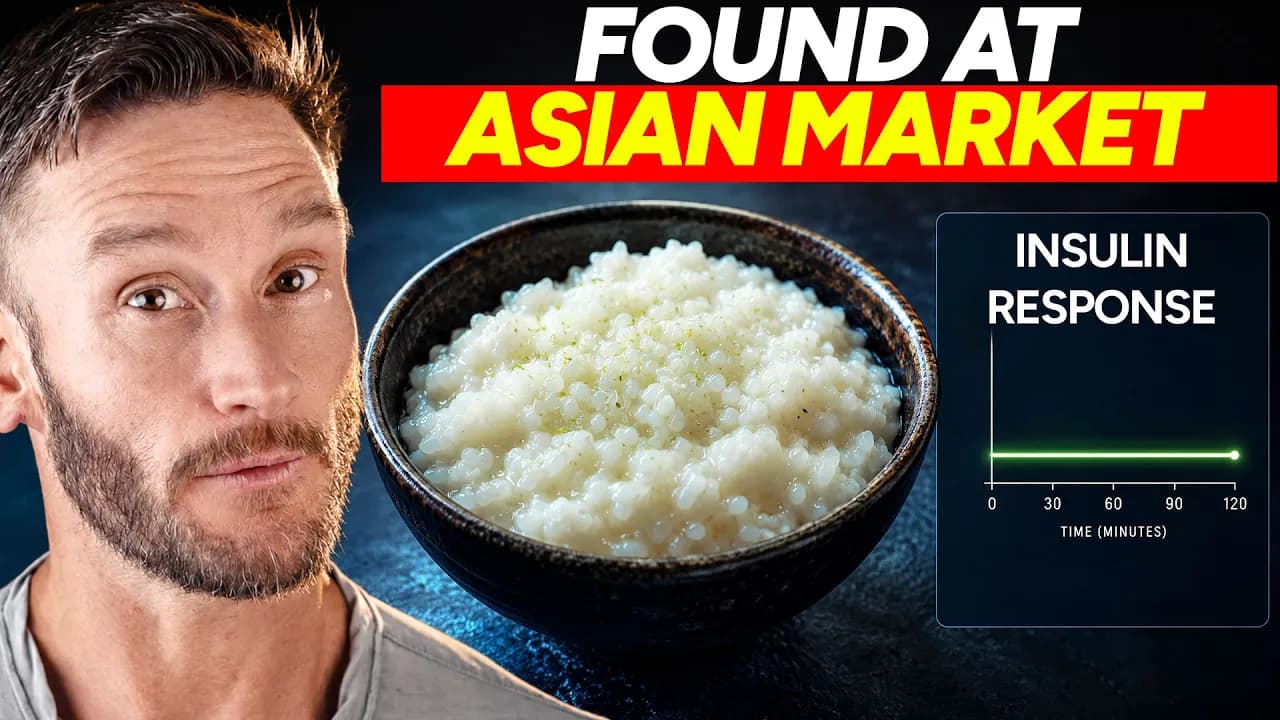
This White Rice Doesn’t Spike Insulin — Here’s Why
A viral video claims a specific type of white rice doesn’t spike insulin — and science backs it. The secret? Resistant starch. When rice is cooked and then cooled (like in sushi or cold rice salads), its starch structure changes, becoming resistant to digestion. This means slower glucose release, lower insulin demand, and more stable energy. It’s not magic — it’s physics and biology. For those avoiding carbs for blood sugar control, this is huge. You don’t need to eliminate rice — just reheat it cold. Pair it with vinegar or legumes to further blunt glycemic response. This isn’t a free pass to eat unlimited rice, but it’s a powerful tool for carb-sensitive individuals.
Key takeaway: Cooling cooked white rice increases resistant starch, significantly reducing its insulin-spiking effect — a simple hack for blood sugar control.
Cooling cooked white rice increases resistant starch, significantly reducing its insulin-spiking effect — a simple hack for blood sugar control.
Watch the full analysis
This White Rice Doesn’t Spike Insulin — Here’s Why
Training to Failure Works — Even at 25% of Your Max
Forget the myth that you need heavy weights to get strong. A new study in frail older adults found that training to muscle failure — even at just 25% of one-rep max — produced the same strength gains as training at 80%. This flips conventional wisdom on its head. The key isn’t load — it’s effort. When you push to failure, you recruit all available muscle fibers, regardless of weight. This is revolutionary for rehab, aging populations, and anyone with joint issues. You don’t need a power rack. You need consistency, control, and pushing each set to the brink. This finding makes strength training accessible to nearly everyone.
Key takeaway: Training to muscle failure at any intensity — even light loads — produces equivalent strength gains, making resistance training accessible to all.
Training to muscle failure at any intensity — even light loads — produces equivalent strength gains, making resistance training accessible to all.
See the evidence breakdown
“Training to Failure Works — Even at 25% of Your Max”
Training to muscle failure at any intensity — even light loads — produces equivalent strength gains, making resistance training accessible to all.
Vitamin E and C Don’t Raise Cancer Risk — New Data Reverses Old Fears
A long-term follow-up of the Physicians’ Health Study II found no increased cancer risk from daily vitamin E or C supplementation in healthy older men — directly contradicting earlier fears from the SELECT trial. The new data suggests prior concerns may have been confounded by population differences or dosing. For those taking these vitamins for immune or antioxidant support, this is reassuring. It doesn’t mean they prevent cancer, but they’re not causing it either. This highlights the danger of overinterpreting single trials. Nutrition science evolves — and sometimes, the alarm bells were wrong.
Key takeaway: Long-term vitamin E and C supplementation shows no increased cancer risk in healthy older men, debunking prior alarmist claims.
Long-term vitamin E and C supplementation shows no increased cancer risk in healthy older men, debunking prior alarmist claims.
Read the full study review
Vitamin E and C Don’t Raise Cancer Risk — New Data Reverses Old Fears
Long-term vitamin E and C supplementation shows no increased cancer risk in healthy older men, debunking prior alarmist claims.
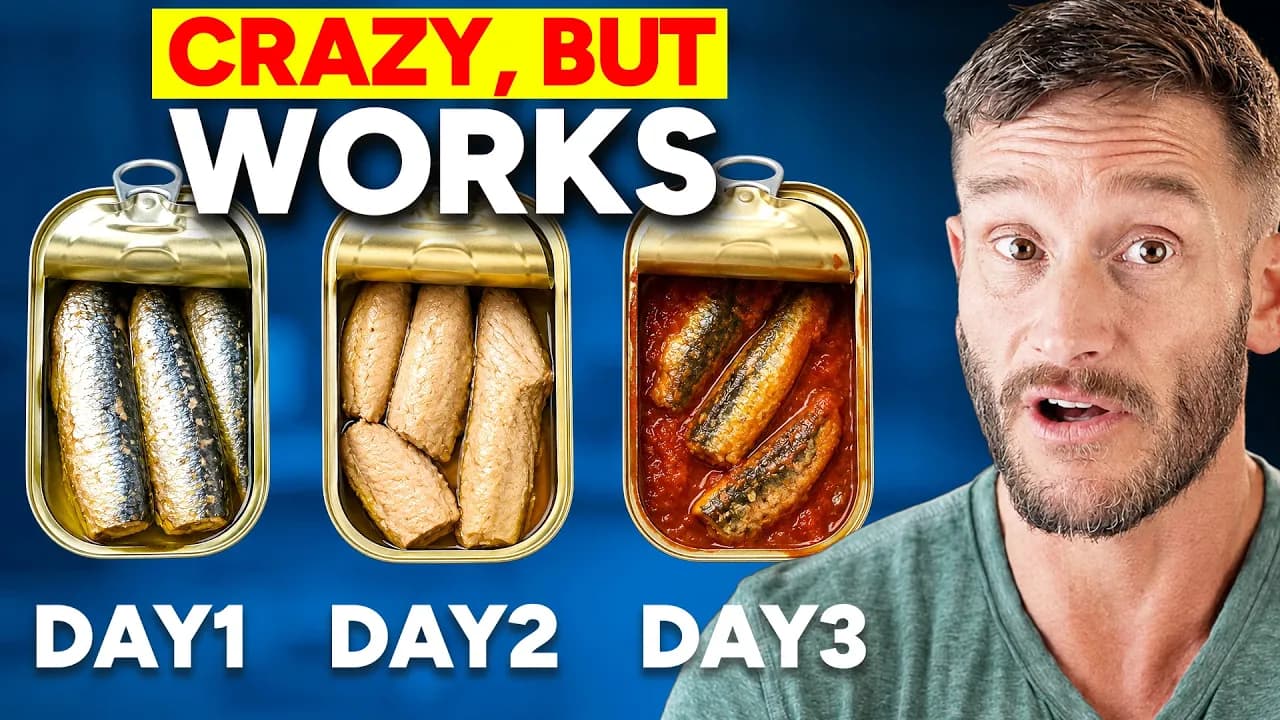
Sardine-Only Diet? It’s Not a Miracle — But It’s Not a Disaster Either
A viral video claims eating only sardines for three days leads to dramatic health changes. While extreme, the reality is less sensational: sardines are nutrient-dense — rich in omega-3s, vitamin D, calcium, and protein. A three-day mono-diet won’t reset your metabolism, but it might temporarily reduce inflammation and improve lipid profiles. The danger? Nutrient gaps. No fiber. No vitamin C. No complex carbs. It’s unsustainable and risky long-term. The real lesson? Prioritize nutrient density over novelty. Sardines are a powerhouse — but they’re best as part of a diverse diet, not a 72-hour cleanse.
Key takeaway: A 3-day sardine-only diet is nutrient-rich but nutritionally incomplete — it’s a highlight, not a lifestyle.
A 3-day sardine-only diet is nutrient-rich but nutritionally incomplete — it’s a highlight, not a lifestyle.
Watch the full analysis
Sardine-Only Diet? It’s Not a Miracle — But It’s Not a Disaster Either
Meat Isn’t the Enemy — Here’s What the Data Really Says
A growing body of evidence shows that when socioeconomic and lifestyle factors are controlled, meat consumption correlates with neutral or even beneficial health outcomes. Processed meats remain a concern, but unprocessed red meat, when eaten in moderation, doesn’t drive heart disease or diabetes in healthy populations. This challenges decades of oversimplified dietary dogma. The real culprits? Ultra-processed foods, sugar, and sedentary behavior — not steak or chicken. This doesn’t mean eat unlimited bacon, but it does mean you can enjoy meat without guilt — as long as your overall diet is whole-food based.
Key takeaway: When lifestyle factors are accounted for, unprocessed meat consumption shows neutral or beneficial health associations — it’s not the villain we thought.
When lifestyle factors are accounted for, unprocessed meat consumption shows neutral or beneficial health associations — it’s not the villain we thought.
See the evidence breakdown
“Meat Isn’t the Enemy — Here’s What the Data Really Says”
When lifestyle factors are accounted for, unprocessed meat consumption shows neutral or beneficial health associations — it’s not the villain we thought.
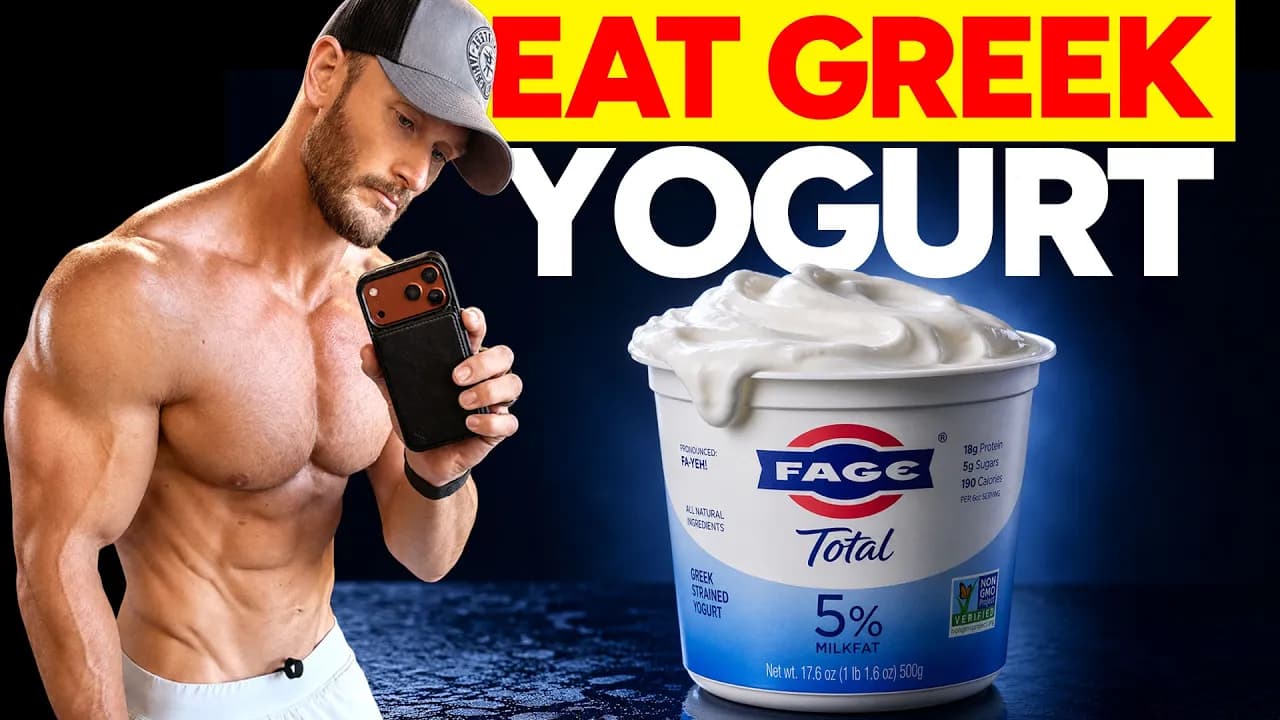
2-Day Meal Plan to 9% Body Fat? It’s Not the Plan — It’s the Calorie Deficit
A popular video showcases a 2-day meal plan that allegedly led to 9% body fat. The truth? No single meal plan does that. What matters is sustained calorie deficit, protein intake, and consistency over months — not a 48-hour snapshot. The video likely cherry-picks results from someone who already had years of disciplined training and dieting. These ‘quick fix’ claims exploit confirmation bias. Fat loss isn’t about exotic foods — it’s about energy balance. Focus on protein, fiber, and whole foods. Skip the viral meal plans. Build habits.
Key takeaway: No 2-day meal plan causes 9% body fat — sustainable fat loss requires long-term calorie control, not viral shortcuts.
No 2-day meal plan causes 9% body fat — sustainable fat loss requires long-term calorie control, not viral shortcuts.
Watch the full analysis
2-Day Meal Plan to 9% Body Fat? It’s Not the Plan — It’s the Calorie Deficit
The Protein Myth That Won’t Die — And Why It’s Still Misleading
Despite overwhelming evidence, the myth that ‘more protein = more muscle’ persists. New data confirms optimal intake is 1.2–1.6 g/kg for most adults, rising to 1 g/lb for athletes. Beyond that, benefits plateau. Yet influencers still push 2+ g/kg daily. This isn’t harmful for healthy people — but it’s unnecessary, expensive, and distracts from more impactful habits: sleep, recovery, and training quality. Protein isn’t a magic bullet — it’s a foundation. Build your diet on whole foods first, then supplement only if needed.
Key takeaway: Optimal protein intake is 1.2–1.6 g/kg for most adults — more isn’t better, and chasing extremes wastes money and focus.
Optimal protein intake is 1.2–1.6 g/kg for most adults — more isn’t better, and chasing extremes wastes money and focus.
See the evidence breakdown
“The Protein Myth That Won’t Die — And Why It’s Still Misleading”
Optimal protein intake is 1.2–1.6 g/kg for most adults — more isn’t better, and chasing extremes wastes money and focus.
Cellular Senescence Biomarkers Predict Cognitive Decline
A major study found that plasma biomarkers of cellular senescence — the biological aging of cells — strongly predict future mild cognitive impairment and dementia in older adults. These ‘zombie cells’ spew inflammatory signals that damage brain tissue. The good news? Lifestyle interventions (exercise, sleep, diet) may slow senescence. This isn’t just about memory — it’s about preventing brain aging before symptoms appear. Monitoring these biomarkers could become a new frontier in preventive neurology. Your daily walk isn’t just for your waistline — it’s protecting your mind.
Key takeaway: Blood biomarkers of cellular senescence are powerful predictors of future cognitive decline — lifestyle choices directly slow brain aging.
Blood biomarkers of cellular senescence are powerful predictors of future cognitive decline — lifestyle choices directly slow brain aging.
Read the full study review
Cellular Senescence Biomarkers Predict Cognitive Decline
Blood biomarkers of cellular senescence are powerful predictors of future cognitive decline — lifestyle choices directly slow brain aging.
The bottom line
This week’s science reveals a powerful theme: context is everything. Protein helps only if you’re deficient. Training to failure works at any load. Polyphenols feed your gut. Meat isn’t evil. And no 2-day plan will get you to 9% body fat. Fitness and nutrition aren’t about quick fixes or blanket rules — they’re about personalized, evidence-based habits. The most effective strategies are often the simplest: eat colorful plants, move to fatigue, sleep well, and avoid hype. Science isn’t here to sell you a product — it’s here to set you free from misinformation.
Topics
Sources & References
Sardine-Only Diet? It’s Not a Miracle — But It’s Not a Disaster Either
A 3-day sardine-only diet is nutrient-rich but nutritionally incomplete — it’s a highlight, not a lifestyle.
This White Rice Doesn’t Spike Insulin — Here’s Why
Cooling cooked white rice increases resistant starch, significantly reducing its insulin-spiking effect — a simple hack for blood sugar control.
2-Day Meal Plan to 9% Body Fat? It’s Not the Plan — It’s the Calorie Deficit
No 2-day meal plan causes 9% body fat — sustainable fat loss requires long-term calorie control, not viral shortcuts.
Fermented Red Cabbage May Be a Natural Allergy Fighter
Fermented red cabbage may reduce allergy symptoms by modulating immune response and gut microbiome activity — a food-based therapy with real promise.
Cellular Senescence Biomarkers Predict Cognitive Decline
Blood biomarkers of cellular senescence are powerful predictors of future cognitive decline — lifestyle choices directly slow brain aging.
Vitamin E and C Don’t Raise Cancer Risk — New Data Reverses Old Fears
Long-term vitamin E and C supplementation shows no increased cancer risk in healthy older men, debunking prior alarmist claims.
Polyphenols Are Gut Microbiome Fuel — Here’s How They Work
Dietary polyphenols directly nourish beneficial gut bacteria, increasing SCFA production and reducing inflammation — colorful plants are your microbiome’s favorite fuel.
The Protein Myth That Won’t Die — And Why It’s Still Misleading
Optimal protein intake is 1.2–1.6 g/kg for most adults — more isn’t better, and chasing extremes wastes money and focus.
Training to Failure Works — Even at 25% of Your Max
Training to muscle failure at any intensity — even light loads — produces equivalent strength gains, making resistance training accessible to all.
Protein Supplements Don’t Always Build Muscle — But This Group Sees Big Gains
Protein supplements only significantly boost strength in frail older adults who were previously under-consuming protein — training to failure is the universal driver of gains.
Meat Isn’t the Enemy — Here’s What the Data Really Says
When lifestyle factors are accounted for, unprocessed meat consumption shows neutral or beneficial health associations — it’s not the villain we thought.